April 9, 2017

When ranking national healthcare, organizations use statistics that can be misleading because they are based on averages that include irrelevant data.
When ranking national healthcare, organizations use statistics that can be misleading because they are based on averages that include irrelevant data.
The introduction of just one small MetroCard transformed NYC by lowering the transaction costs for traveling to work and friends in different boroughs.
Deciding whether Snuggies is a blanket or a pullover garment is about more than a name. The outcome decided the protective tariff it would owe.
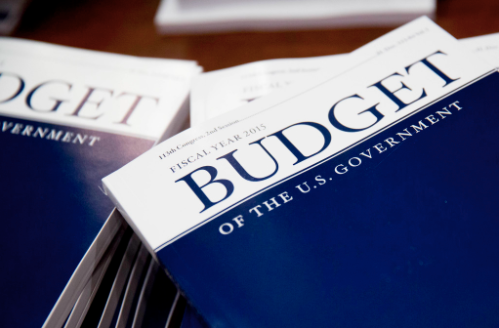
Judging the Trump blueprint for the federal budget, we need to figure out how to compare trillion dollar totals to billion dollar proposals.
Like Uber and Airbnb, the growing popularity of Eat With Stranger Apps (EWSAs) is creating sharing economy dilemmas that relate to regulation.
More than a number, the cost of living in the world's most expensive cities is about bread and wine and who can afford to stay.
To see what how much we work and sleep and play, and what the GDP does not tell us, we can use the American Time Use Survey.
We cannot avoid unintended consequences from healthcare legislation because healthcare spending has no "one-size-fits-all" solution.
A missing Oxford comma became rather expensive when an appellate court used it to interpret Maine's overtime labor law in favor of a dairy's drivers.
Because unauthorized immigrants pay billions of dollars in payroll taxes, they are one solution to the Social Security solvency problem.
When the tiny box is robin egg blue or the delivery truck is brown, those color trademarks convey an identity that makes color more meaningful.
Including how much we spend on the tooth fairy, the cost of raising a child can simply be one total or it can involve different specific expenditures.