February 11, 2018

Looking at New York City real estate prices and the dogs that households own, we can see a correlation and a quirky economic indicator.
Looking at New York City real estate prices and the dogs that households own, we can see a correlation and a quirky economic indicator.
Whether looking at 1637 or 2000, markets and financial bubbles always seem to find each other. As a surge in demand pushes prices up, the result resembles a bubble because it is full of air rather than value.
Whereas food inequality had been correlated to lack of availability and high prices, new research shows other reasons low income households eat more unhealthy food than those with more money.
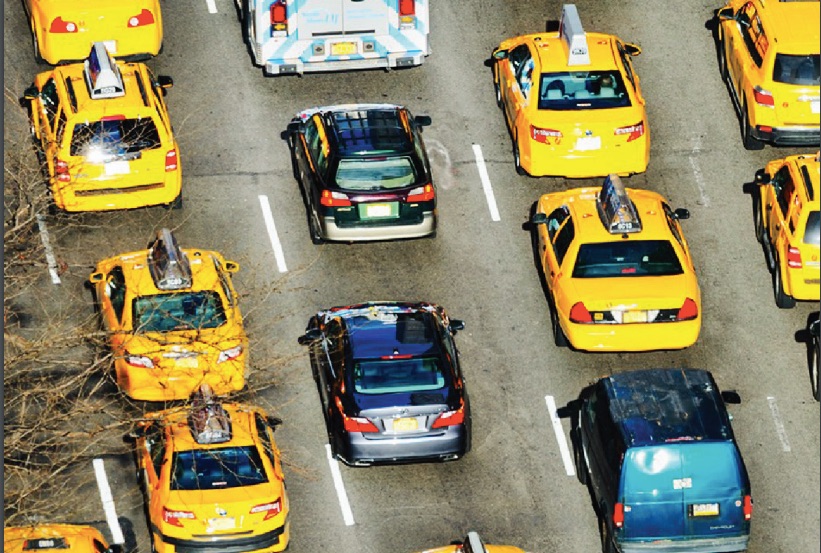
With other cities like London having successfully implemented a traffic congestion pricing plan, NYC has begun to figure out a proposal.
Whether looking at the height of Mount Everest or at the rules of origin that will be renegotiated during the NAFTA talks, we have a statistical accuracy problem.
Confirming that children add to the gender pay gap, the motherhood penalty and the fatherhood bonus each create more of a spread between female and male earnings.
Increasing everyday sustainability, using a revolving building door rather than one that swings would add less to our individual carbon footprint.
Our banana, $450 million painting, and Tesla tax stories were just so interesting that they deserved fascinating follow-ups.
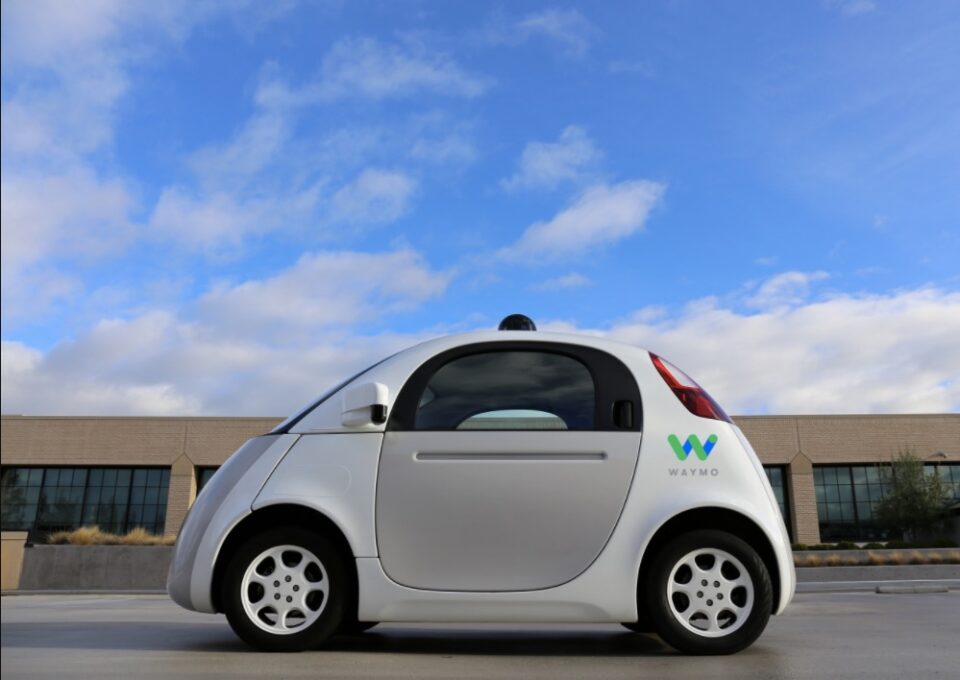
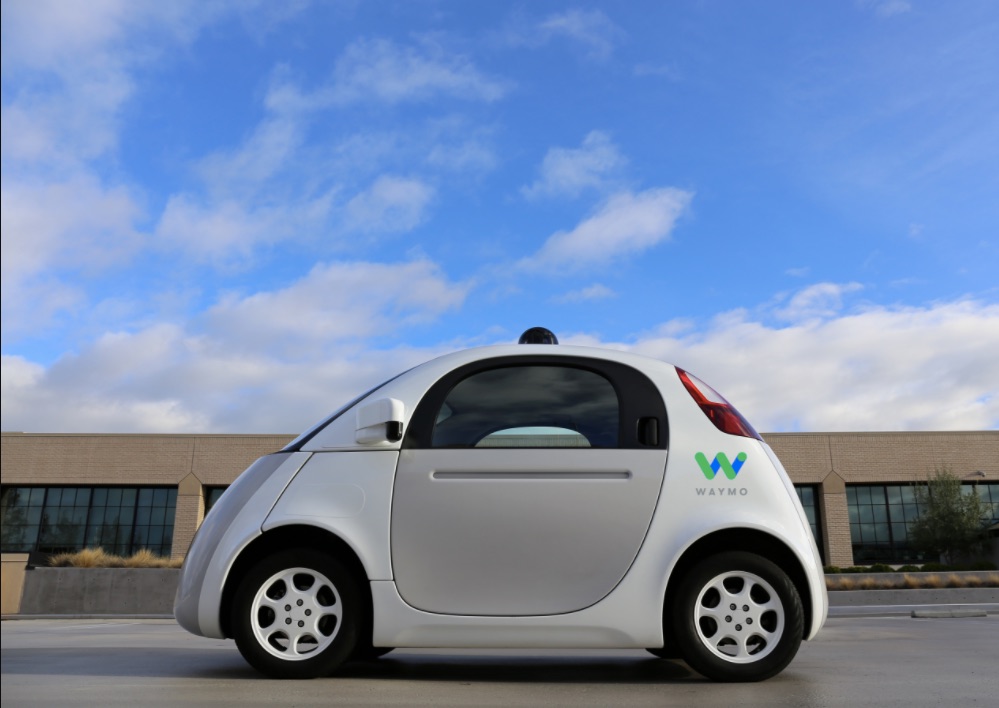
Governments have begun to provide guidelines about the ethical choices that will be necessary when programming driverless cars.
By spending bitcoin, we see the multiple reasons that calling it a cryptocurrency can be misleading because it is not money.
While superstition tells us that babies born during the Year of the Dragon will have more success and power, economists look at human capital investment.