April 1, 2018

Looking at our day-to-day emotions and our life evaluation, recent studies give us some answers about whether money brings happiness.
Looking at our day-to-day emotions and our life evaluation, recent studies give us some answers about whether money brings happiness.
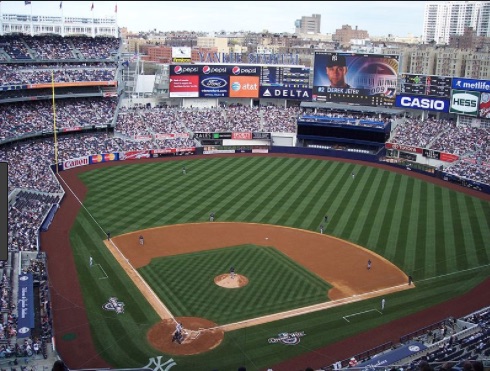
MLB stadium infields might look like dirt but really, firms have competed to prove that their combination of clay, silt and sand is unique.
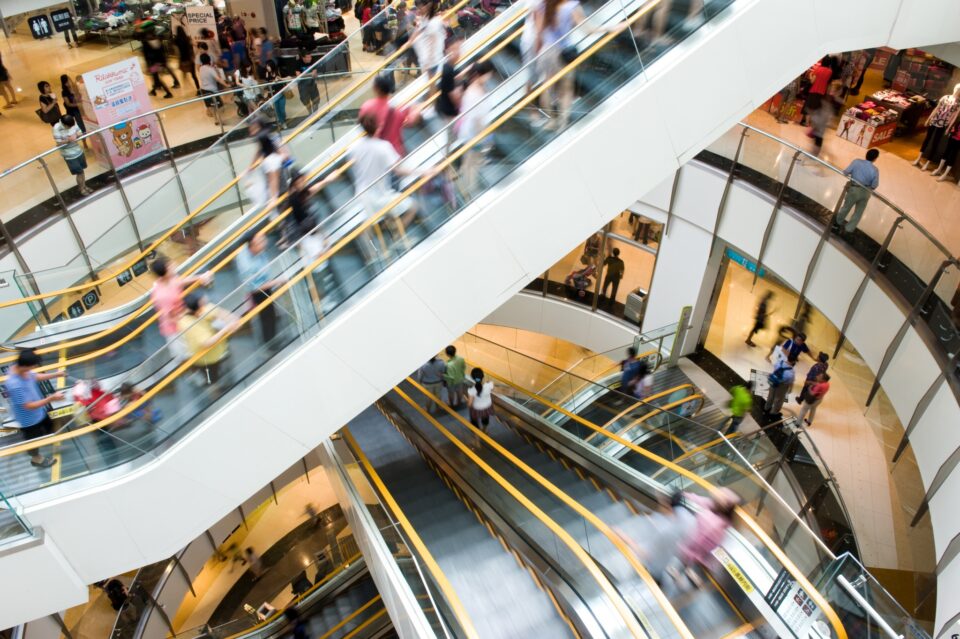
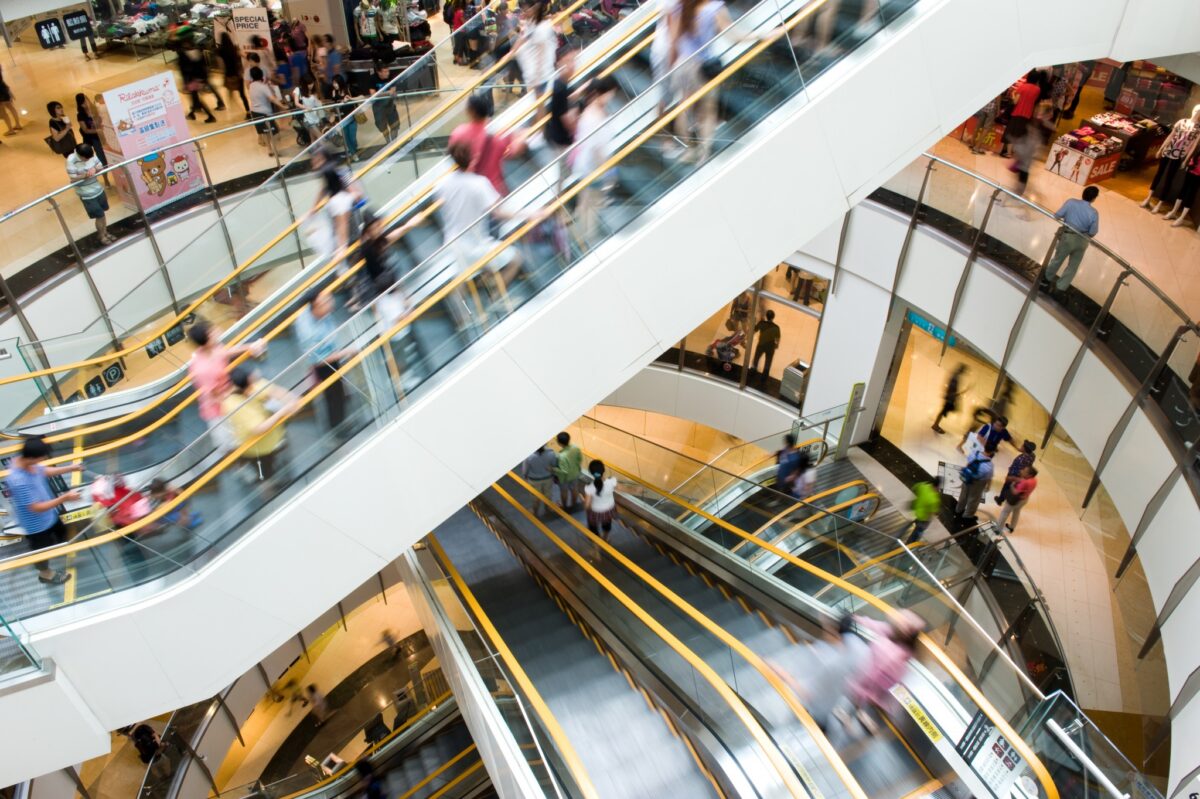
Even with mall traffic declining and stores closing, retail restructuring might lead to a renaissance fueled by creative destruction rather than an apocalypse.
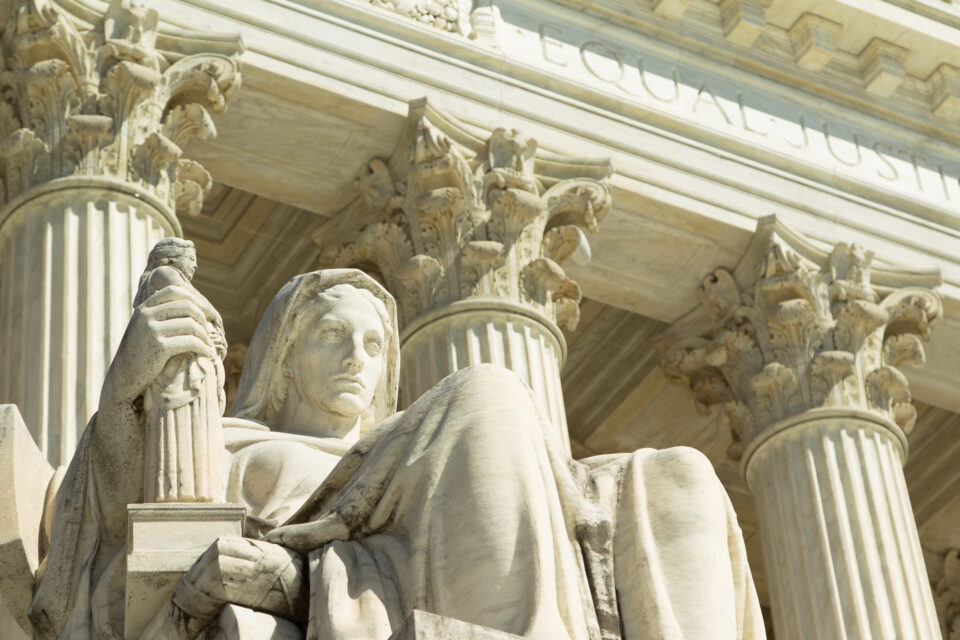
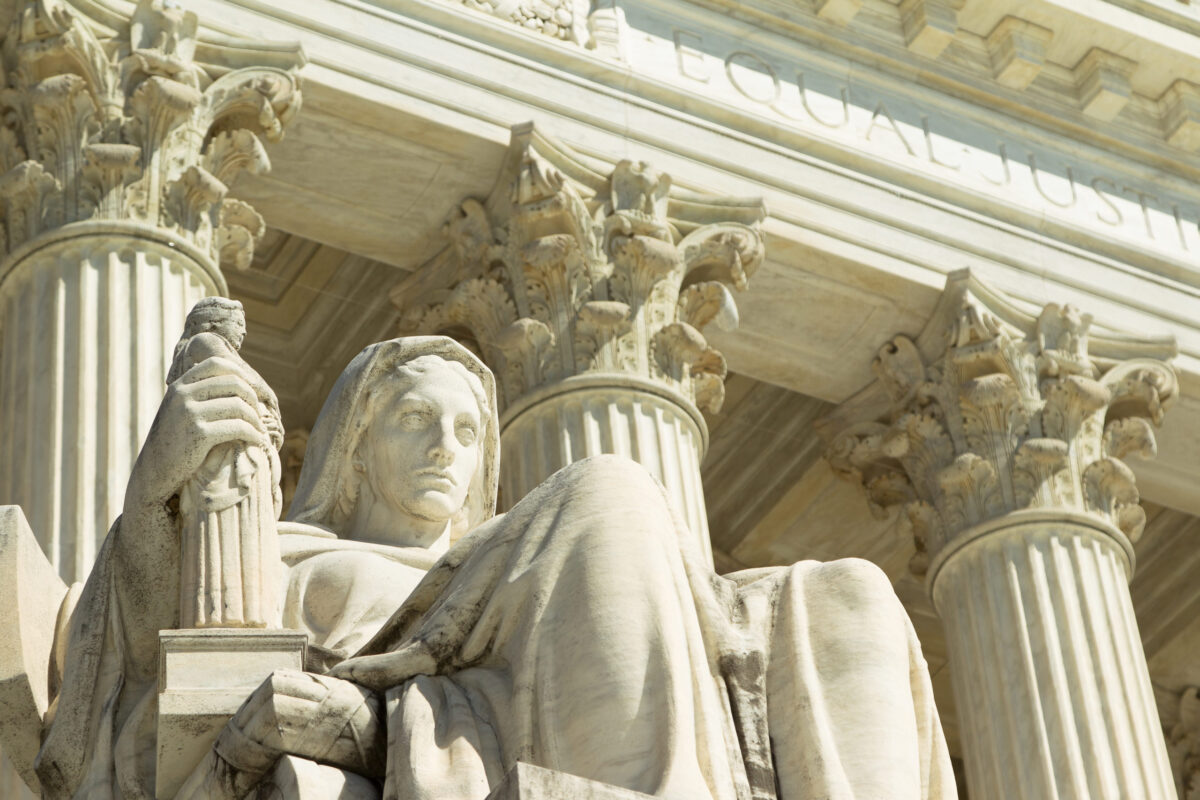
Illustrated by a tooth whitening case at the U.S. Supreme Court and new research from Northwestern, the spread of occupational licensing could need further evaluation.
While businesses will enjoy spending from aging populations, communities are concerned with supporting an older demographic.
With union membership declining, organized labor is worried about a Supreme Court decision on who has to pay an agency/fair share fee.
The Index of Economic Freedom is a handy source of data for judging whether or not a government has a laissez-faire philosophy.
With Plattsburgh, New York's cheap electricity attracting Bitcoin miners, the city has to figure out how to cut their power usage.
While Gander's hospitality on 9/11 is an example of considerable graciousness, it also can be remembered for its economics.
With Daylight Saving Time (DST) having just begun, we might find that shifting sunlight from the morning to the evening has made us safer.
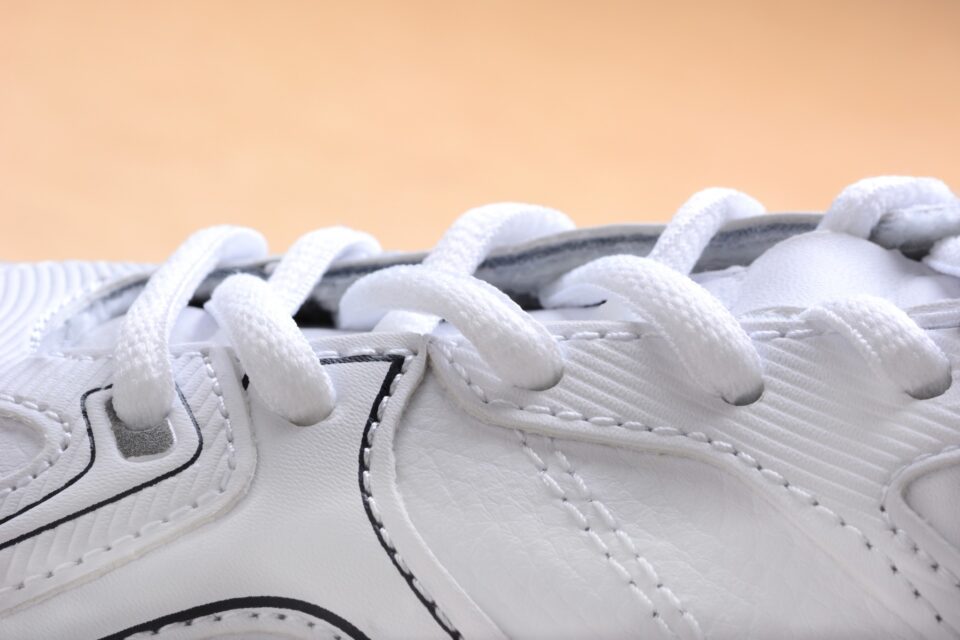
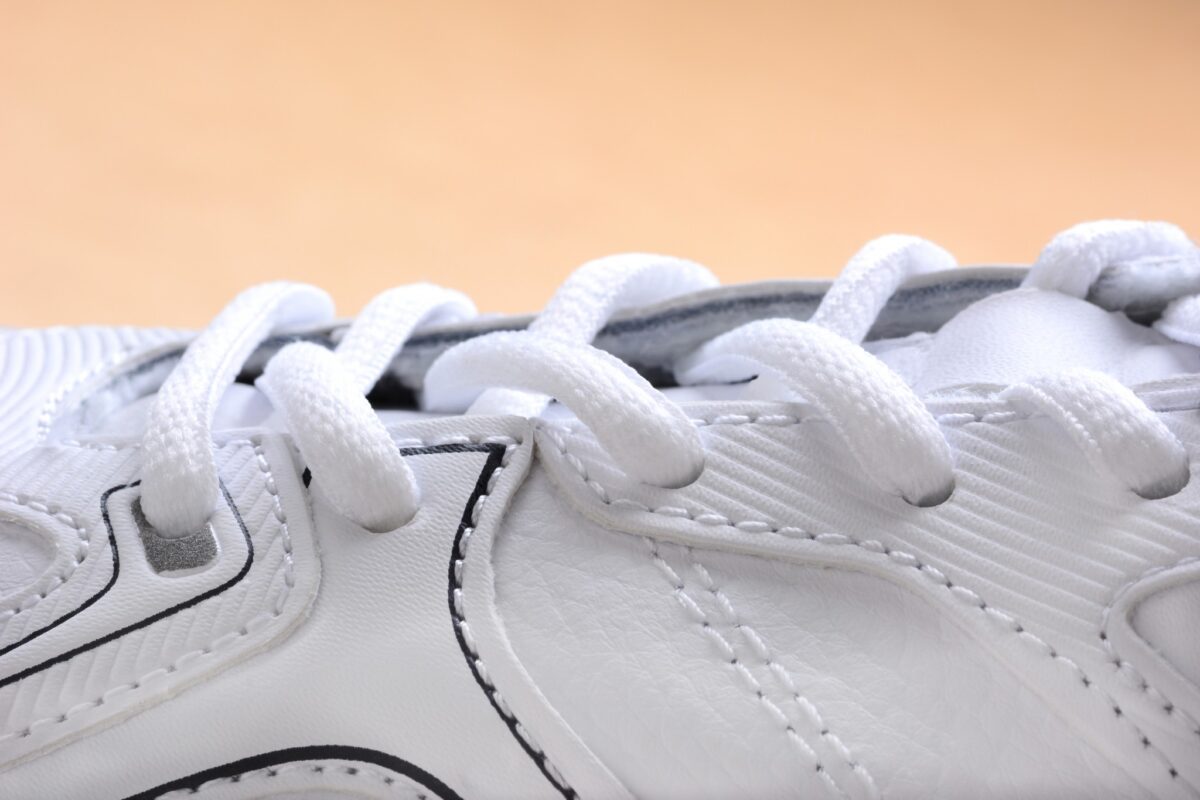
With consumers expecting faster product cycles, Adidas is experimenting with a new supply chain that accelerates sneaker production.
Using a lens that divides us by generations, we can look more closely at Millennial characteristics to see how they differ from other age groups.