September 14, 2020

Affecting workers that range from Santa's elves to Uber drivers, the unintended consequences of California's AB 5 are considerable.
Affecting workers that range from Santa's elves to Uber drivers, the unintended consequences of California's AB 5 are considerable.
On this Labor Day, we can explain the "middle-class time squeeze" by looking at how time/money tradeoffs changed a family's division of labor.
Released during June, the 2020 American Time Use Survey (ATUS) gives us the perfect opportunity to see the impact of working remotely.
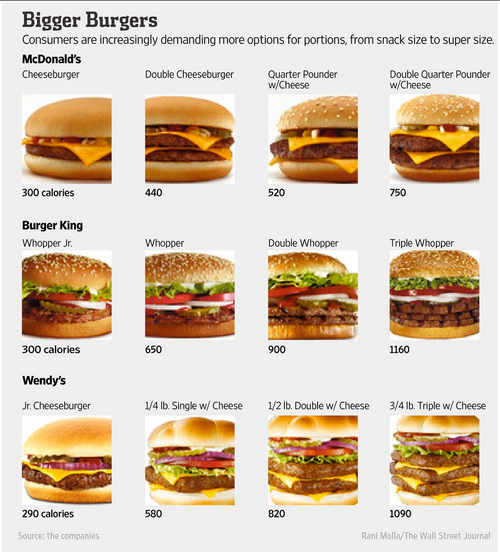
While the purpose of restaurant calorie labels has been to provide diners with more information, it did not work out entirely as expected.
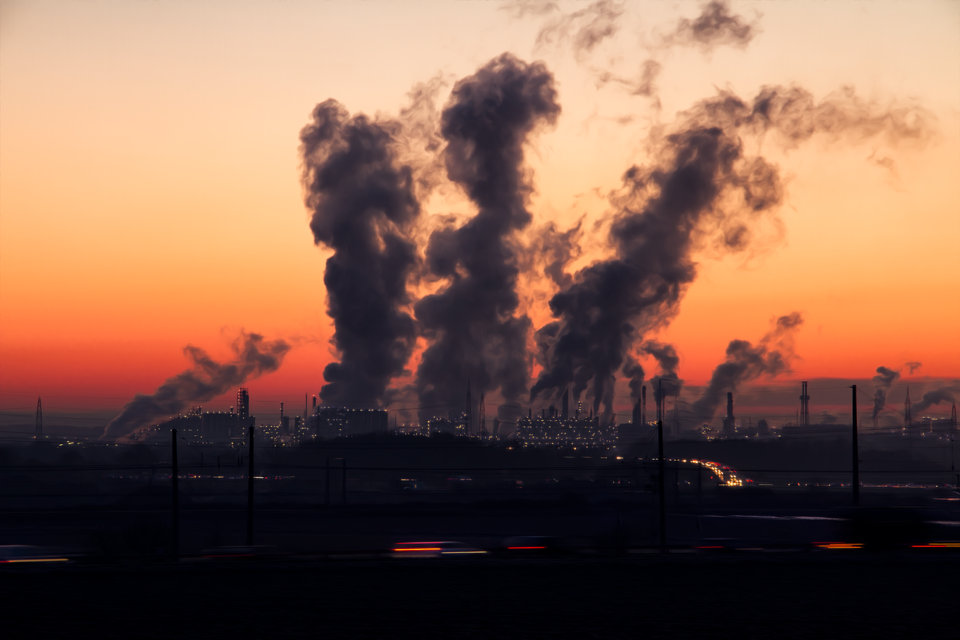
In his new book, climate activist Bjorn Lomborg presents a controversial carbon tax proposal that could remind us of Goldilocks.
Looking at a China trade deal update, we would see how the pandemic transformed China's obligations and the U.S. need for them.
The recycling revenue that municipalities were receiving was shrinking and now, with some mystery surrounding cardboard, it's getting worse.
Seemingly clear, "Made in America" becomes much more complex when we define it and look at its impact on taxpayers, consumers, and workers.
The results of a new study about dominance in homing pigeon groups can be compared to the significance of differences in human height.
Observing the lockdowns' economic impact, two University of Chicago economists compared consumer traffic in places that did and did not shelter in place.
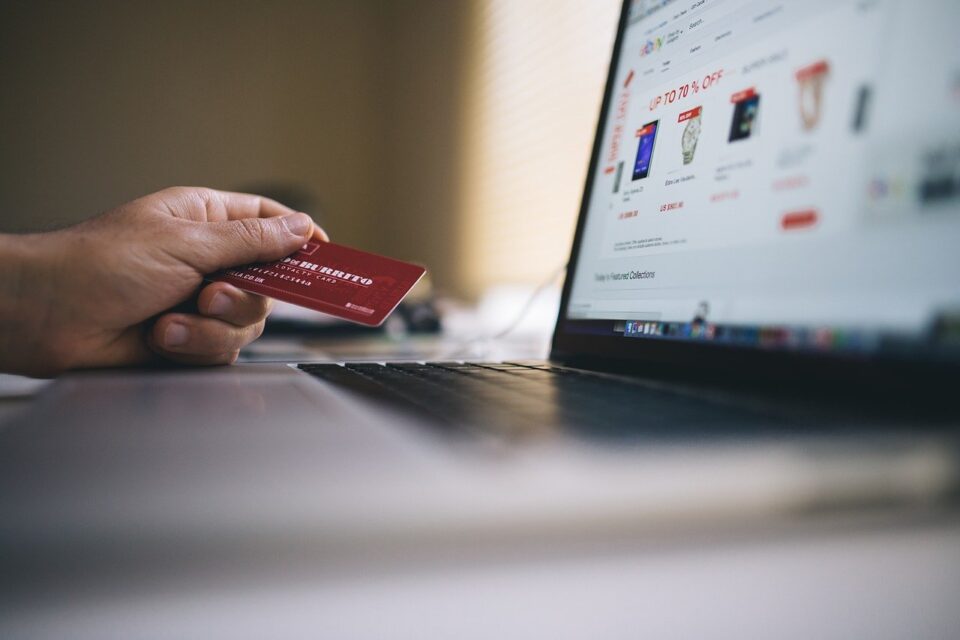
Looking at 18 countries, we would see that the interplay of health and wealth during the coronavirus pandemic has affected consumer behavior.