March 22, 2026
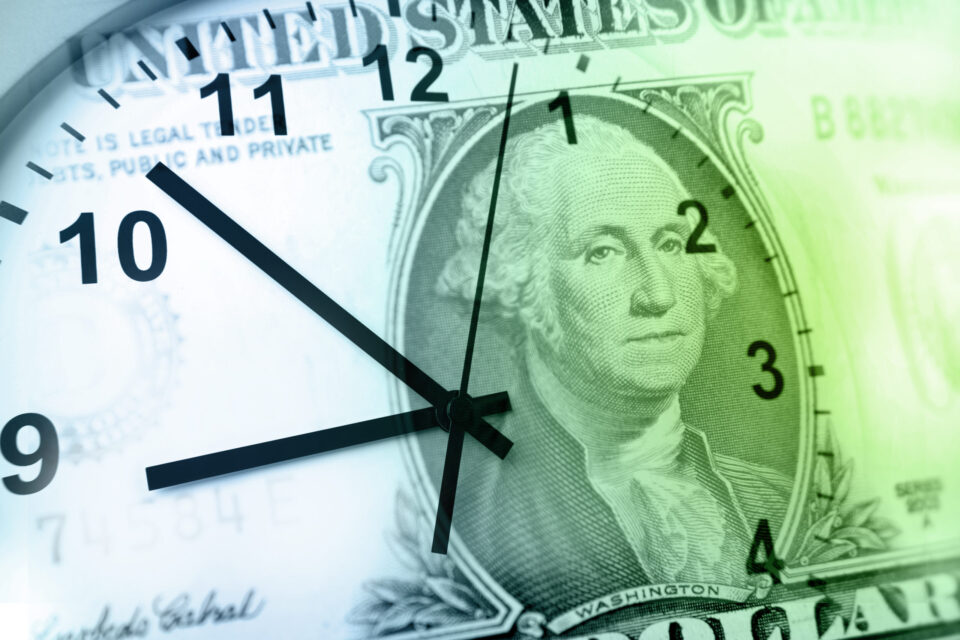
Looking at working hours historically and now, we see what differentiates how much time we spend on the job.
Looking at working hours historically and now, we see what differentiates how much time we spend on the job.
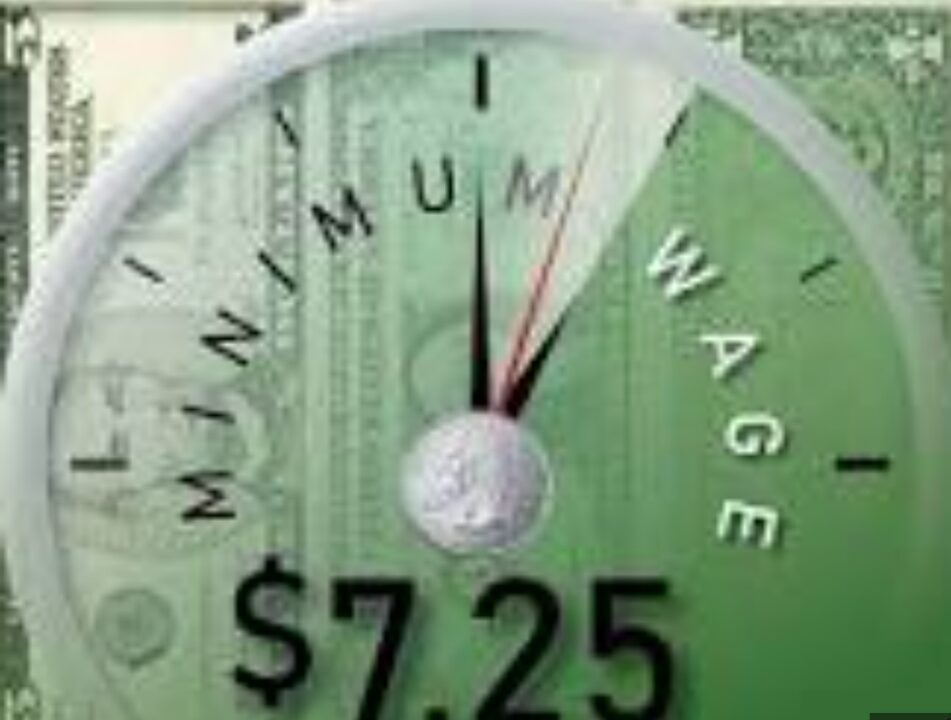
A a recent study reported employers' decisions when they had the choice between a higher minimum wage or labor-replacing capital.
Accordng Baumol's Cost Disease, the reason we pay more to our babysitters is not because they are doing a better job.
Whether looking at the U.S. Supreme Court or the NY Fed, we can see the disproportionate impact of Trump tariffs on small U.S. businesses.
A low unemployment rate hides worker and employer incentives that encourage low hire; low fire negative externalities.
Similar to the World Cup and other major sports events, next day Super Bowl absentees from work represent a hefty percent of the labor force.
Recent legislative changes have affected our food stamp program called SNAP and also the definition of candy.
More than raises that elevate unemployment, the responses to minimum wage hikes include a slew of possibilities that increase the tradeoffs.
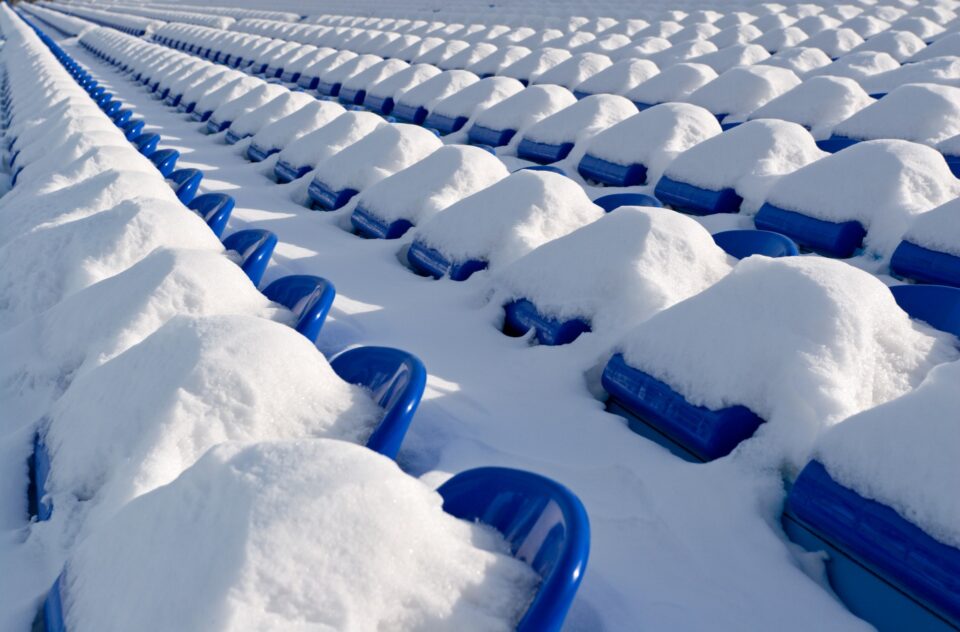
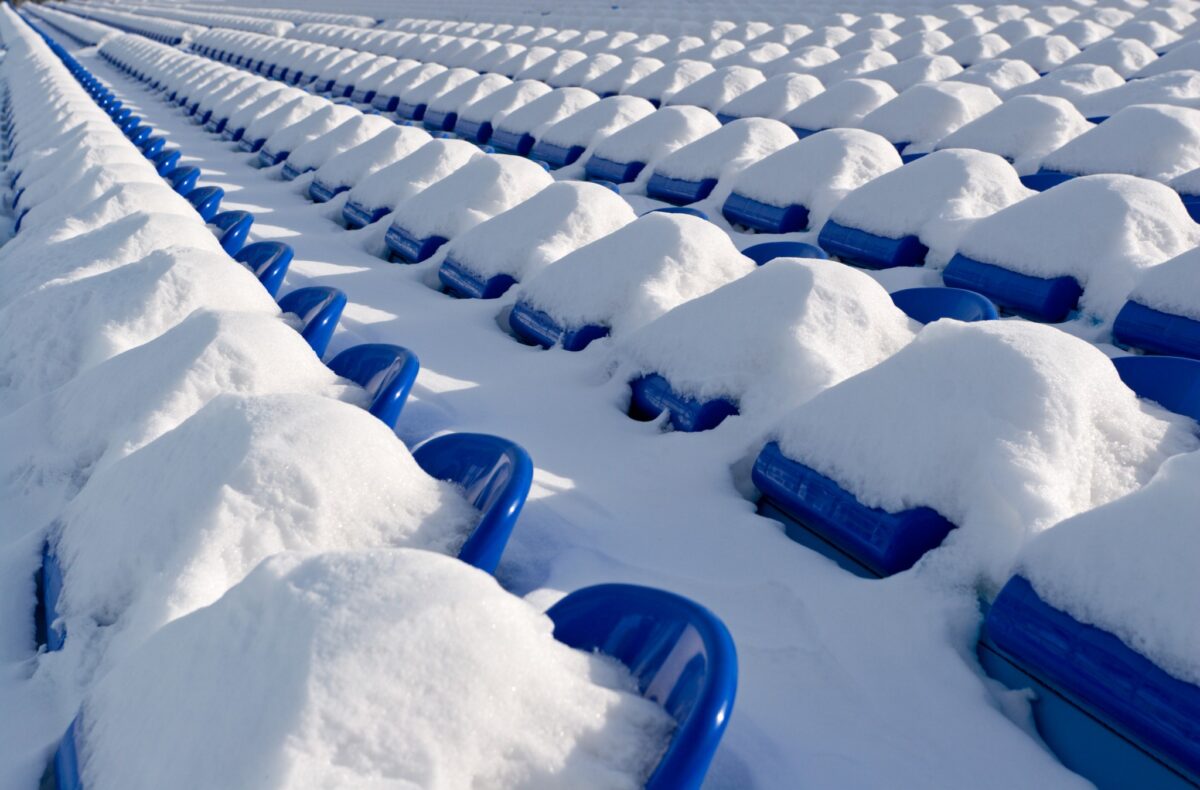
Ranging from DoorDash cancellations to salt spreaders, the cost of a record breaking snowstorm is considerable.
Touching us geographically, personally, and economically, the spending we allocate to our cats has increased considerably.
With demand increasing for the jobs no one wants, we can ask about the downside of rosy economic statistics.
When we compare a hypothgetical estimate of Santa's wages to BLS data for U.S. workers, we find the 2025 increase is similar.