November 24, 2021

A basic part of Broadway economics is the "cost disease" that plays "catch" from higher wage industries that benefit from more productivity.
A basic part of Broadway economics is the "cost disease" that plays "catch" from higher wage industries that benefit from more productivity.
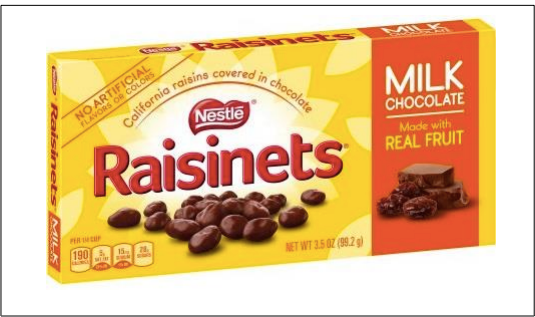
Consumers have been filing multi-million dollar class action suits for the slack fill that makes candy and chip packaging misleading.
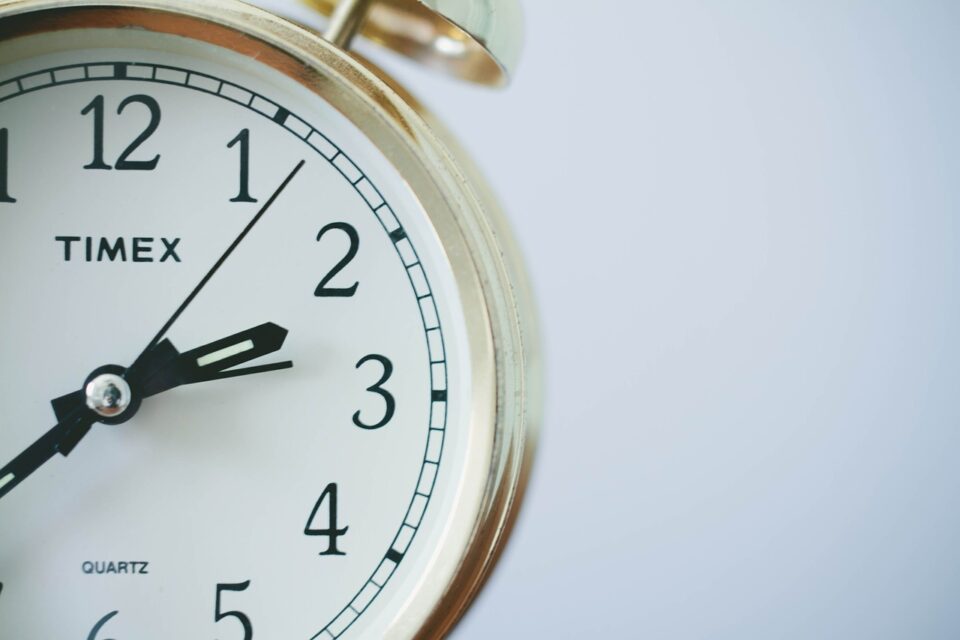
Ranging from Amtrak train schedules to our health, changing to Standard Time and then back to Daylight Saving create a slew of consequences.
In Europe and the U.S., pandemic labor shortages have nudged vineyards towards grape picking robots and pruners.
A disputed island and the surrounding Grey Zone add up to a lobster war with conflicting lobster regulation between the U.S. and Canada.
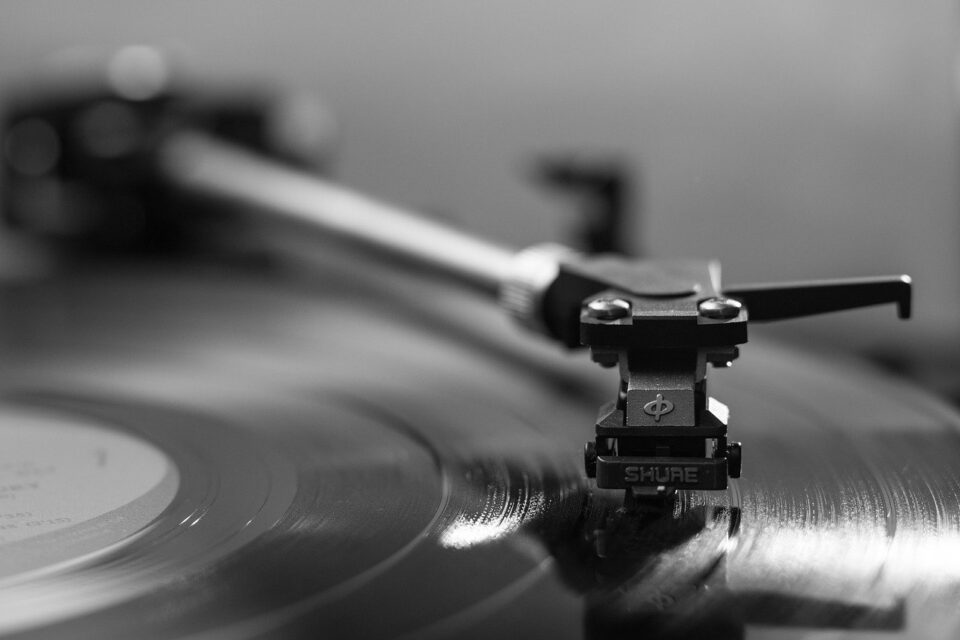
Using securitization as an upfront payment to musicians for future royalties, Bowie Bonds were a Wall Street innovation.
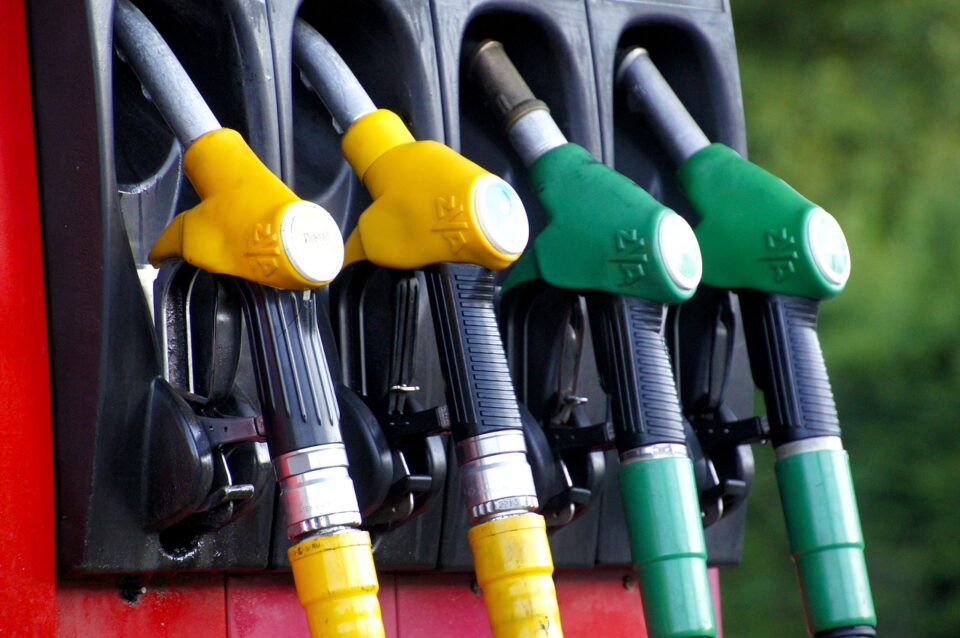
Because our spending on gasoline is somewhat constant, gas price fluctuations can have a massive impact on what we spend elsewhere.
Also called the Great Resignation, for a slew of reasons, labor turnover increased as the pandemic started to subside.
Whether looking at Germany's minimum wage hike or David Card's classic 1992 study, still raising the minimum wage can be controversial.
Although 136 countries have agreed to update the corporate tax system, a 15 percent maximum rate is not as simple as it sounds.
With flooding becoming more frequent, national policy makers need to decide if flood insurance should be more affordable or avoidable.
Now and in the past, life expectancy is about much more than living longer when we look at consumer spending and government responsibility.