September 26, 2019
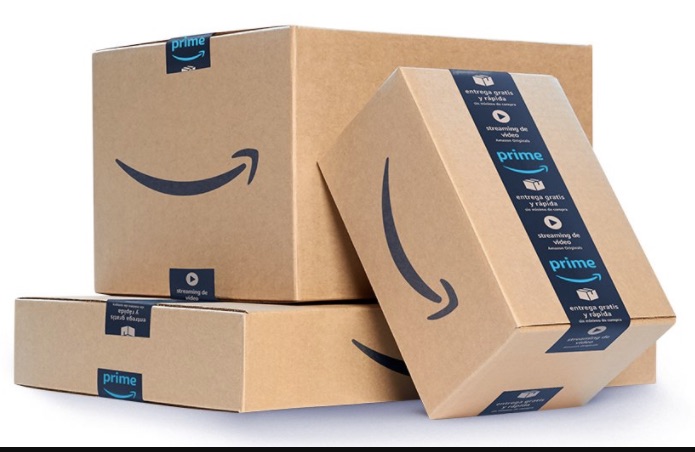
#TBT: Looking back to the creation of Amazon Prime, we see we've come a long way from what we used to expect when we ordered online.
#TBT: Looking back to the creation of Amazon Prime, we see we've come a long way from what we used to expect when we ordered online.
We might find some surprises when we look closely at categories of consumer debt that include credit cards, student and auto loans, and mortgages.
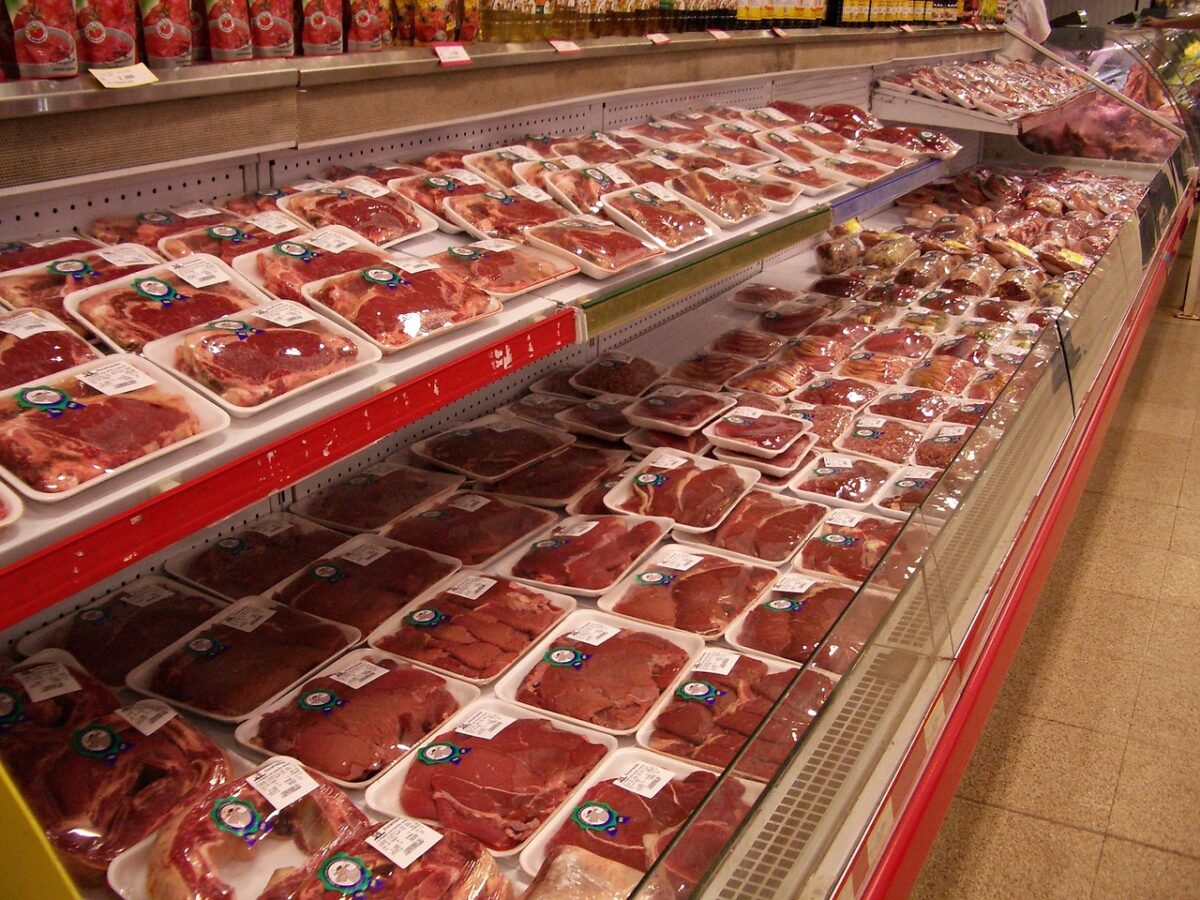
Finding out what we eat, what we waste, and what we spend on our food can depend on the decade we look at and when we were born.
Trying to understand the workers who are leaving a shrinking middle class, we can look in a surprising place and at their debt.
While the average life in the United States has 42 million minutes, the cost of spending time can depend on our wealth, where we live, and our age.
Rather than identifying pockets of poverty, recent income mobility research suggests policy makers focus on opportunity areas.
When we compare pizza competition on an island to everywhere else, we wind up with some of what we expect but not entirely.
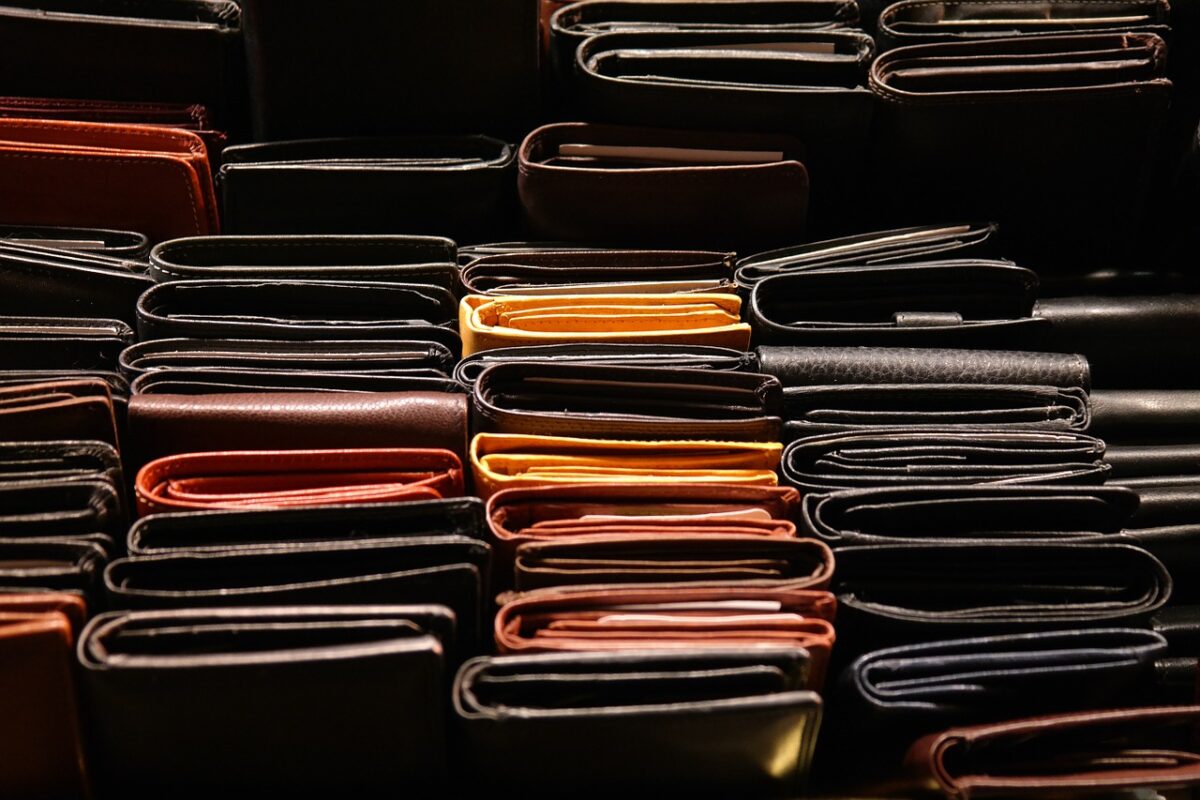
Looking at honor systems in stores and for lost wallets, we can see how people respond and where to find the most honesty.
Working mothers have changed the amount of time they spend on the job, and also on household chores, caring for children, sleeping, and leisure.
The six facts that illustrate our global energy consumption take us to the countries, the growth rates, and the types of energy..
#TBT: Through the amazingly similar prefabricated houses that they both have sold, we can see why Amazon has been called the new Sears, Roebuck.
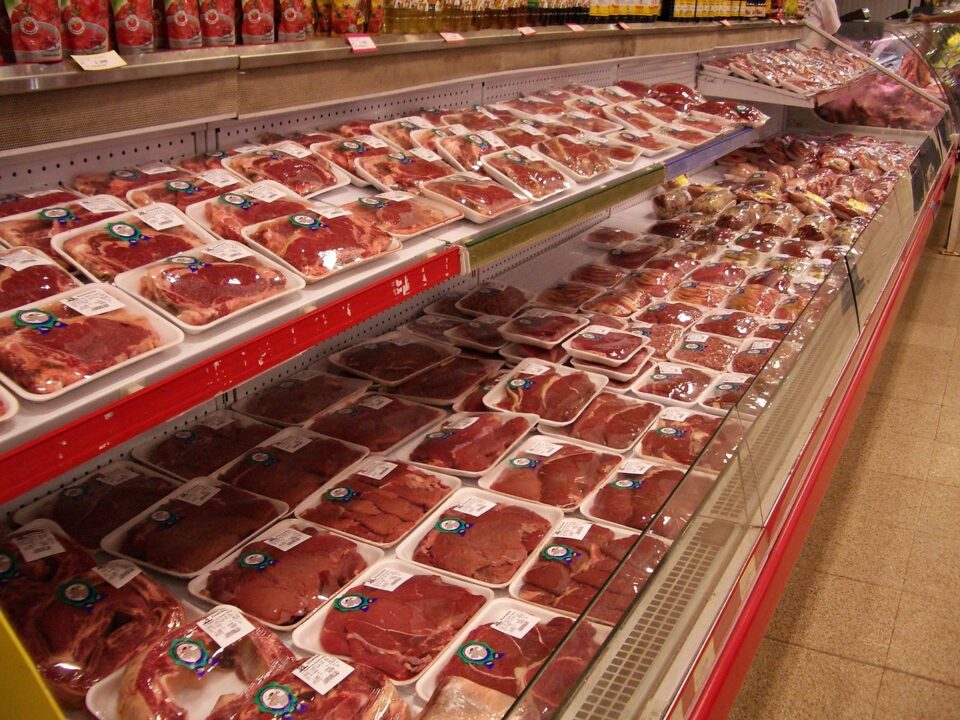
More than a place to buy food, the grocery store says a lot more about the affluence from our GDP and our subjective well-being.