July 11, 2022
When assessing the economy consumers used to perceive economic indicators accurately but more recently their outlook has been skewed.
When assessing the economy consumers used to perceive economic indicators accurately but more recently their outlook has been skewed.
Using data from Atlas and United Van Lines, and the U.S. Census, we can look more closely at U.S. migration during 2021.
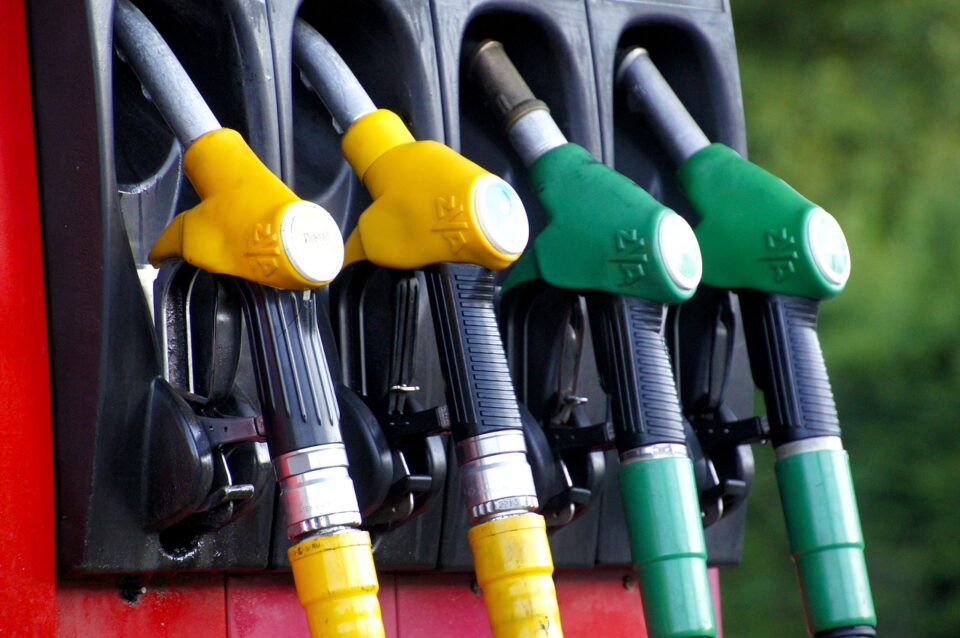
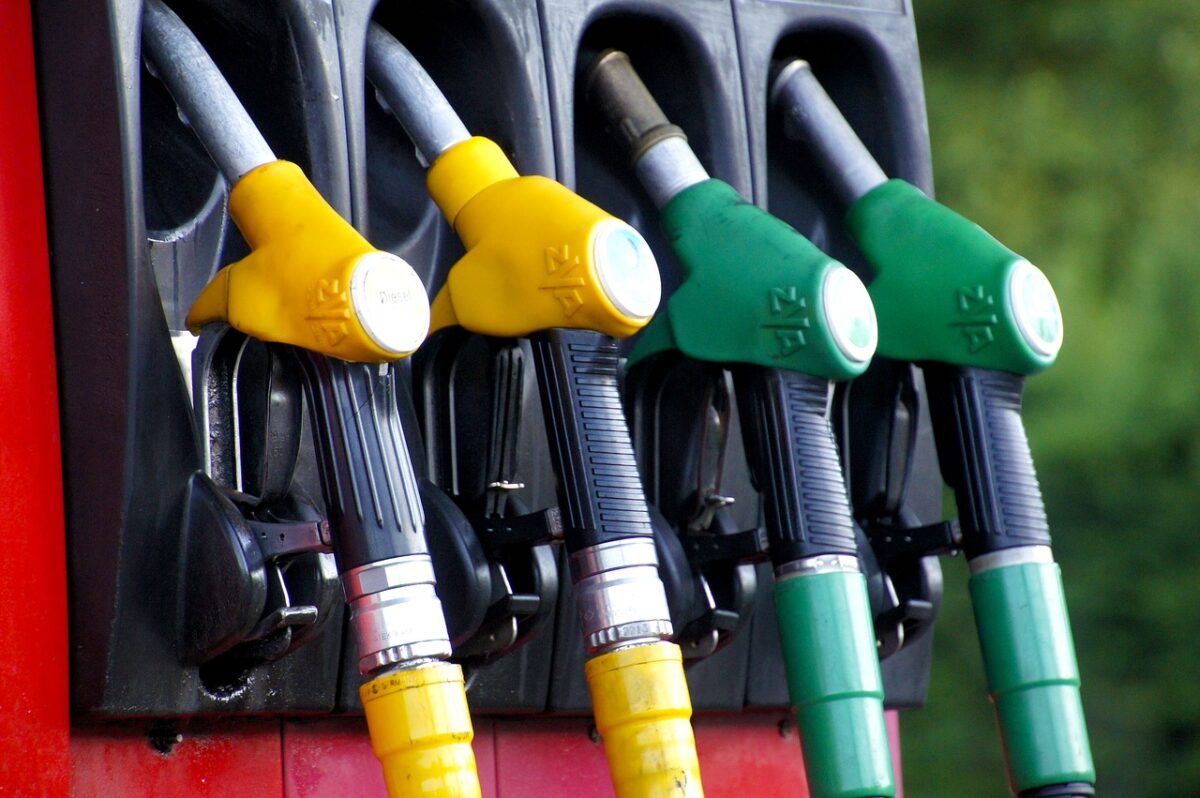
Suggesting causation, people are pointing out that as gasoline prices go up, more drivers are stranded with an empty tank.
While the most recent USDA totals are outdated, the tooth fairy and teenage baby sitters can tell us the up-to-date cost of raising a child.
Knowing that consumers fuel the GDP, we can ask if our projected Mother's Day spending will continue to support the economy.
Precision is impossible when defining the middle class because we all know what we mean until we try to agree on the criteria.
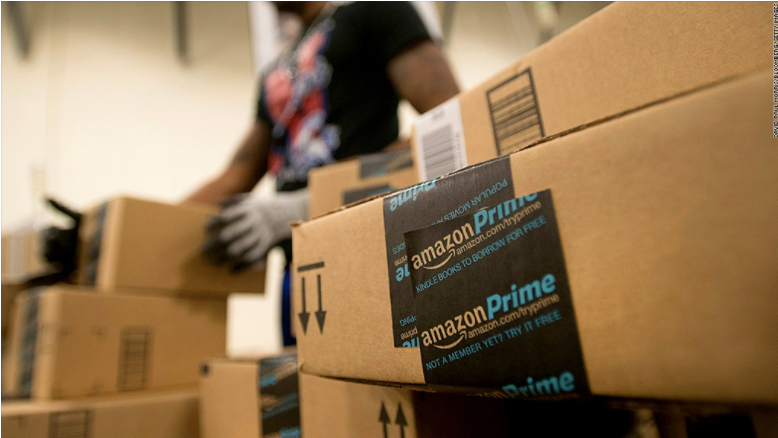
While the history of Amazon Prime price hikes shows membership continued to grow, we can ask if a new increase will have the same impact.
With an increase in the number of unpartnered people, we will see how single person households shop differently.
While monthly CPI reports emphasize the average increase in prices, we can also use it to see the differences in household spending.
Looking at the world's most expensive cities, we can see why changes in the cost of living should concern us.
Because our spending on gasoline is somewhat constant, gas price fluctuations can have a massive impact on what we spend elsewhere.
Now and in the past, life expectancy is about much more than living longer when we look at consumer spending and government responsibility.