September 28, 2014

Knowing about how and when creative people achieve optimal productivity is important because of the connection between human capital and economic growth.
Knowing about how and when creative people achieve optimal productivity is important because of the connection between human capital and economic growth.
Whether looking at the supply chain for a pencil or an iPhone 6, we see globalization because price system incentives create cooperation.
We need to raise the low U.S. savings rate with new incentives like a lottery on savings deposits because households and business investment need savings.
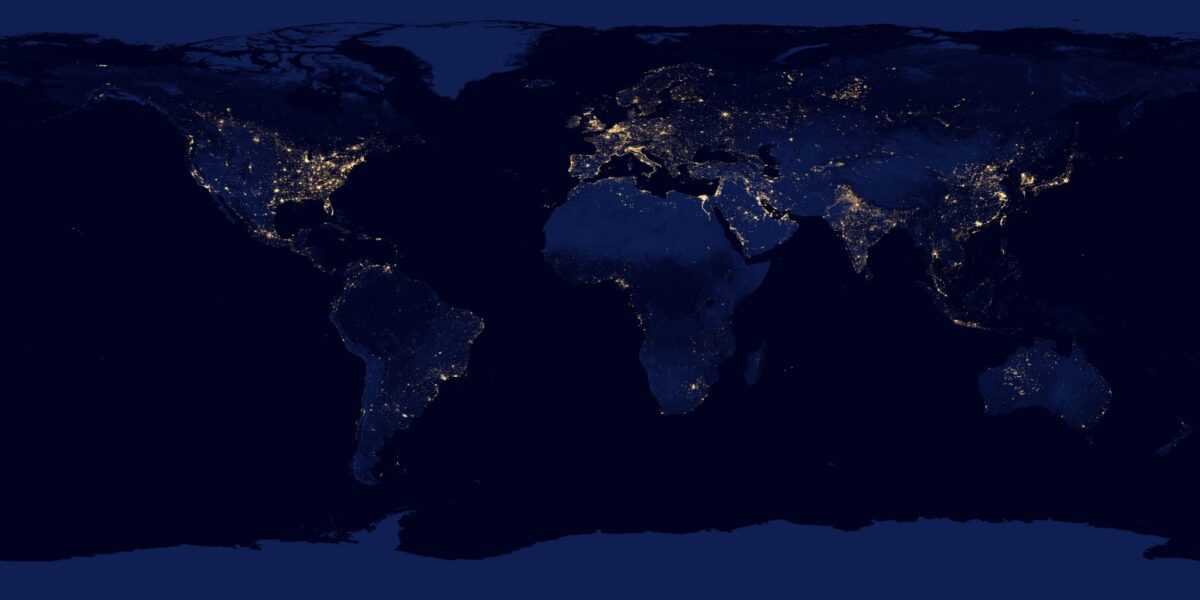
From statistics and a satellite image of the world at night, we can see that developing countries lack the electrification they need for economic growth.
According to Ronald Coase, if reclining in an airline seat creates a negative externality, both parties can negotiate because the transaction costs are low.
Led by Chinese economic growth and other emerging markets, the center of economic gravity is moving eastward from the developed world to Asia.
Whereas natural disaster preparation can save lives, it might have too high an opportunity cost to make sense or be a ShakeAlert that has been proven.
Looking at a European average economic growth rate, unemployment rate and GDP to debt ratio is misleading because of countries' disparate economies.
In refrigerators in developing nations, we can see the impact of affluence on their diet and on supply and demand that will change worldwide food prices.
The 2014 Social Security Trustees Report says that after we deplete the remains of the program's trust funds in 2033, payroll taxes will not provide all promised benefits.
Cash grants are an alternative form of foreign aid. Tough to accept, cash could have more benefits than other traditional programs.