February 17, 2015

Average Americans disagree with the economic consensus for many issues according to surveys from the University of Chicago Booth School.
Average Americans disagree with the economic consensus for many issues according to surveys from the University of Chicago Booth School.
As the source of monetary policy, the Federal Reserve has to decide if interest rates should rise when inflation is low but a jobs recovery has begun.
GDP problems include that it's not calculated the same way in different countries, its data can be tough to gather, and its components omit important items.
Limiting potential economic growth, the myth of innate talent in disciplines like philosophy diminishes the pool of female and Afro-American human capital.
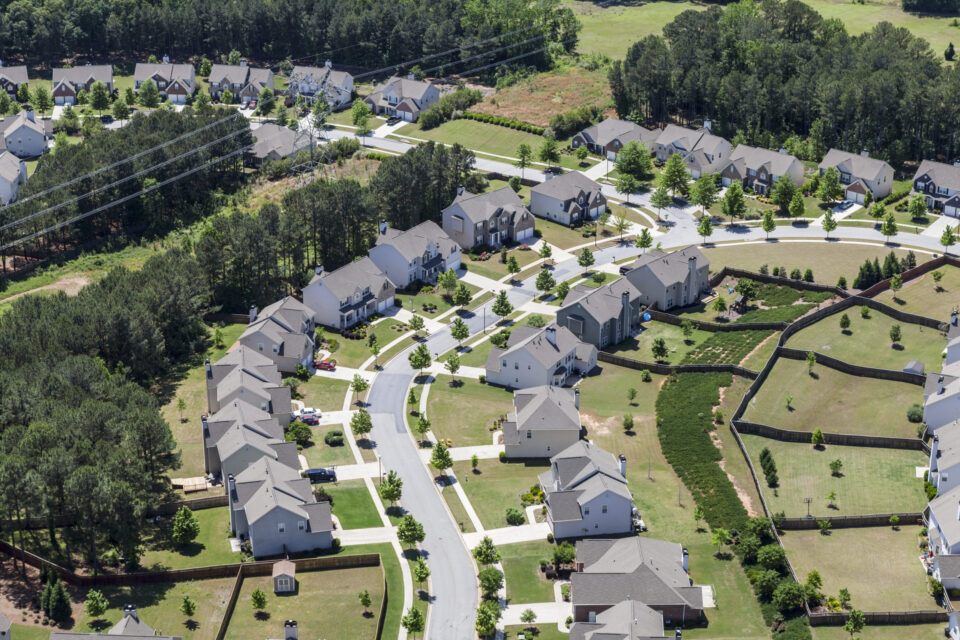
Called the American Dream, the income mobility that lifts a child beyond a parent's poverty can depend on a community's characteristics.
With implications that extend beyond sports, believers in classical economics and in behavioral economics are debating whether players can have streaks.
Explained by behavioral economics, we save relatively little for retirement because of intertemporal selfishness and seeing our future selves as strangers.
While everyone refers to the middle class and most of us say we are in the middle class, few know the characteristics of the group to which they refer.
With the House requiring dynamic scoring of tax legislation from the CBO, the bigger tax debate resurfaces on how much redistribution and spending.
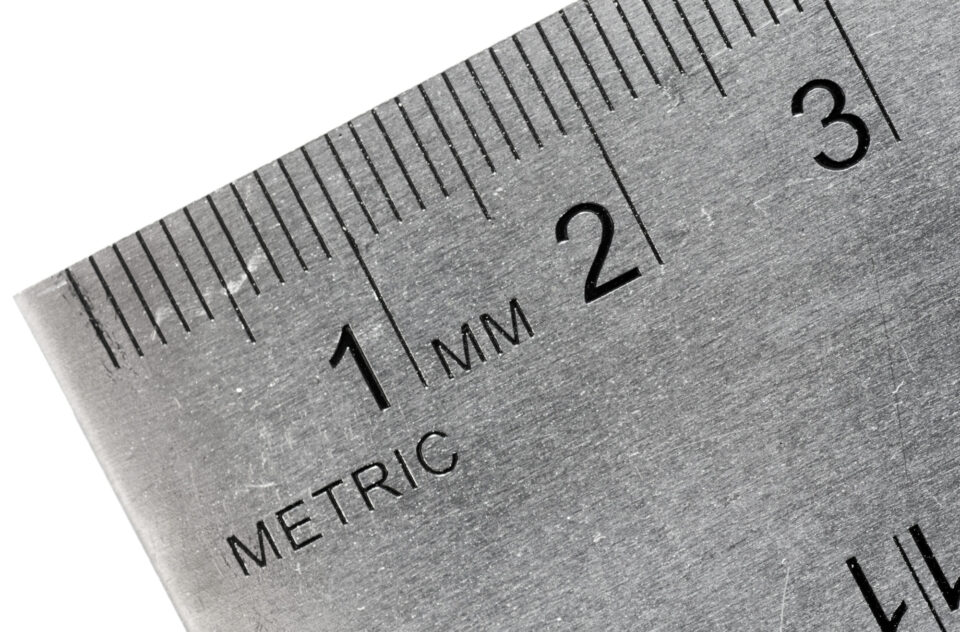
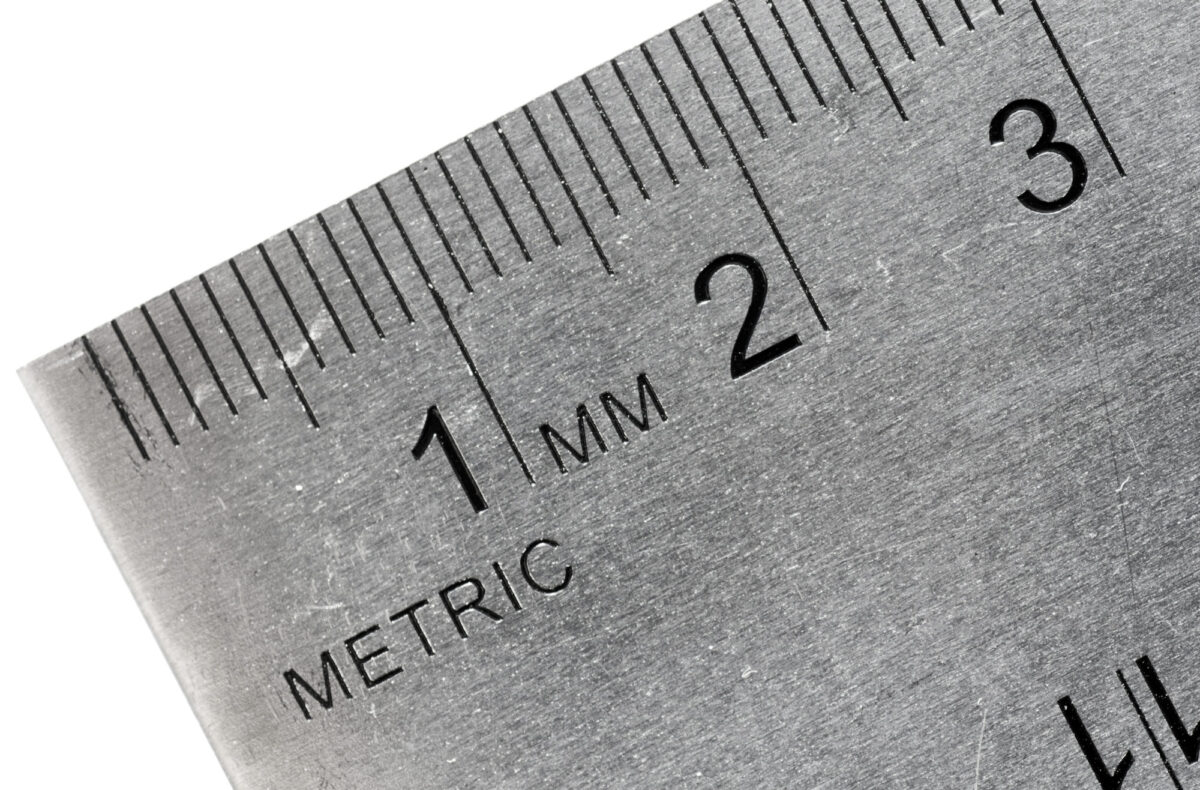
The expense and complexities of switching to the metric system have prevented the change, and have affected how standard weights and measures help globalization.
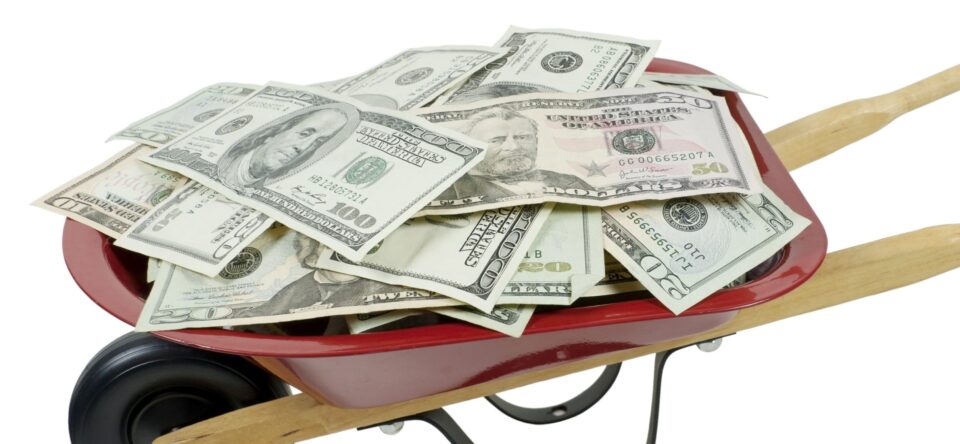
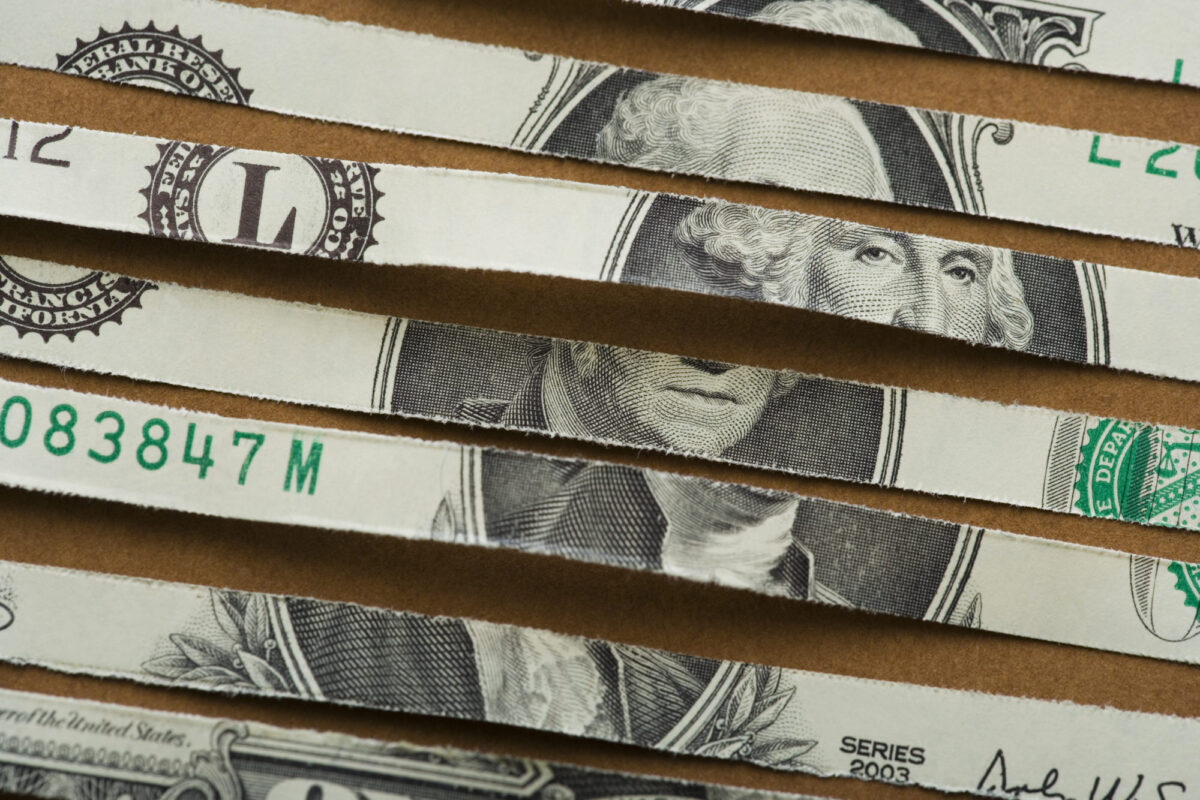
Part of keeping the money supply at the right level involves the Fed monitoring the paper money that enters circulation and recycling cash that leaves it.