June 25, 2017
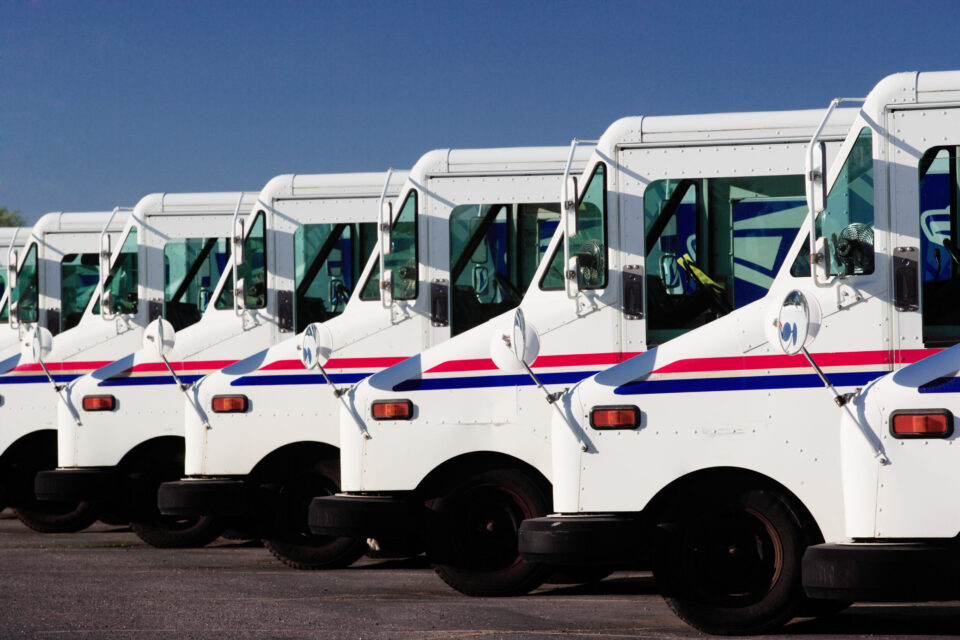
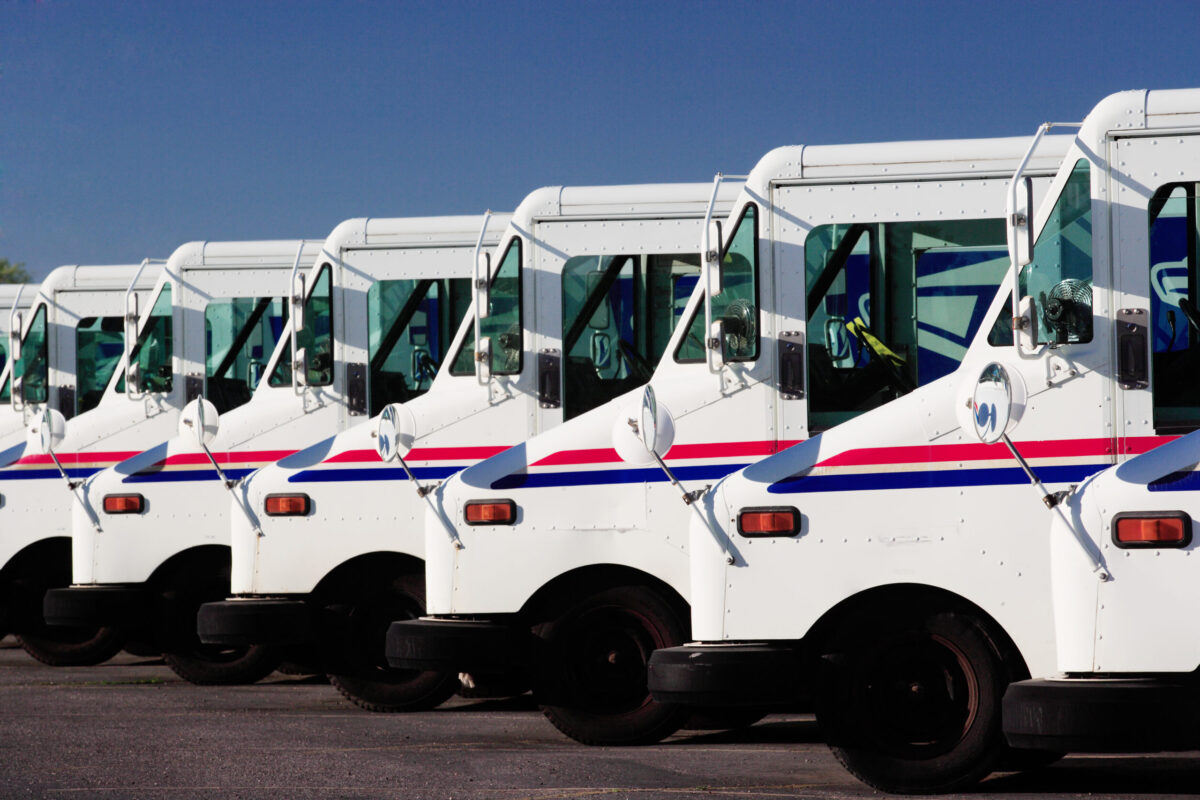
Thinking of postal service finances, you might picture Meyer Chuck, Alaska's 25 residents receiving a weekly mail delivery.
Thinking of postal service finances, you might picture Meyer Chuck, Alaska's 25 residents receiving a weekly mail delivery.
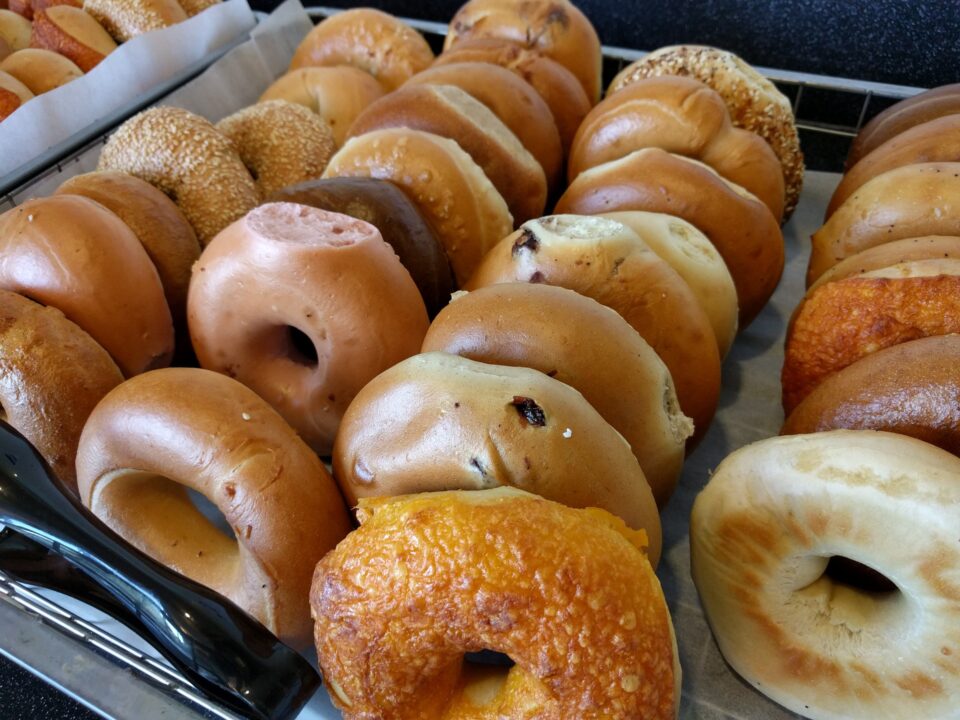
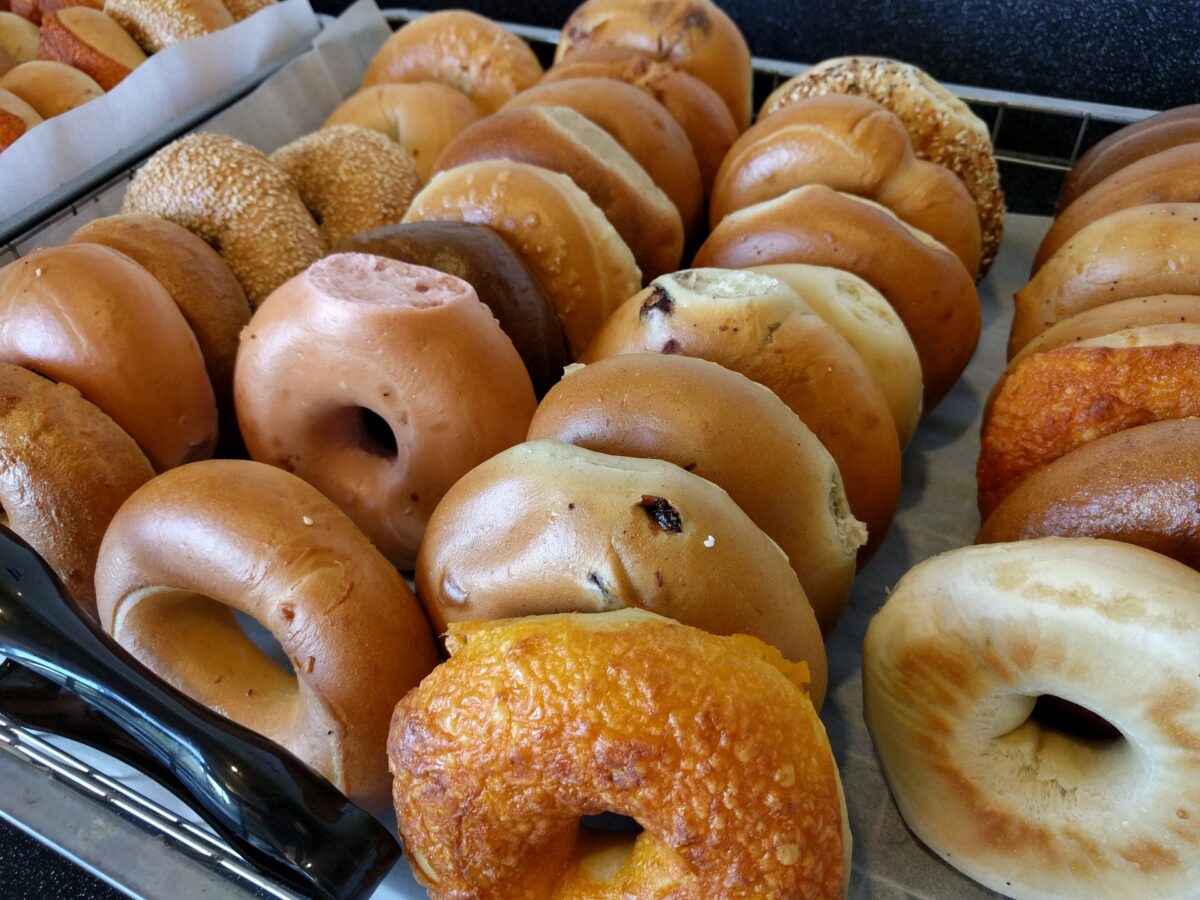
By changing our homes and our cream cheese purchases, taxes on bagels and windows can have unintended consequences when they distort our behavior.
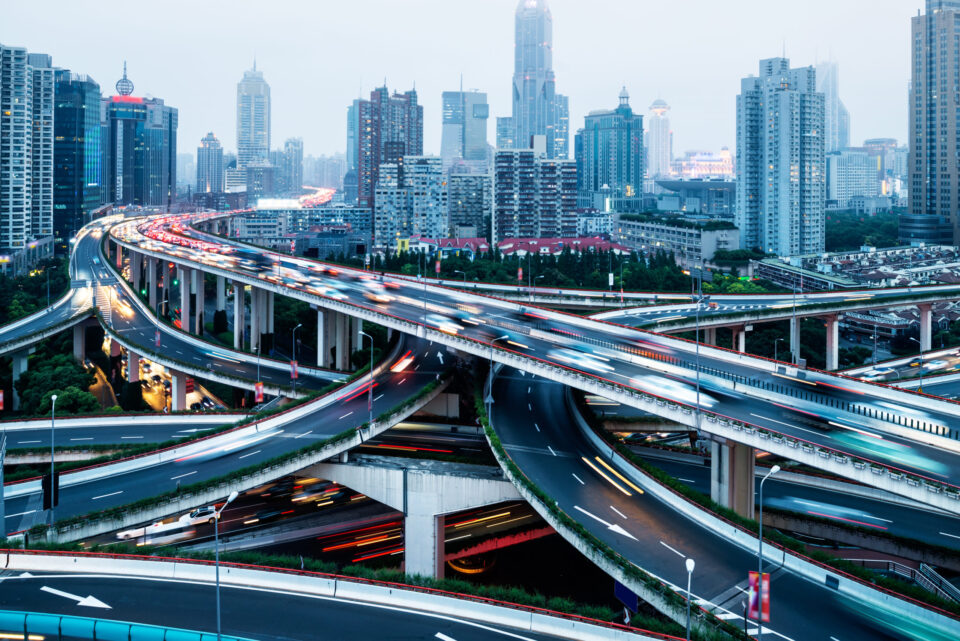
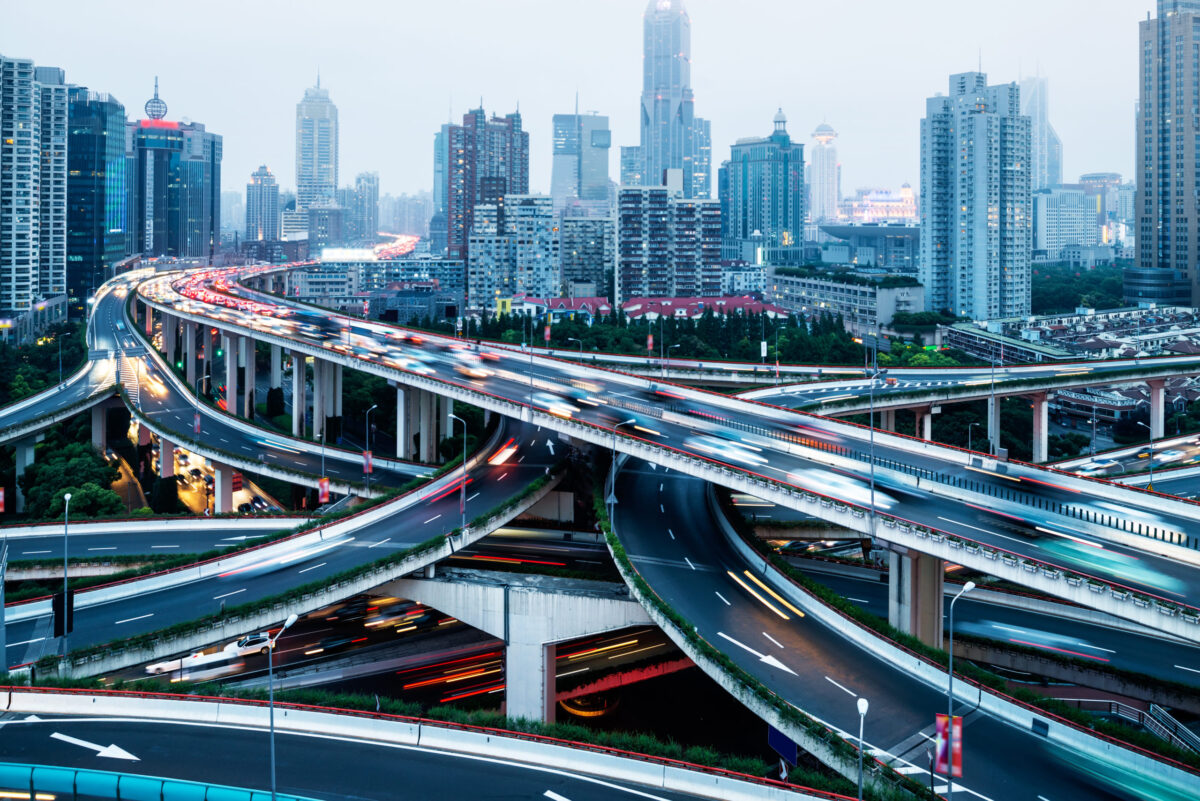
When politicians plan to update our transportation infrastructure, they are influenced by a hidden hand that can be benevolent or malevolent.
Although no one tells Maine's wild blueberry growers how much to plant, blueberry markets signal when to cut back and when to plant more.
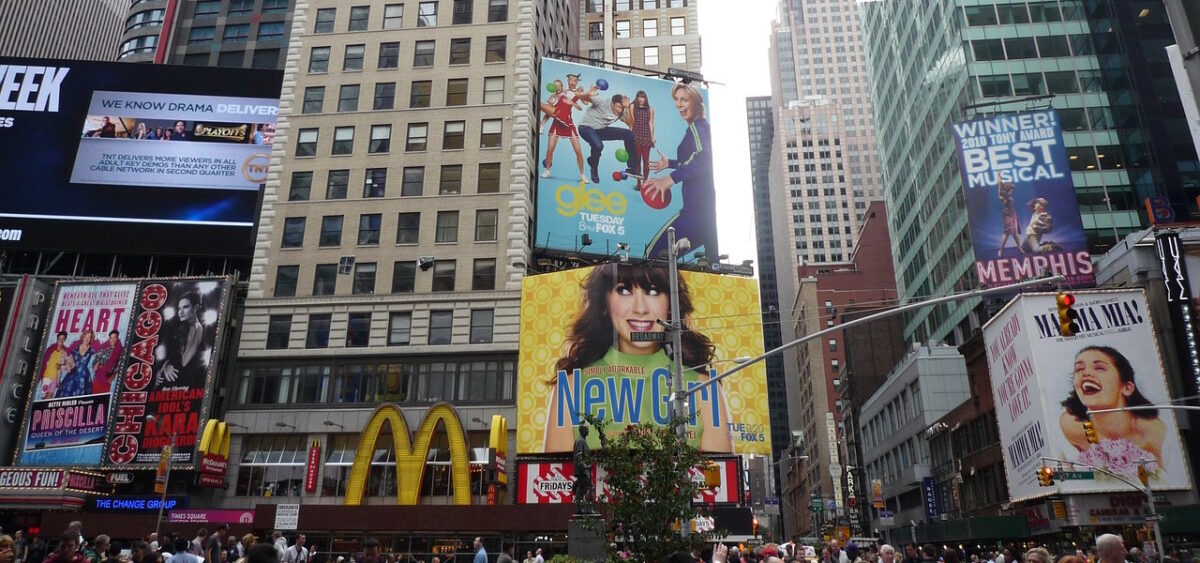
To understand the high prices supported by Hamilton ticket demand, we can look at the elasticity from four groups of theater goers.
The fiscal challenges that Japan's shrinking population has created come from a shrinking birth rate and an aging population.
Precise numbers can become misleading statistics when politicians, journalists and scholars use them for jobs projections and GDP totals.
Shown through grades that are mostly Cs and Ds, state pension problems display unrealistic fiscal policy decisions for an aging population.
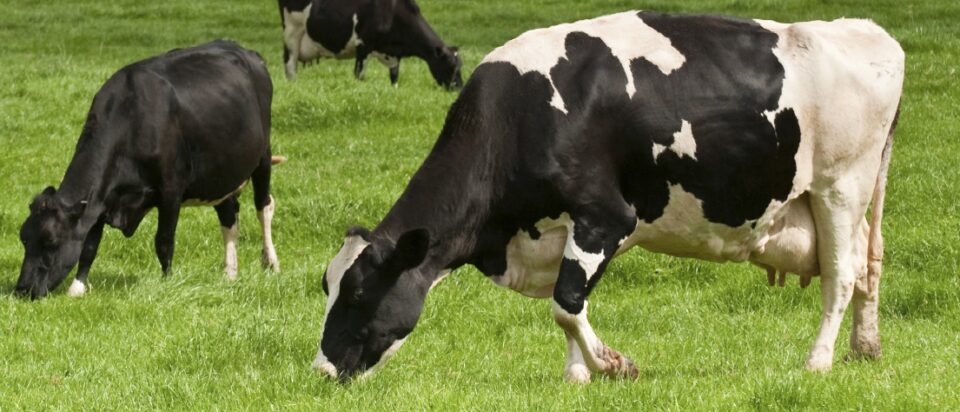
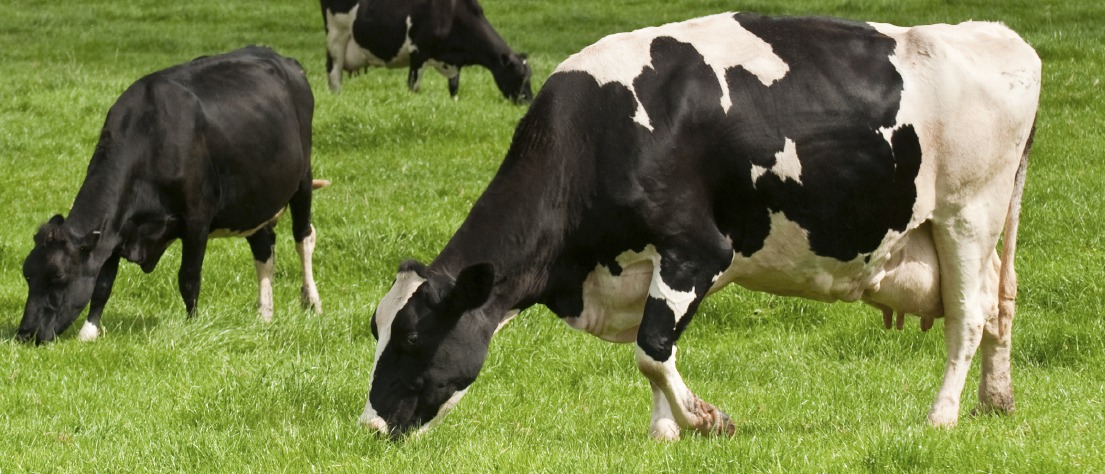
Combine thriving world markets and more productive cows and you get farmers who unintentionally create a milk glut when they increase supply.
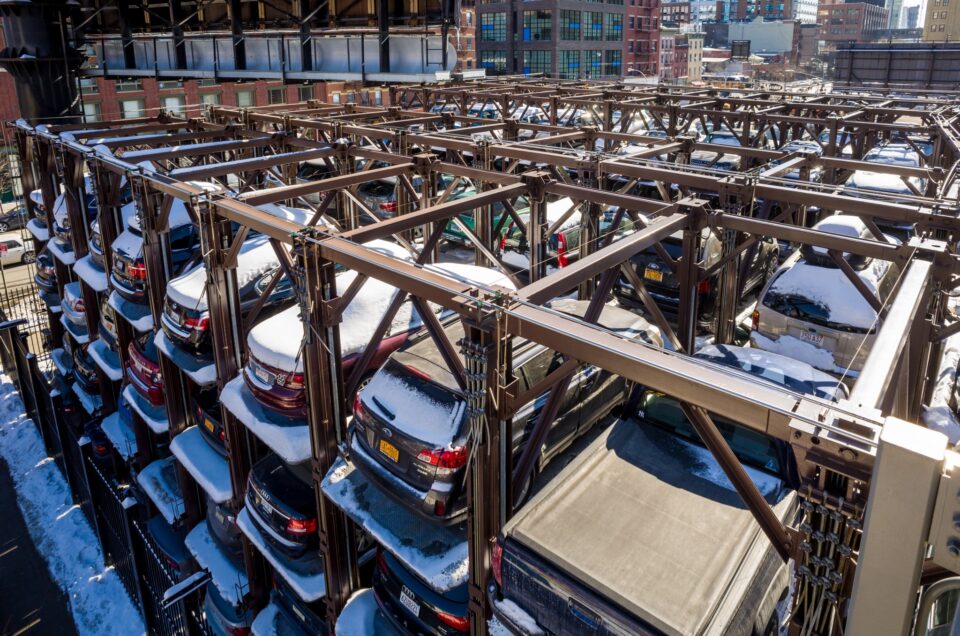
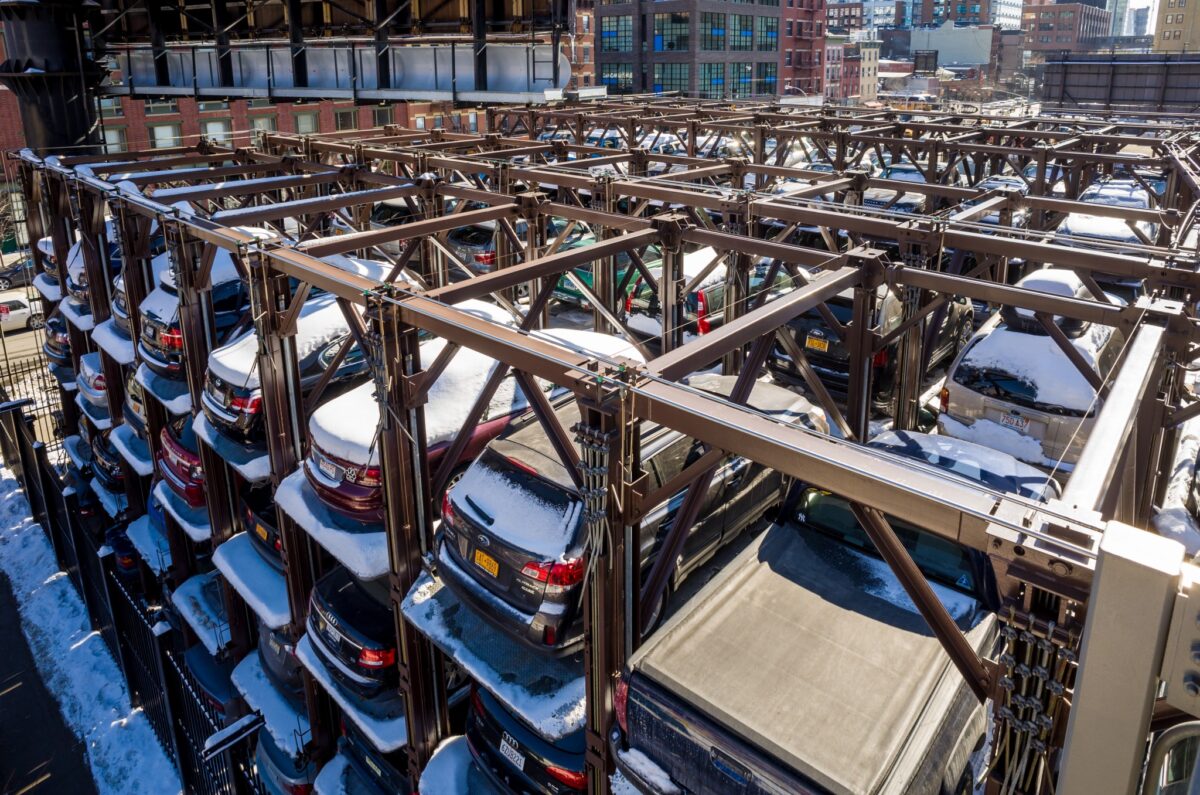
Our healthcare costs and parking lot spending are influenced by similar incentives that involve paying per visit or with a lump sum for unlimited use.
We can better grasp what we mean by the GDP by looking at the numbers and also by comparing its components to an alternative.