April 25, 2018

Economic forecasting can frequently be inaccurate because of changing numbers and human bias or, as Yogi Berra reputedly said, "It's tough to make predictions, especially about the future."
Economic forecasting can frequently be inaccurate because of changing numbers and human bias or, as Yogi Berra reputedly said, "It's tough to make predictions, especially about the future."
The decisions we make about marijuana regulation will shape the role of government, of markets, and even whether we have marijuana-infused wine.
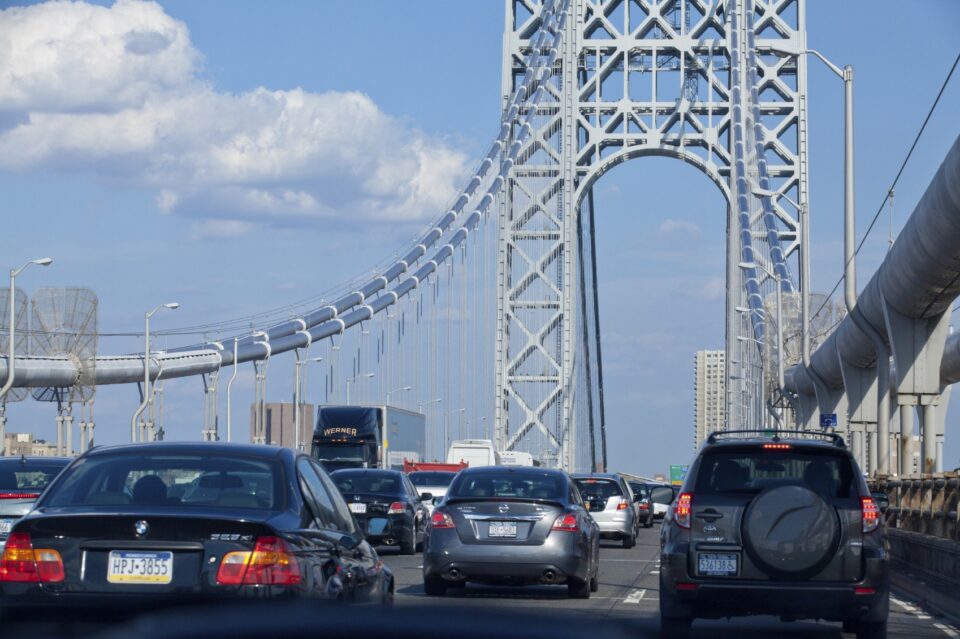
With more drivers using Waze and other traffic apps to avoid rush hour delays, local neighborhoods have begun to resist the disruption.
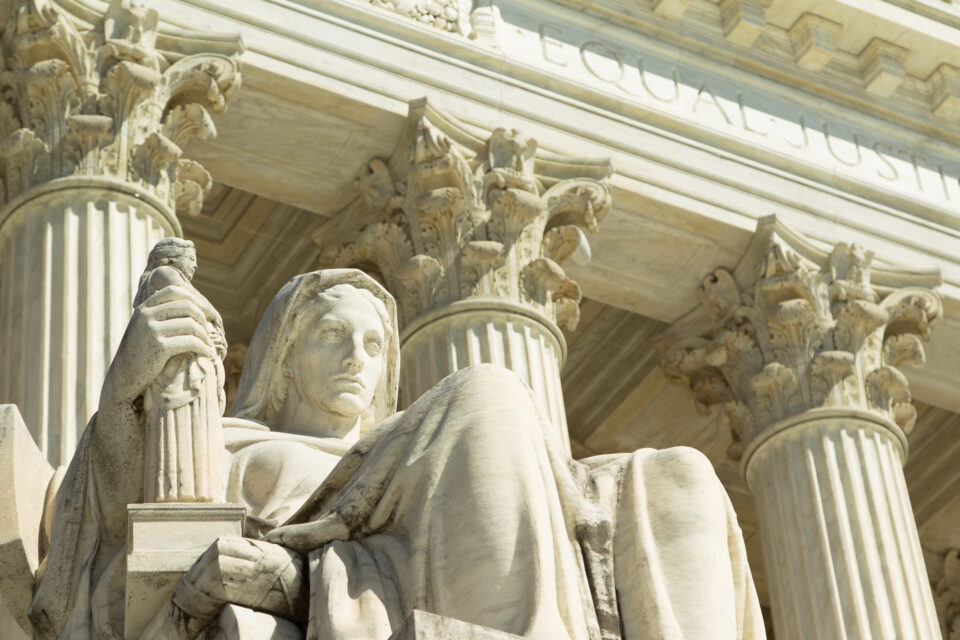
The internet taxes that none of us pay may soon be required by the Supreme Court if South Dakota wins a decision against Wayfair.
Deciding which groups should give which should receive, government redistribution policies could be based on a generational lens.
The economic way to demonstrate sadness is to look at misery indexes that use macro data to measure changes in our emotions.
Told that their least favorite candy might no longer exist, people are panic buying NECCO wafers and Sweethearts because the New England Confectionary Company could shut down.
When cities like San Francisco pass rent control legislation to create affordable housing, they could wind up with unintended consequences.
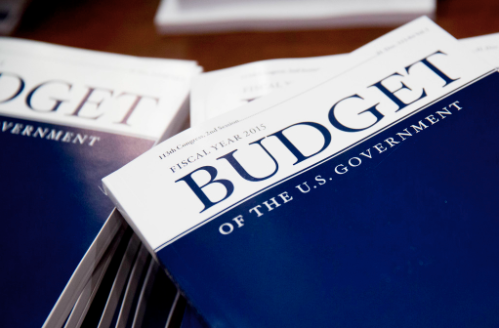
While the CBO's (Congressional Budget Office) 2018-2028 report presents federal budget projections, the numbers also reflect the tradeoffs and some tough decisions.
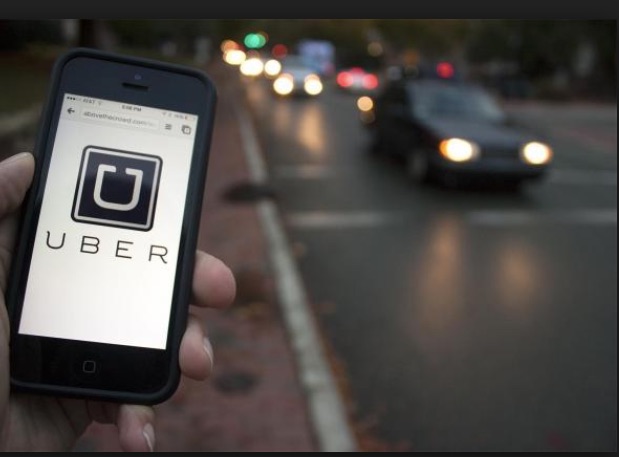
There are some good reasons that most of us are contributing to a reputation inflation that diminishes the meaning of an Uber driver rating score.
While facts about China's wine imports from the U.S. are somewhat surprising, still the impact of a tariff war is predictable.
Not as devastating as the retail changes at the mall, the supermarket grocery shopper is also switching to new buying habits.