June 20, 2018
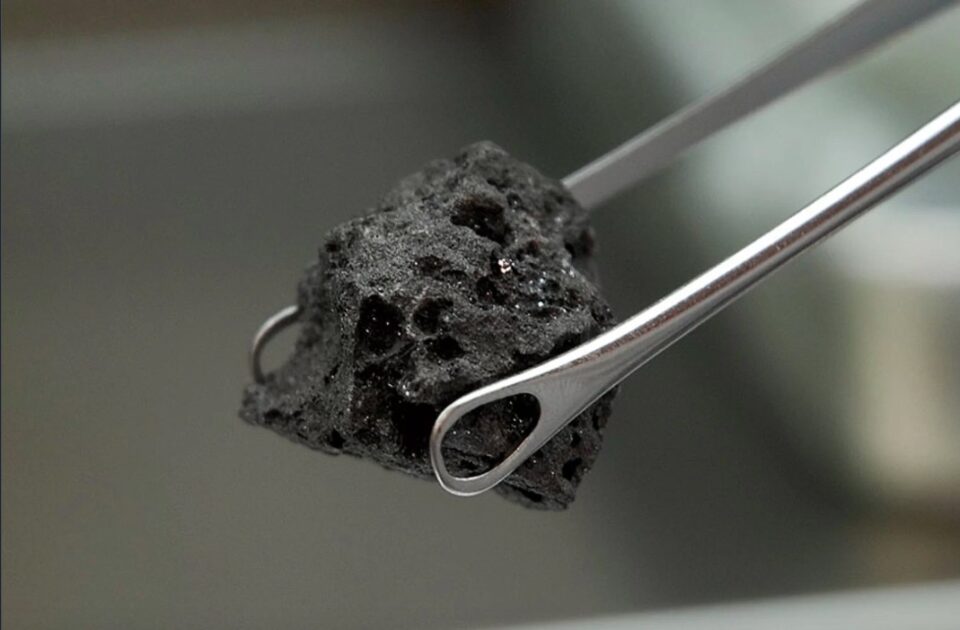
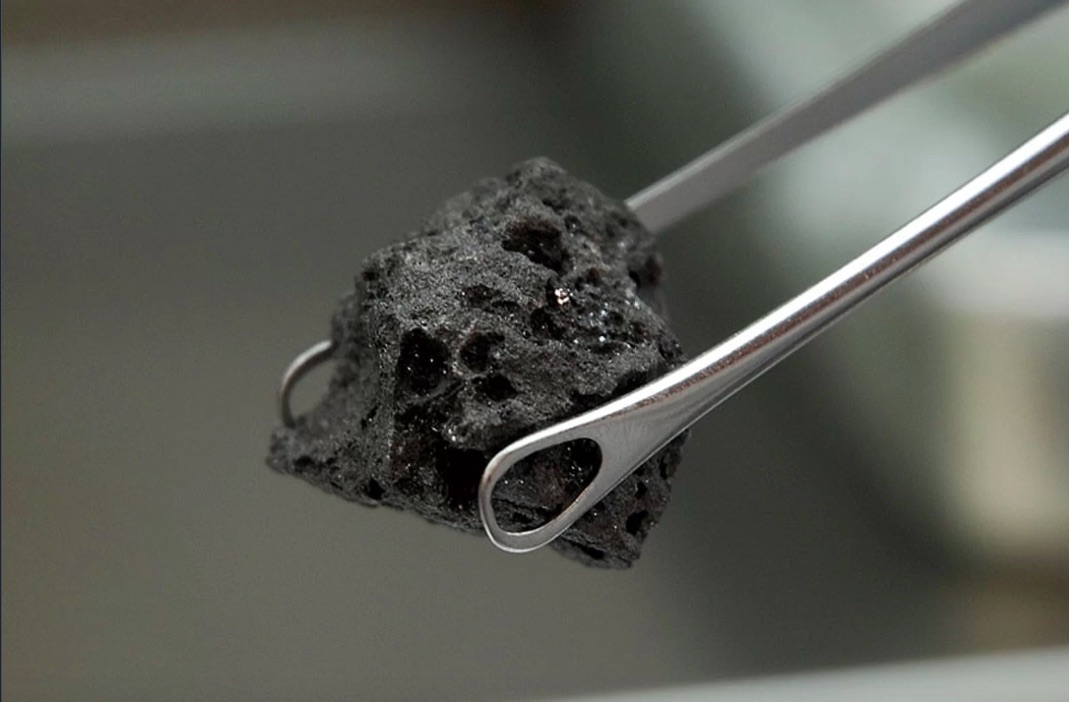
Unless the U.S. government lets a woman in Tennessee keep and then sell her moon dust, it will remain a "priceless" national treasure with unknown value.
Unless the U.S. government lets a woman in Tennessee keep and then sell her moon dust, it will remain a "priceless" national treasure with unknown value.
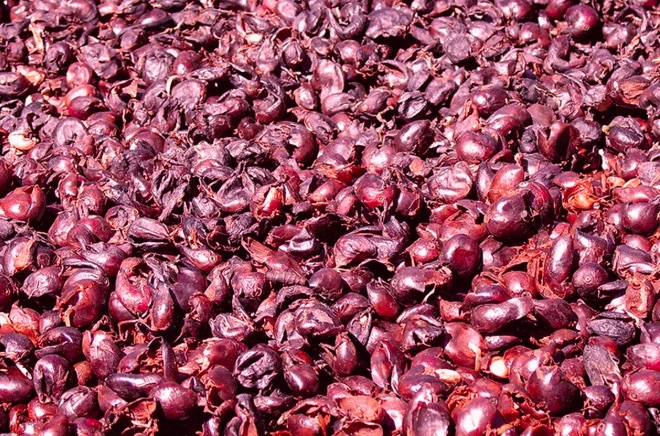
When previously worthless byproducts like coffee bean husks, chicken paws, and hog snouts became popular, we increased our economic efficiency.
Looking at airplane manufacturing through Bombardier's new billion dollar order from Delta, we can see why a multinational supply chain can lower tariffs.
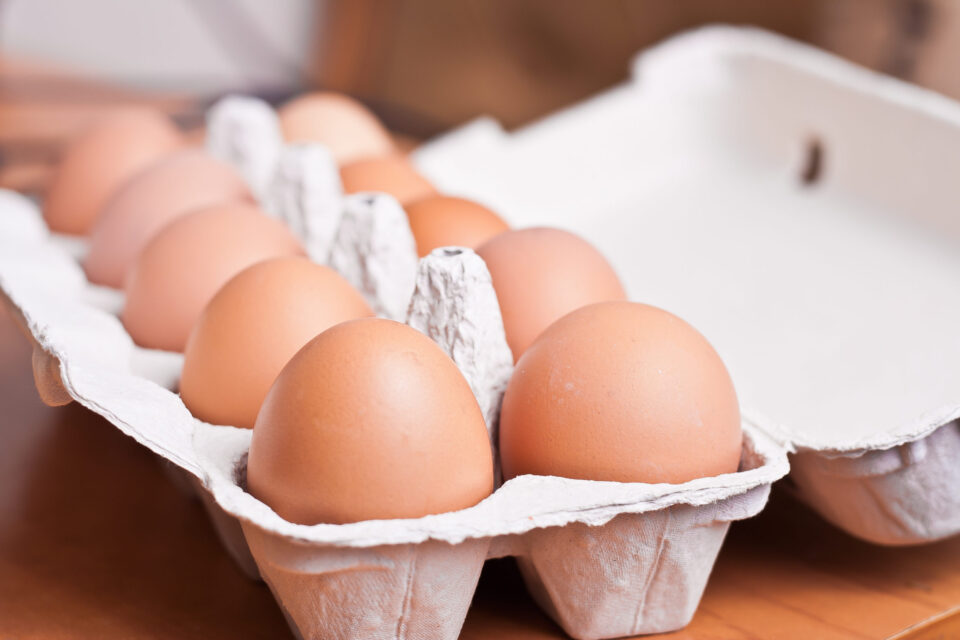
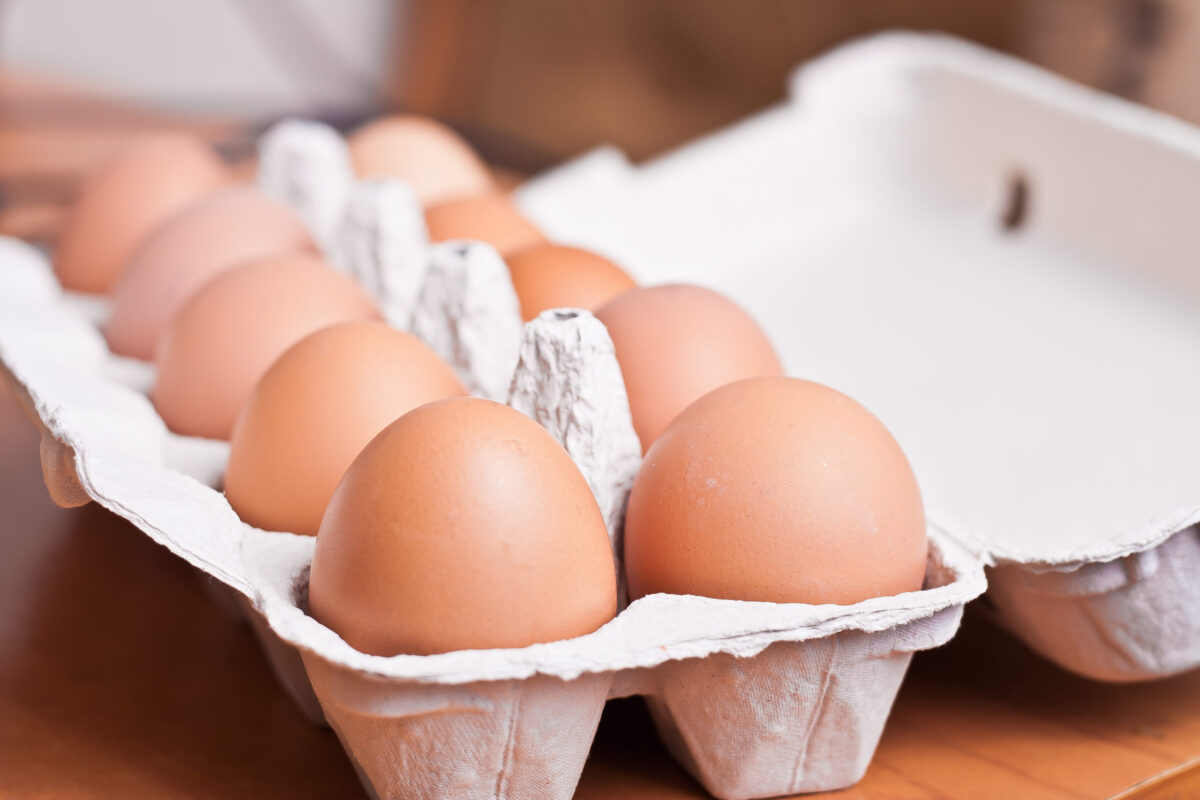
When their requirements are outdated or illogical, FDA guidelines can create misleading labels for foods like eggs and skim milk.
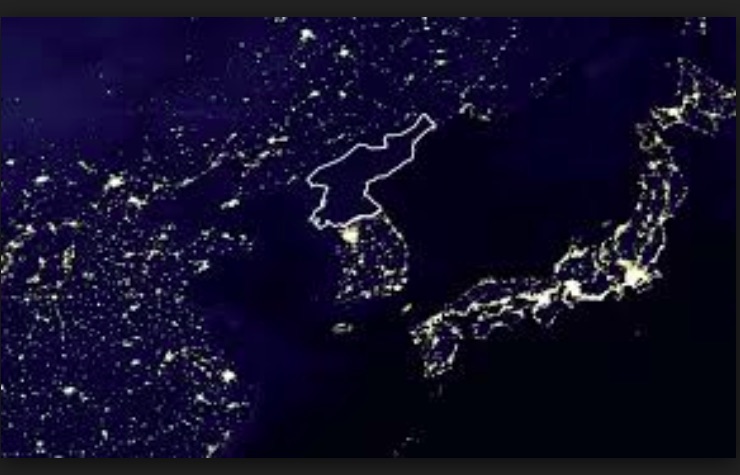
Looking at the North Korean economy, economists have to become detectives because the government refuses to share basic statistics.
When coffee drinkers hear that some prices at Starbucks will rise, their response will depend how how elastic their demand is.
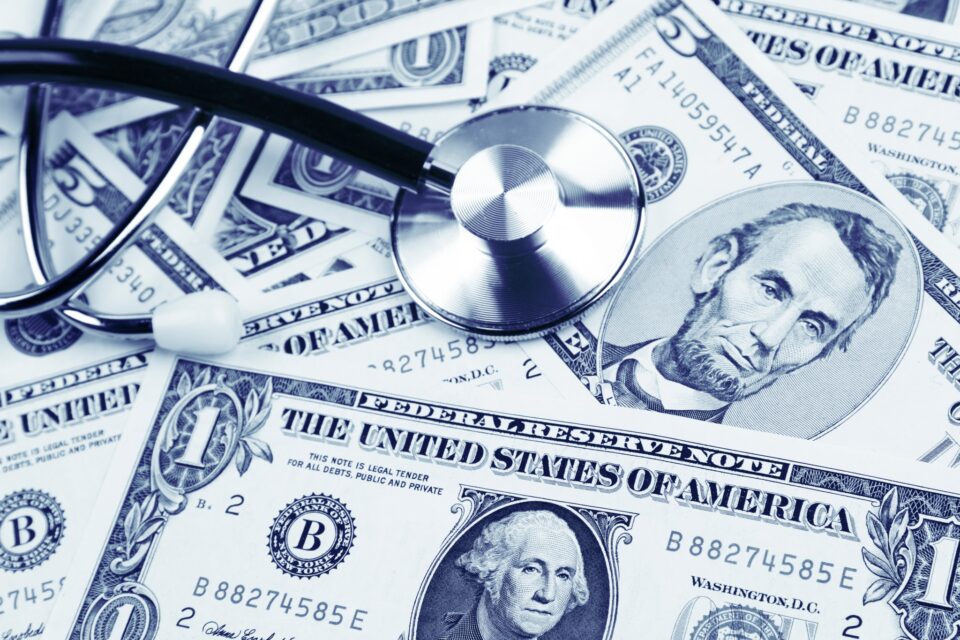
Soon to be swamped by the baby boomers, Medicare's finances are summarized in this year's report from the trustees that oversee the program's funding.
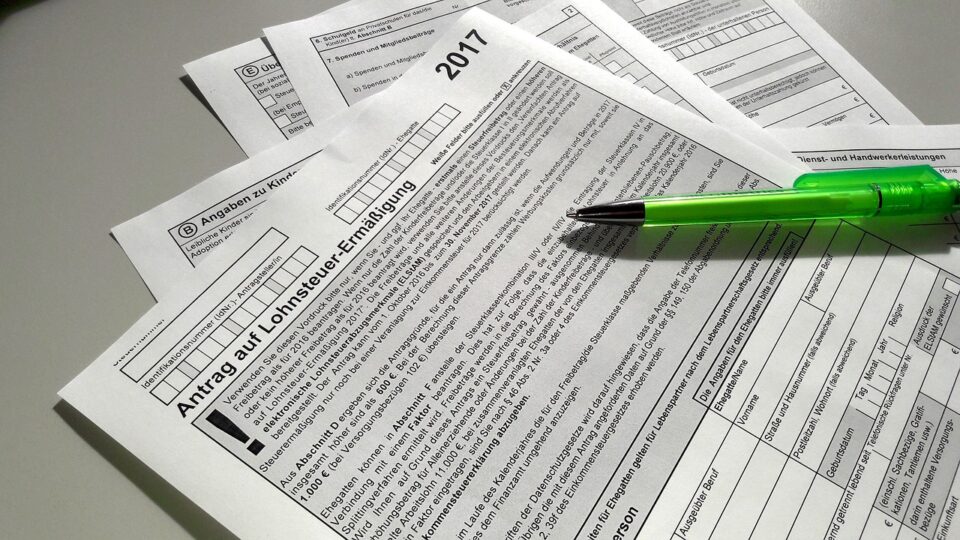
Including more people saying, "Where's my refund?" the number of IRS problems has been increasing while its budget has been shrinking.
Looking at Italy's aging population and the impact on national spending, we might better understand the populist direction of Italian politics.
Knowing that last Friday was National Doughnut Day, we can thank the inventor that made doughnut mass production possible.
You have a regulatory dispute when North Carolina's hog farmers want to use their less costly manure lagoons while neighbors, objecting to the smells, want legal limits.