August 11, 2020
A Consumer Price Index (CPI) that went up by just .6 percent during the past year hides a much larger increase in some grocery prices.
A Consumer Price Index (CPI) that went up by just .6 percent during the past year hides a much larger increase in some grocery prices.
A looming Social Security shortfall could happen much sooner because of pandemic spending and its impact on the birth rate.
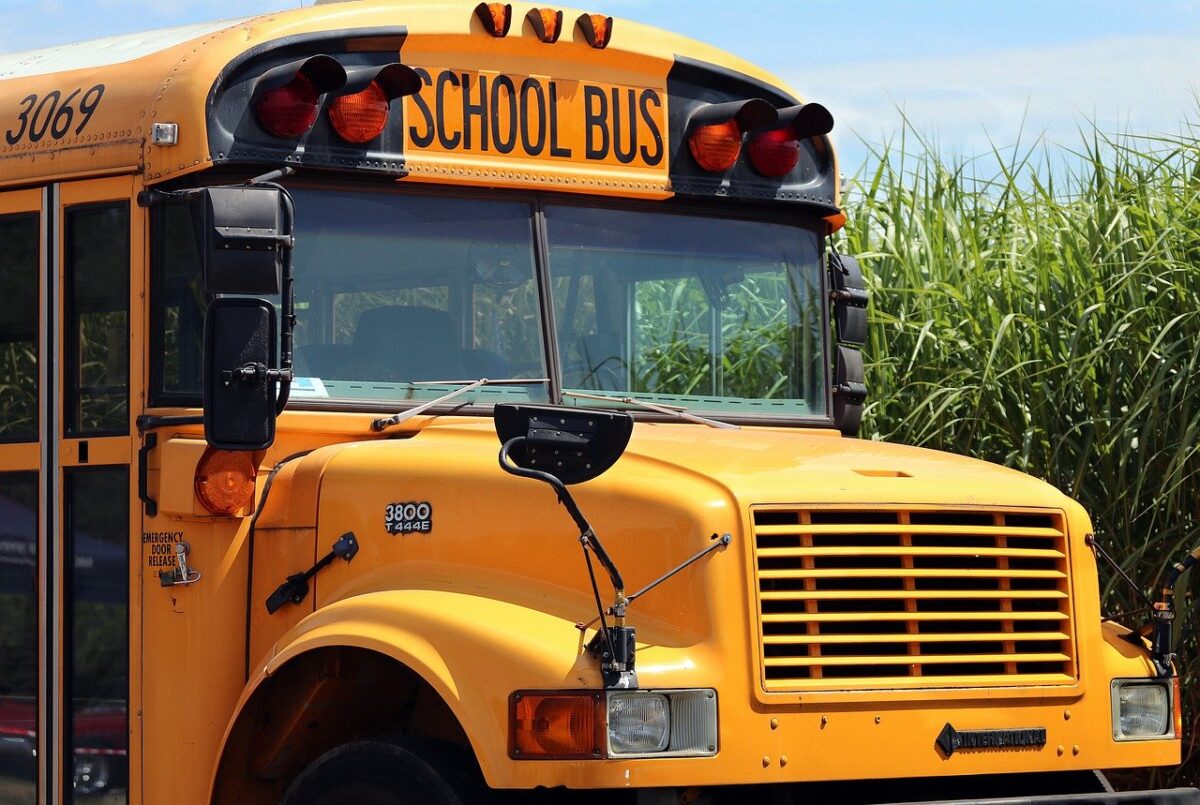
The cost of opening schools safely becomes more of a concern when we look at the impact of the coronavirus on state finance.
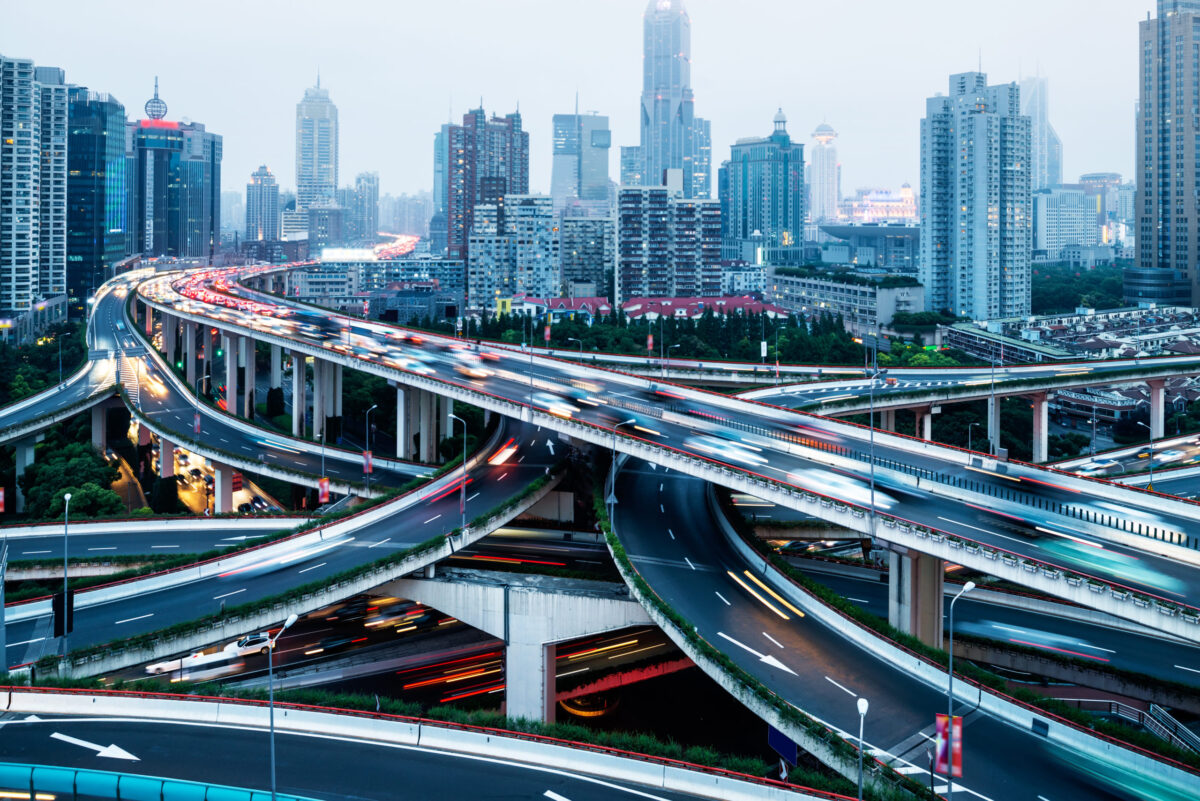
Much too low, the D+ from the American Society of Civil Engineers for our transportation infrastructure needs reconsideration.
Called an alphabet recovery, the ABC's of the GDP trajectory after a massive decline can be illustrated through the letters of the alphabet and a Swoosh.
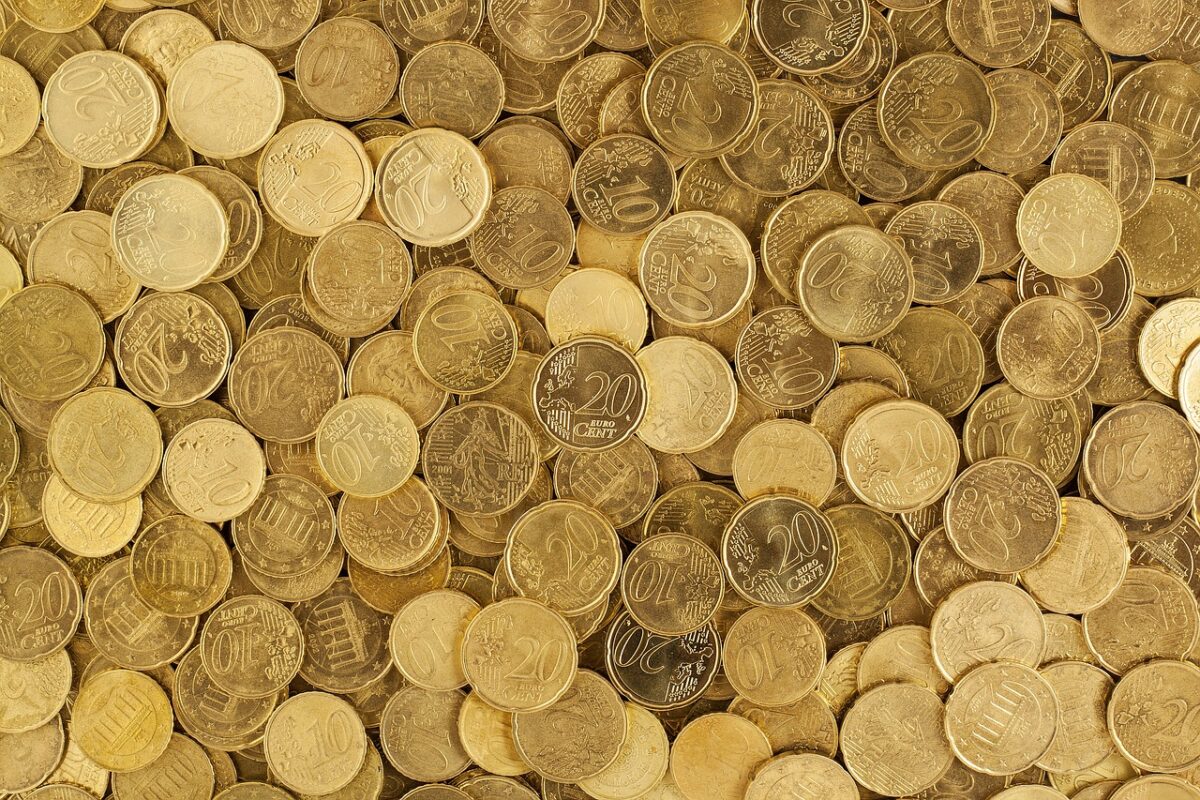
Hershey's Breath Saver mints and the U.S. Mint have both contributed to the coin shortages problems that the Federal Reserve is trying to solve.
Because a Covid-19 basket of goods and services has a different inflation rate from the CPI basket, the cost of living might not be what we think it is.
While the headlines tell us the monthly unemployment rate, we can look at other numbers in the report to get the whole story.
Although the per capita GDP gap between two countries could appear large, the difference shrinks when you bring welfare into your calculations.
Even if all works out with with a fast-track compressed timeline for developing the COVID-19 vaccine, we will have distribution dilemmas to resolve.
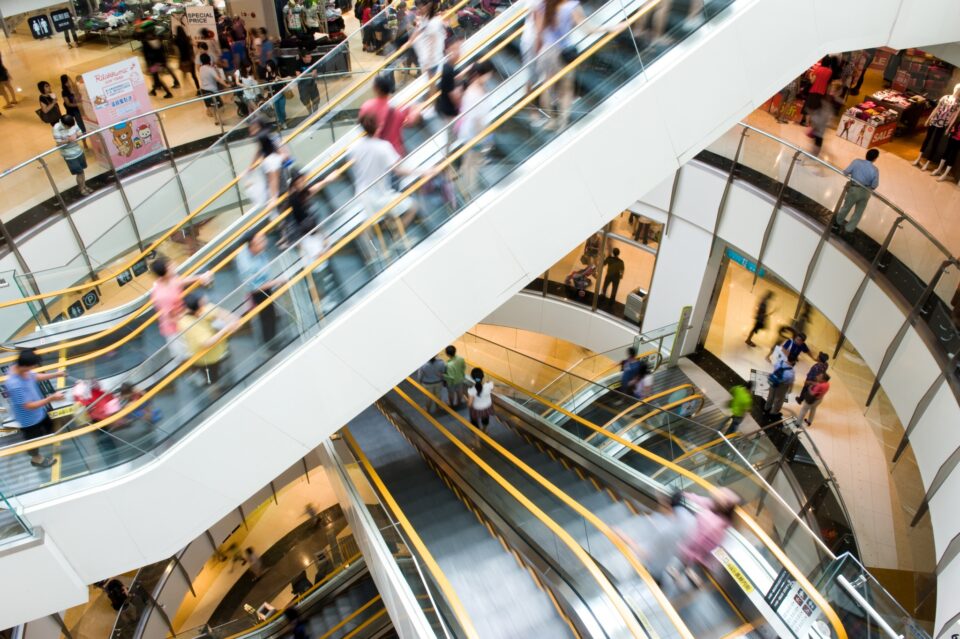
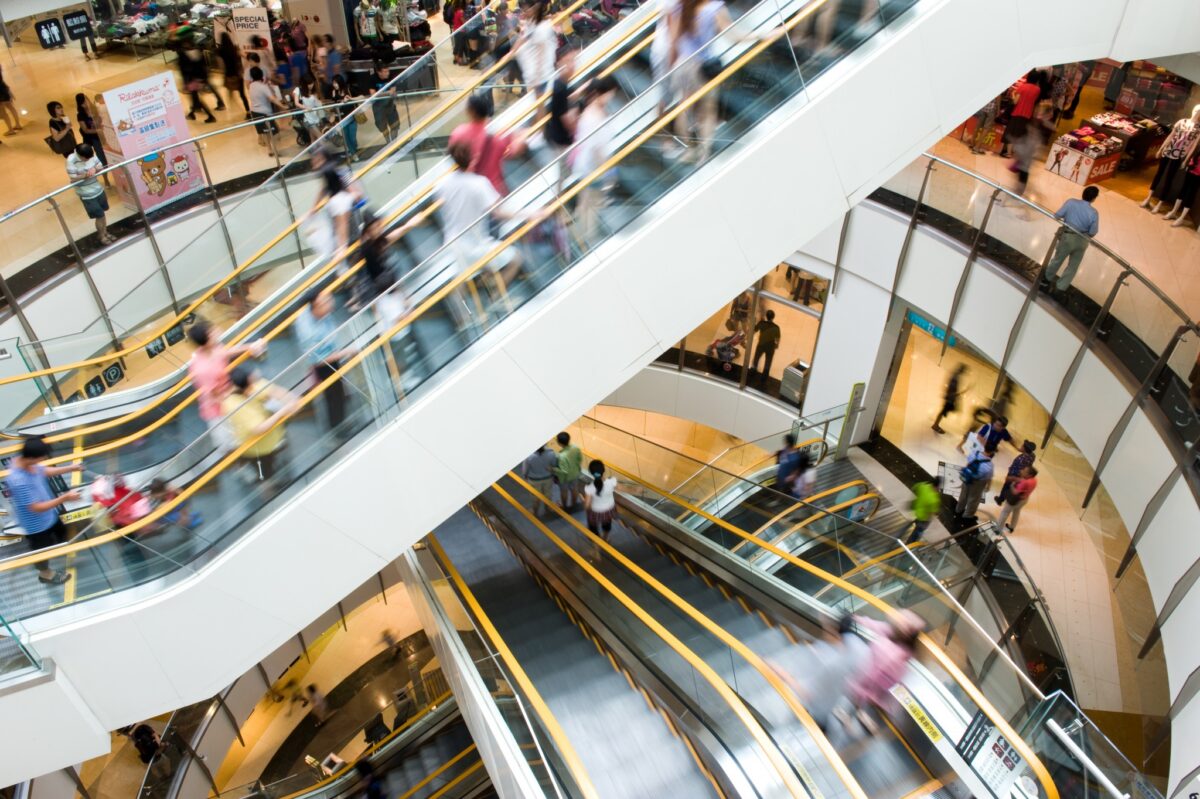
Looking at the first shopping mall and its evolution, we can see how its original concept will now be turned upside down.
When we look at where consumer spending has declined and where we expect to spend in the future, we can ask where recovery spending will come from.