April 20, 2015

Creating different incentives, the variety among state taxes includes some with no income tax, others with sales taxes and some with severance taxes.
Creating different incentives, the variety among state taxes includes some with no income tax, others with sales taxes and some with severance taxes.
Website traffic can tell us the information we need from government and some clues about the federal budget.
Because he revised his country's inaccurate deficit and received Eurostat approval, Greece's chief statistician might be prosecuted for "breach of faith."
One of many examples in Peter Schuck's new book, the Social Security program shows how government can be successful and also why it "fails so often."
With the U.S. hitting a debt ceiling that is equal to the GDP, concern over U.S. spending is growing as the Congress again decides how to avoid a default.
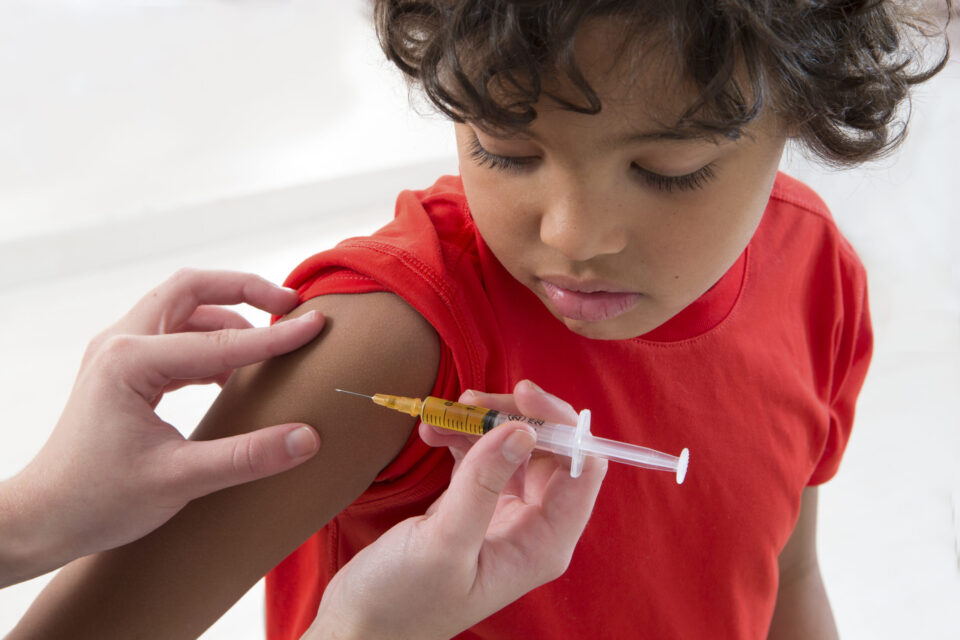
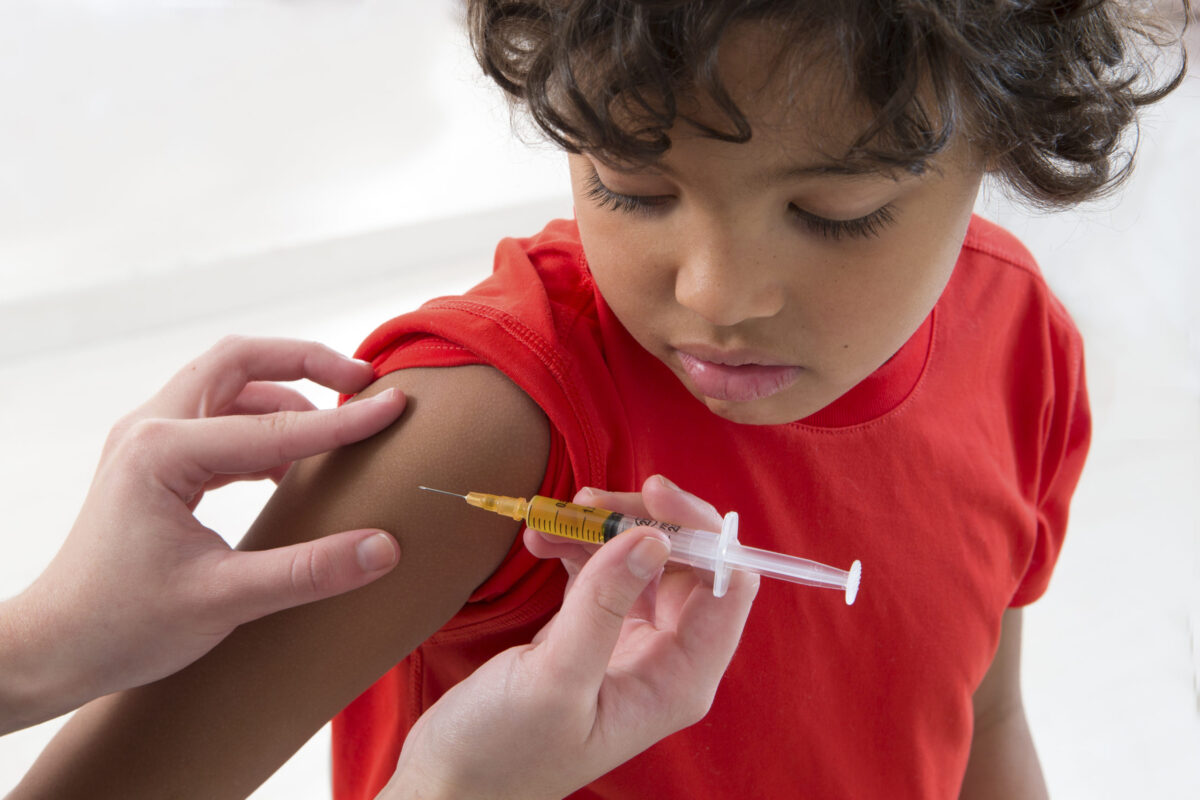
With better school attendance and learning, and then higher work productivity, the positive externalities of childhood vaccination have an economic impact.
Facing an aging population and more entitlements, countries that are encouraging more births to expand the labor force might be creating a bigger problem.
As the source of monetary policy, the Federal Reserve has to decide if interest rates should rise when inflation is low but a jobs recovery has begun.
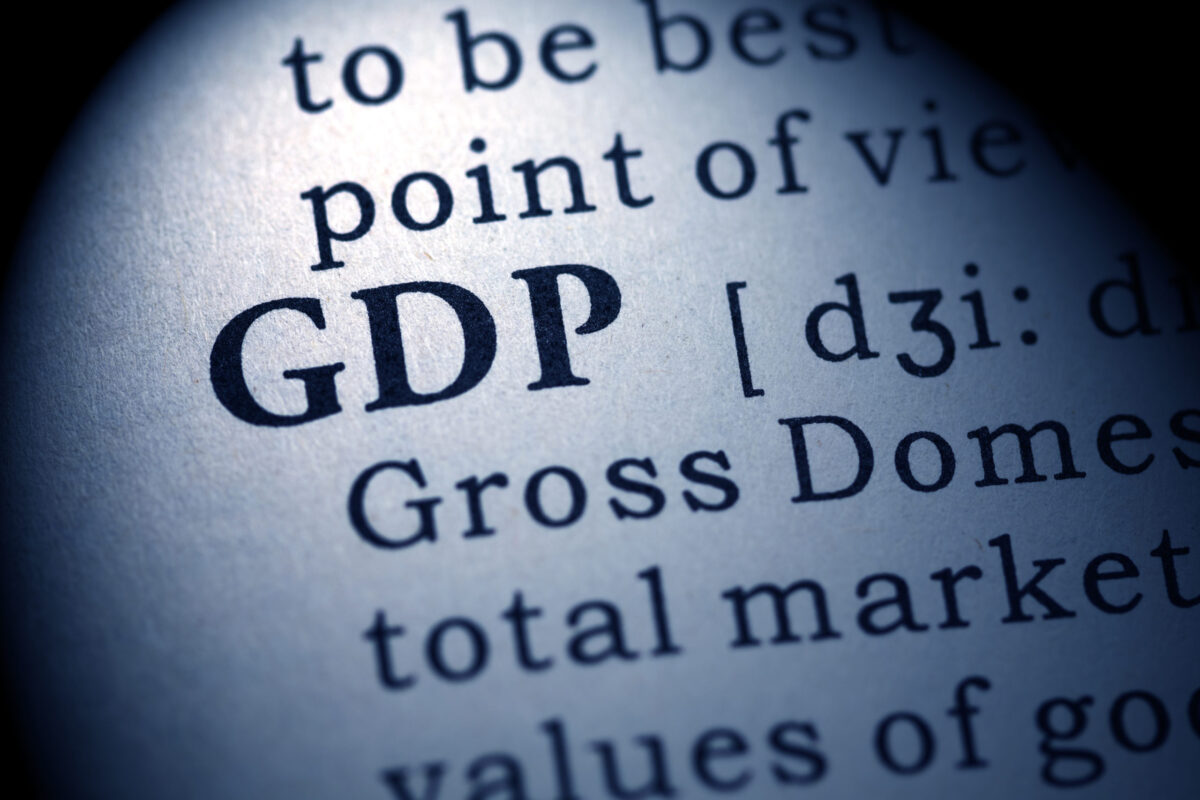
GDP problems include that it's not calculated the same way in different countries, its data can be tough to gather, and its components omit important items.
Limiting potential economic growth, the myth of innate talent in disciplines like philosophy diminishes the pool of female and Afro-American human capital.
Called the American Dream, the income mobility that lifts a child beyond a parent's poverty can depend on a community's characteristics.
Explained by behavioral economics, we save relatively little for retirement because of intertemporal selfishness and seeing our future selves as strangers.