
November 16, 2017

November 2, 2017

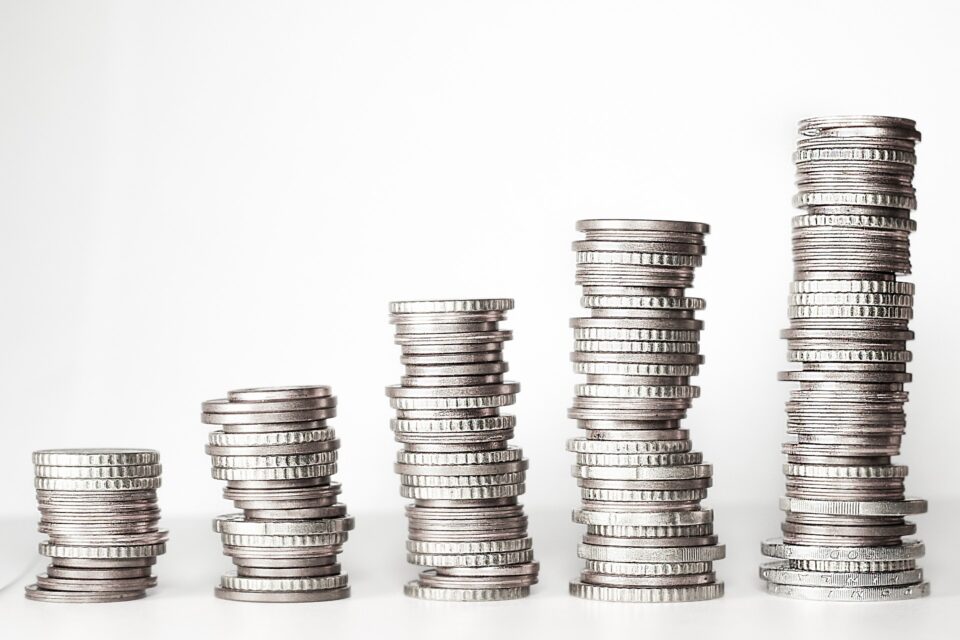
For all economic crises, some economists tell us, "This time it's different," while others disagree with their new solutions.
September 25, 2017
September 21, 2017
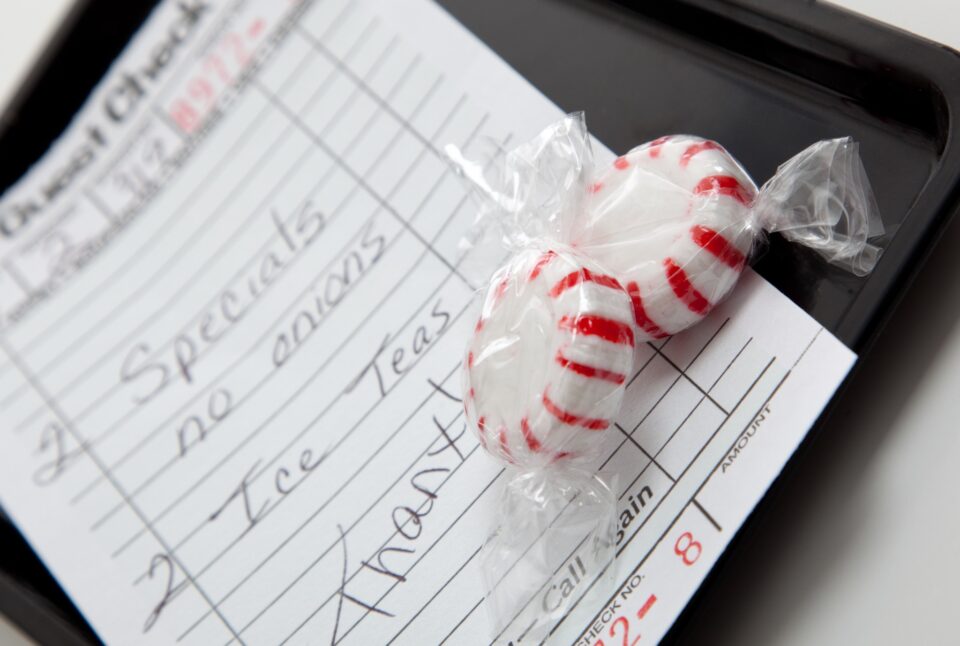
Knowing that statisticians suggest iPhone users tend to be more affluent than Android owners, we can hypothesize how their spending differs.
July 23, 2017

To decide the strength of our economic recovery since the Great Recession, we can use seven numbers or just one that might be most important.
July 21, 2017
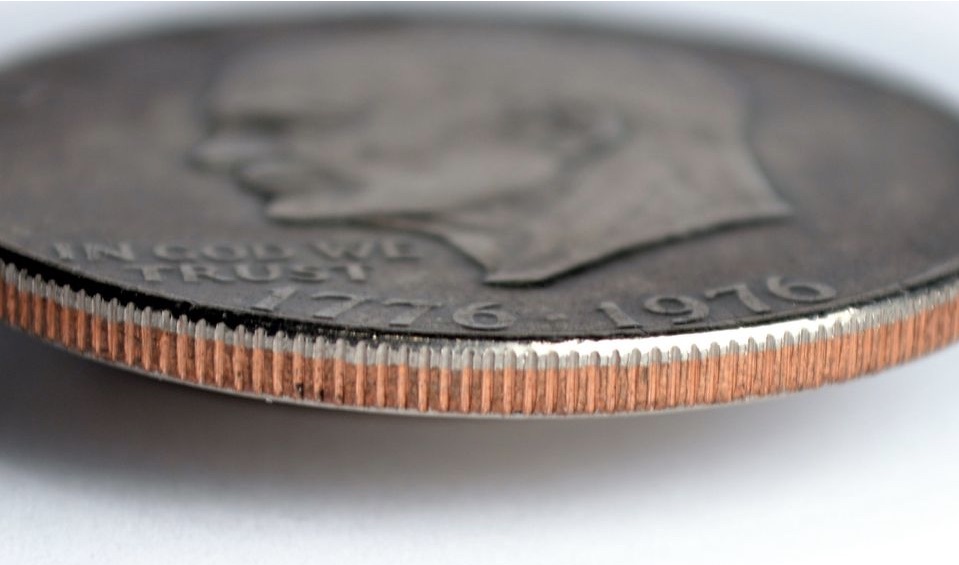
While intuitively, we know the characteristics of money, when we receive a bent coin or a half of a dollar bill, we might wonder if we can spend it.
July 12, 2017

Economists become somewhat similar to weather men and women when their GDP monitor is a nowcast that forecasts the present.
June 2, 2017

Precise numbers can become misleading statistics when politicians, journalists and scholars use them for jobs projections and GDP totals.
May 17, 2017
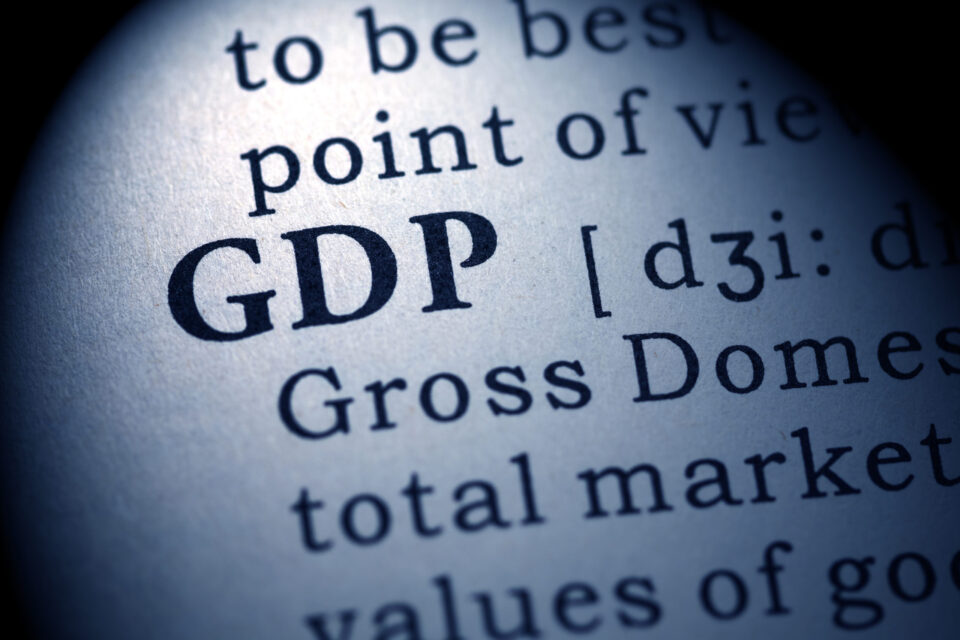
We can better grasp what we mean by the GDP by looking at the numbers and also by comparing its components to an alternative.
May 15, 2017

Holiday spending is about more than Mother's Day when we look at the long list of days, weeks and months that were created to boost a brand or industry.
May 5, 2017

Because the ranking depends on our variables and their definitions, measuring the global gender gap can have surprising results.
May 3, 2017
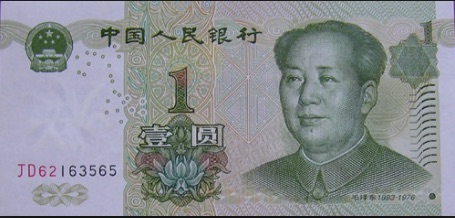





Economists can use nighttime lights from NASA's satellite images of the earth to decide if China's economic growth statistics are accurate.