December 6, 2019
The impact of the economy on our voting patterns is about much more than inflation, unemployment, and how much the GDP has grown.
The impact of the economy on our voting patterns is about much more than inflation, unemployment, and how much the GDP has grown.
Looking at our Halloween spending, we can compare the candy that red and blue states prefer and then see what else we buy.
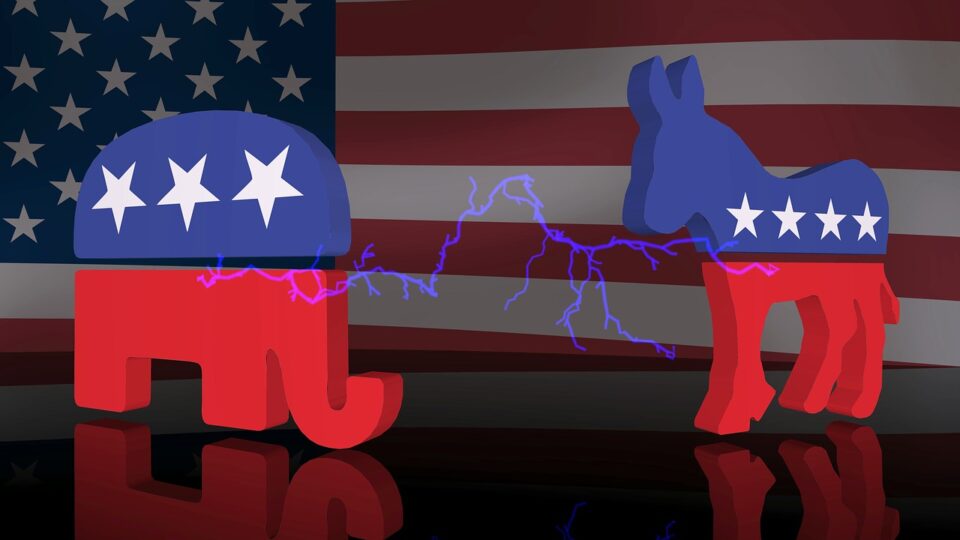
Comparing the locations, incomes, and jobs of Democrats and Republicans, we see America's two economies and a tension between democracy and capitalism.
Ranging from barely budging to a 32 percent increase, the ups and downs of average hourly earnings can be debated, depending on your numbers.
We might find some surprises when we look closely at categories of consumer debt that include credit cards, student and auto loans, and mortgages.
It is likely that the economic uncertainty created by changes in trade regulations will affect business investment, consumer spending, and the GDP.
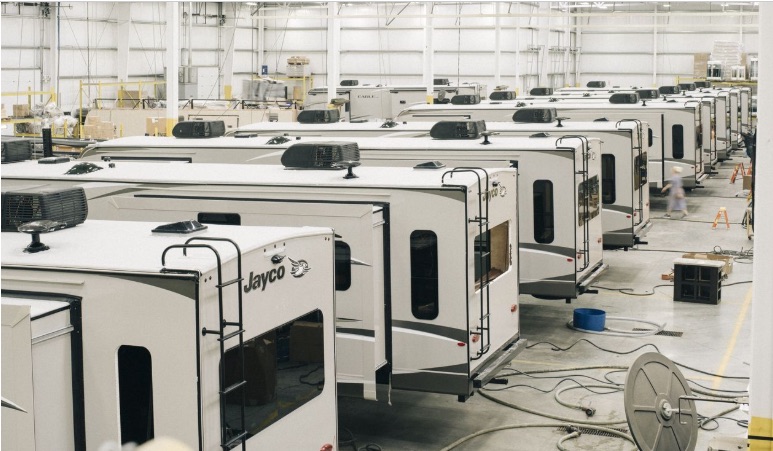
When the economy is starting to contract, we can take a look at a recession indicator in Elkhart, Indiana to forecast the future.
Looking at Italy's debt and beyond at the world, we can worry about massive borrowing that reflects a larger proportion of a country's GDP.
When economists focus on measuring happiness, they look at money and time and health and GDP for conclusions that might not be quantifiable.
Even influencing the kind of car we decide to buy, weather economics can have a surprising impact on the decisions we make as consumers.
Whether looking at a Shake Shack experiment, comparing countries, or focusing on education, we can see differences in the average workweek.
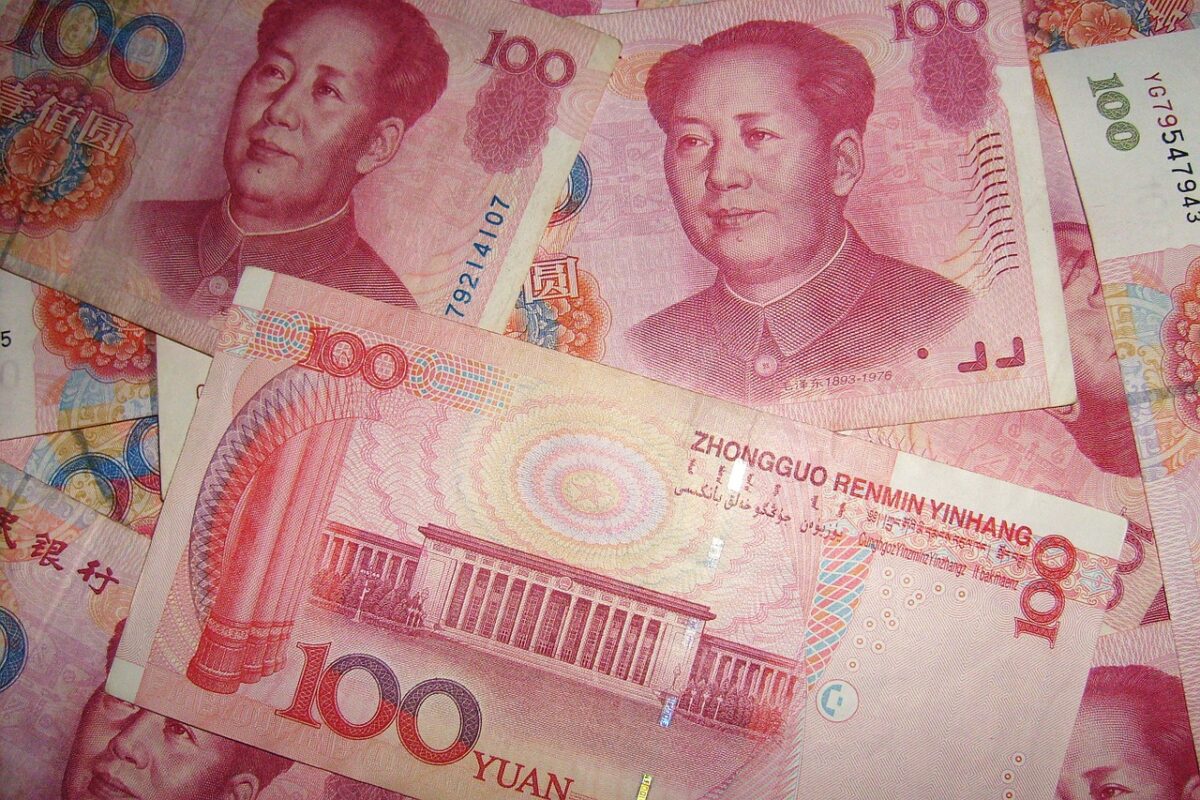
Since the official reports of China's economic slowdown have been questioned, we can use nighttime satellite images and some costume jewelry for answers.