January 21, 2015

With implications that extend beyond sports, believers in classical economics and in behavioral economics are debating whether players can have streaks.
With implications that extend beyond sports, believers in classical economics and in behavioral economics are debating whether players can have streaks.
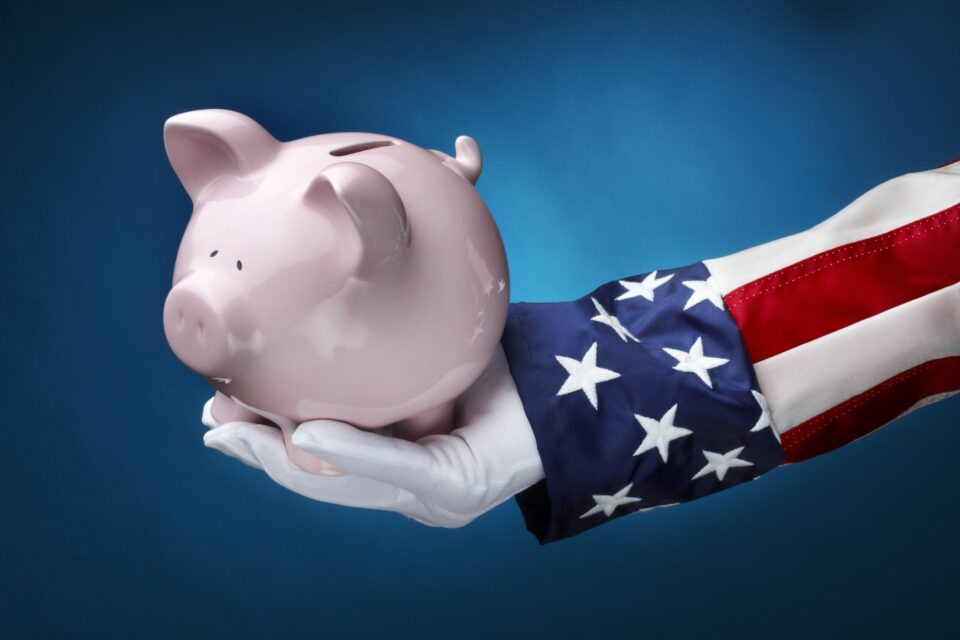
Explained by behavioral economics, we save relatively little for retirement because of intertemporal selfishness and seeing our future selves as strangers.
With the House requiring dynamic scoring of tax legislation from the CBO, the bigger tax debate resurfaces on how much redistribution and spending.
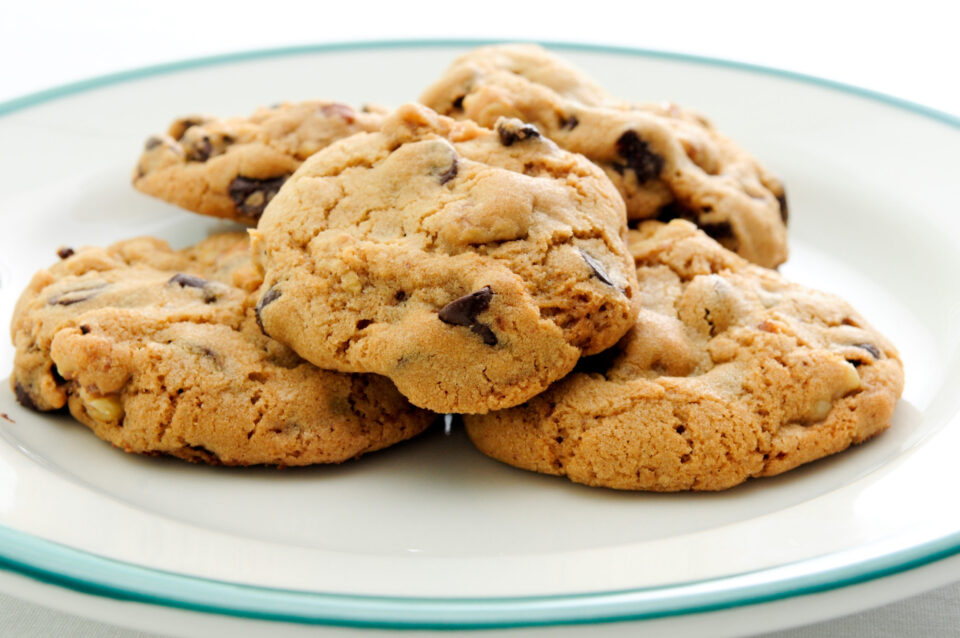
Explained by Alfred Marshall and evident at restaurant buffet tables, the idea of diminishing marginal utility shows how marginal analysis is valuable.
Behavioral economic ideas show that product differentiation and consumer preference are more from branding than the taste of colas or beers.
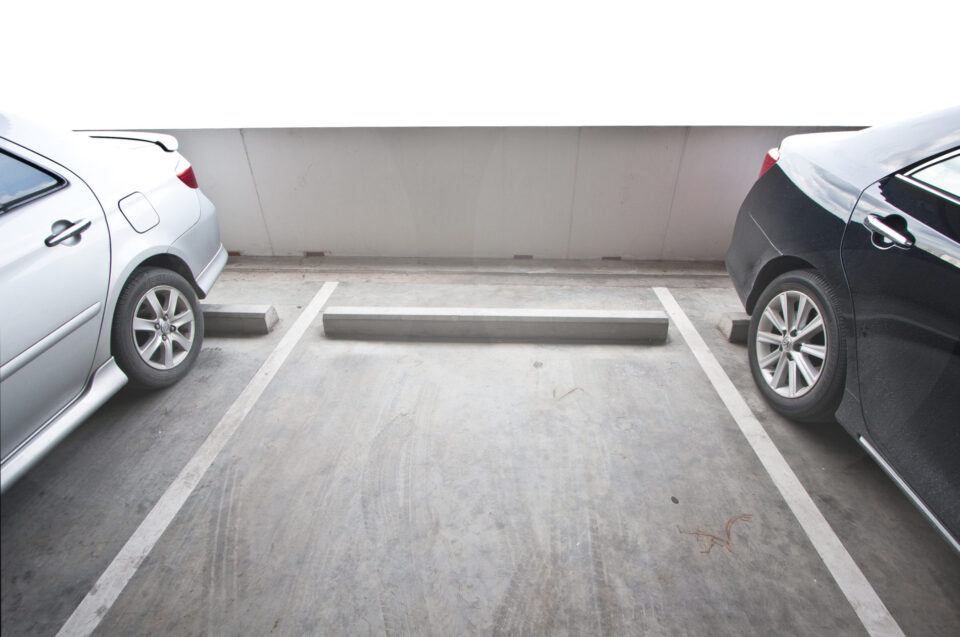
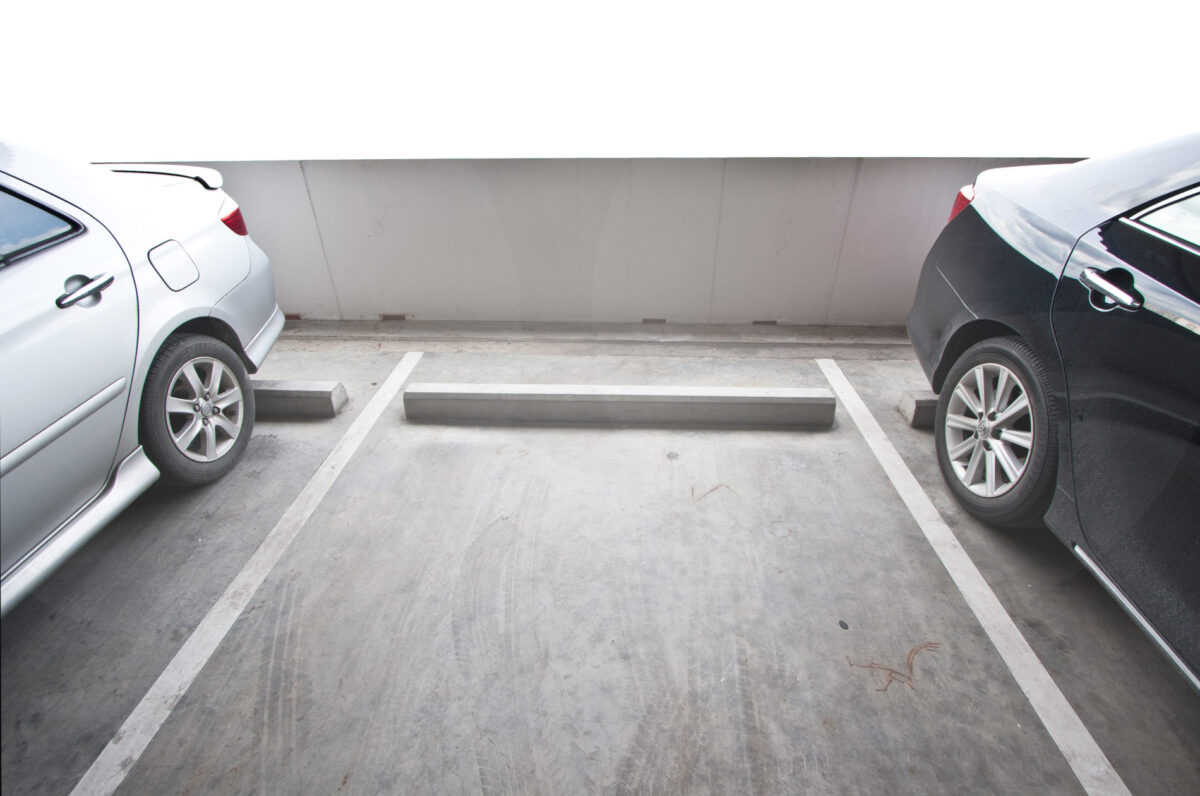
Including congestion, wasted gas, time and emissions, cheap parking creates negative externalities that variable pricing of parking spaces can eliminate.
Relating income inequality to the stress felt by low status Bolivian Tsimane men and academy award losers, researchers said that stress that harms health.
Illustrated through word use and data selection in research, politically liberal and conservative economists display a tendency toward confirmation bias.
Increasing income inequality by moving from communal farming to individual plots, Plymouth Colony Governor William Bradford changed income redistribution.
A single statistic like the unemployment rate for Japan, the European Union and the U.S. can be misleading until we look more closely at what it represents.
Very long term federal debt that has no date for redemption like UK First World War bonds and U.S. Revolutionary War debt depend on good public credit.