August 24, 2015

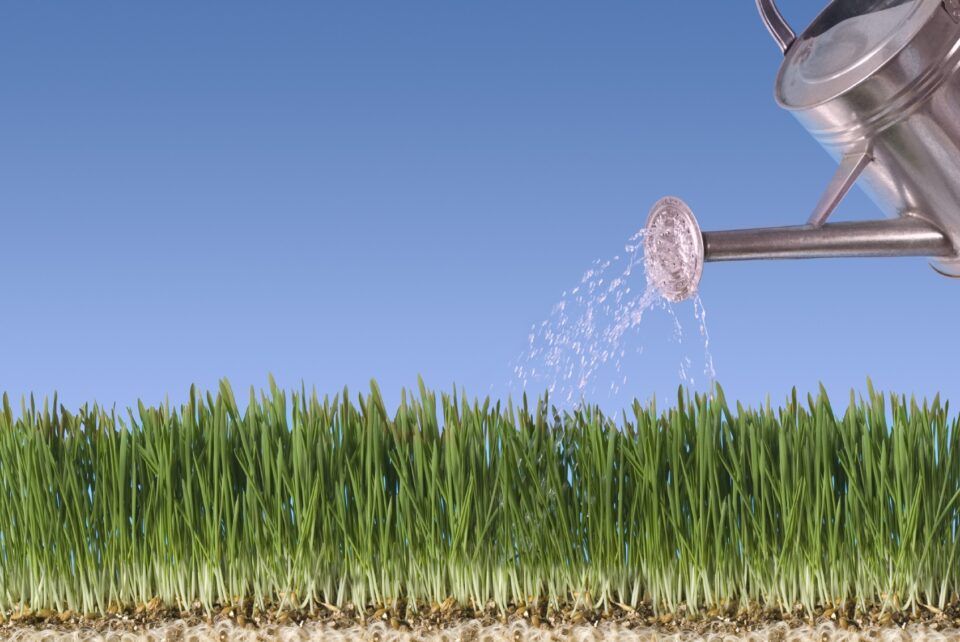
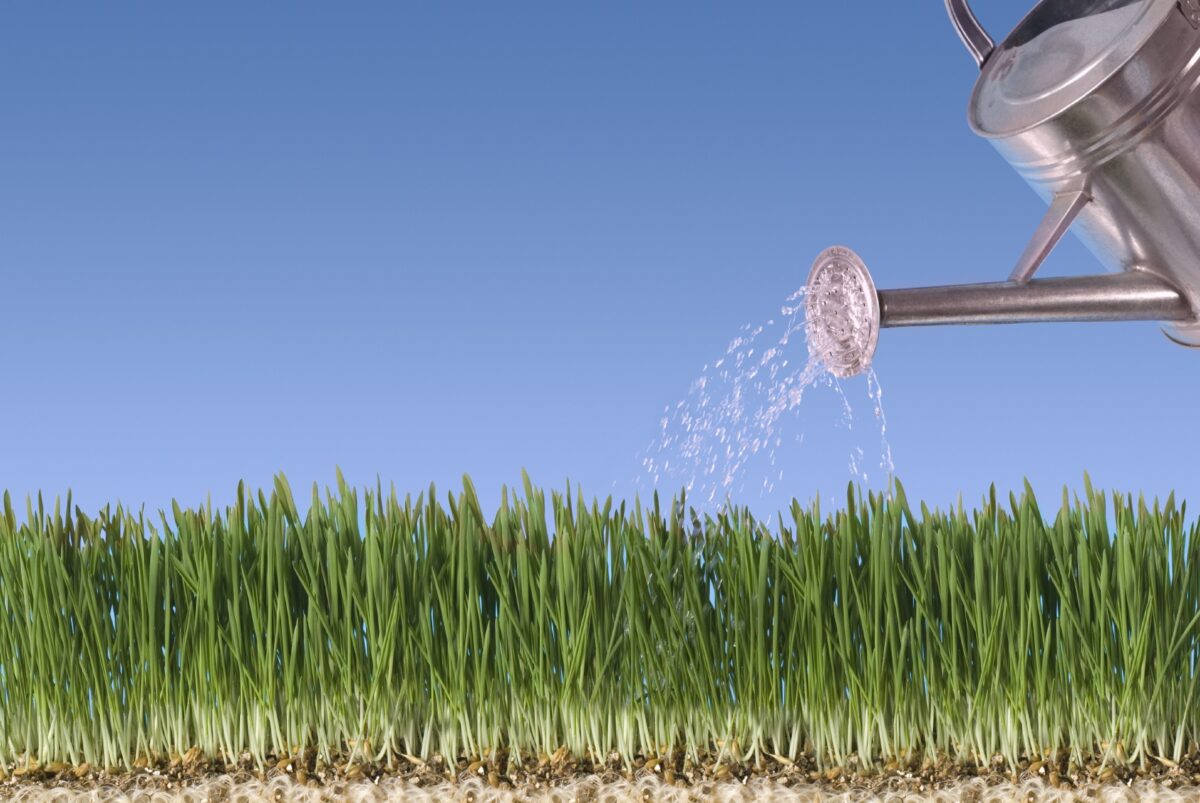
Nothing but grass, lawns began as conspicuous consumption from the English and French aristocracy and now are a middle class manicured status symbol.
Nothing but grass, lawns began as conspicuous consumption from the English and French aristocracy and now are a middle class manicured status symbol.
As we improve our transportation infrastructure, the roundabout has become increasingly attractive because of safety, ease and cost.
Personal income relates to how long we sleep. Less sleep can diminish the productivity that brings a higher wage. But also, less sleep means more work time.
Although people in the eurozone want a single currency and their leaders want unity, monetary union problems create political distrust and disunity.
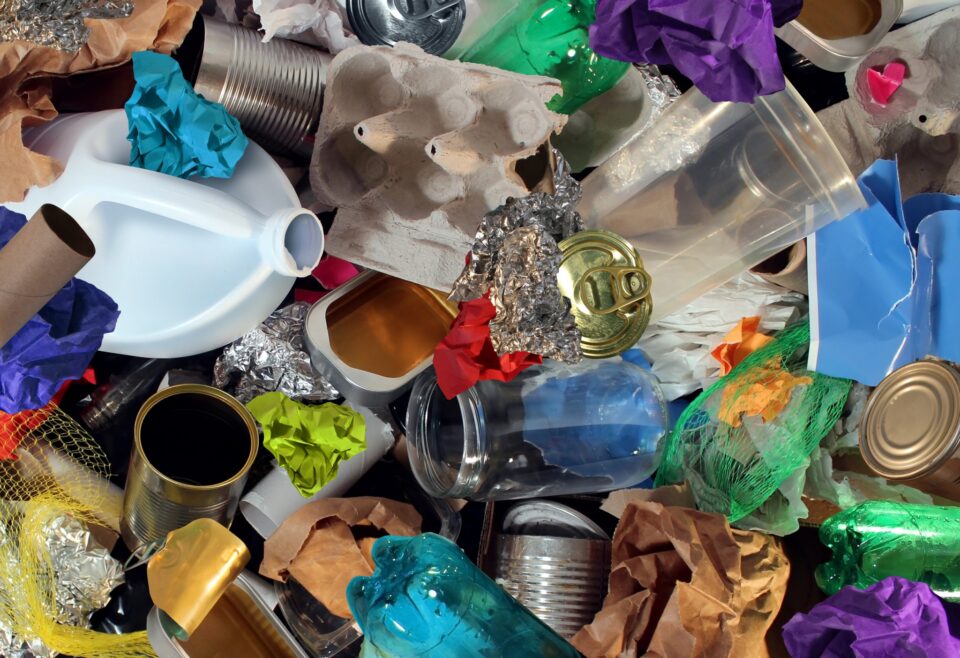
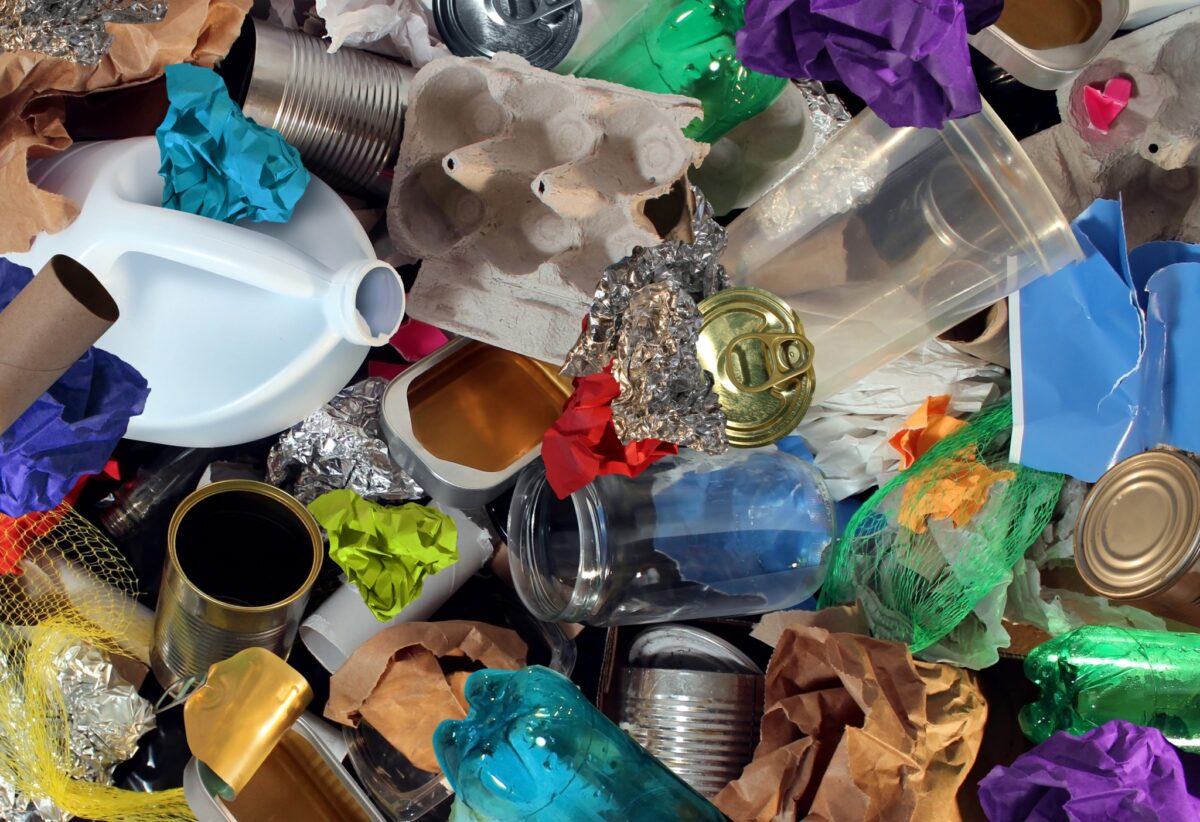
Weighing cost and benefit for Seattle's recycling environmental regulation involves privacy, dollars, time, and respect for the law and our environment.
Focusing on production and distribution, economists look at the role of markets and of government when they try to determine what causes and ends famines.
The reasons for relatively smaller increases in U.S. productivity are a mystery that could involve understating the new sharing/data economy.
Regulation can have unintended consequences. With football helmets or seat belts or even financial regulation, protection can create more reckless behavior.
To grasp the huge size of the U.S. GDP we can identify countries that have similar nominal output to individual states like California and Brazil.
Through a cost and benefit approach to crime control, the limited money available for municipal spending can be spent most efficiently.
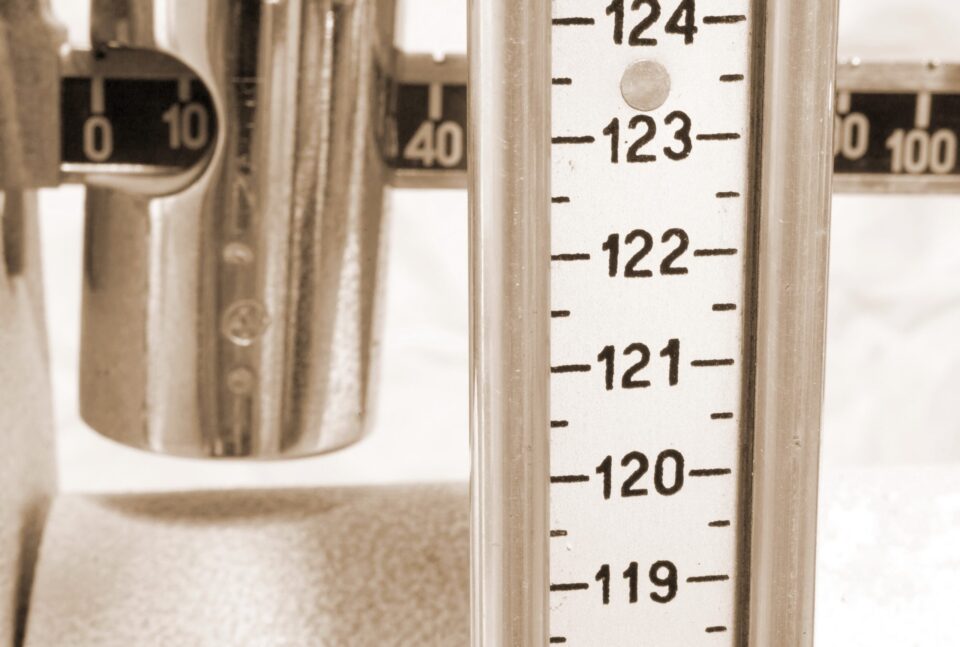
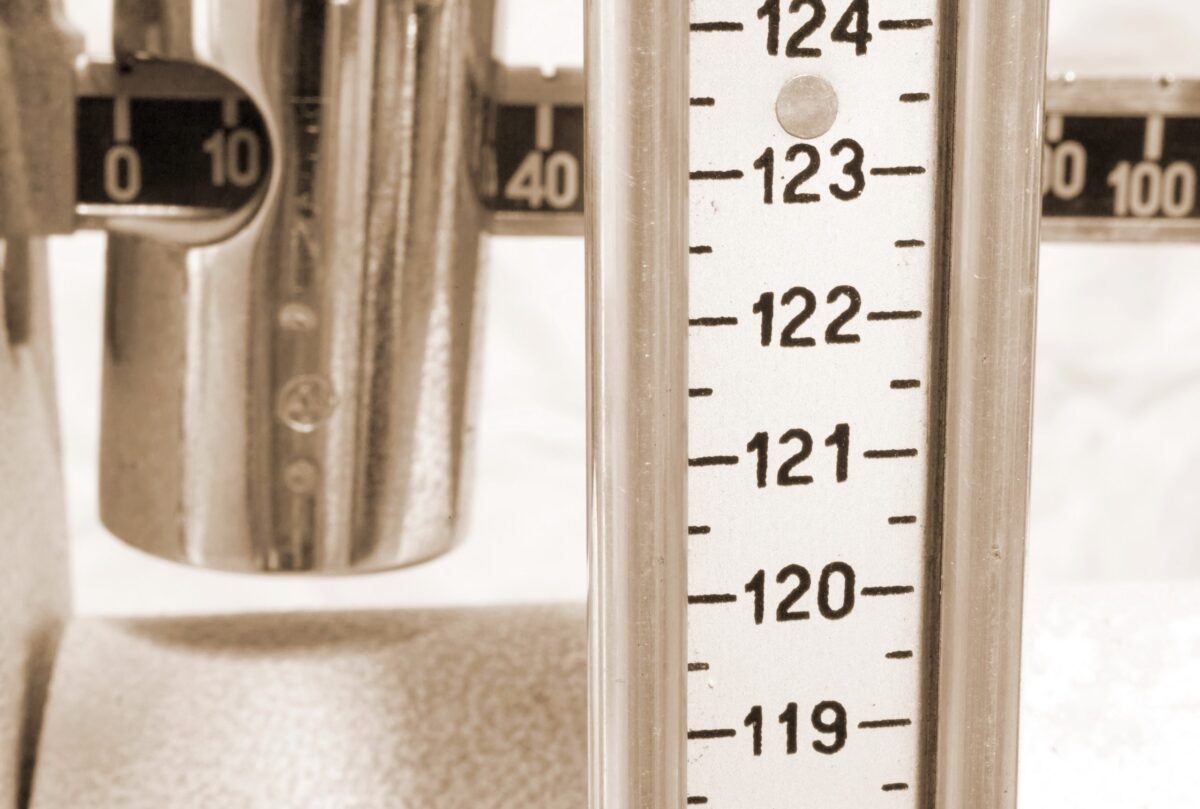
Long assumed to have a direct relationship, the connection between height and GDP becomes more complex when we compare India and Africa.
Investigating intrinsic and extrinsic incentives, researchers have explained why money does not always promote positive performance.