March 7, 2017

Surprisingly significant, the EU's opposition to blue wine reflects how regulation constrains the innovation that creates productivity and economic growth.
Surprisingly significant, the EU's opposition to blue wine reflects how regulation constrains the innovation that creates productivity and economic growth.
To find out if a relationship will last, you can ask the New York Federal Reserve Bank about credit cards and assortative mating.
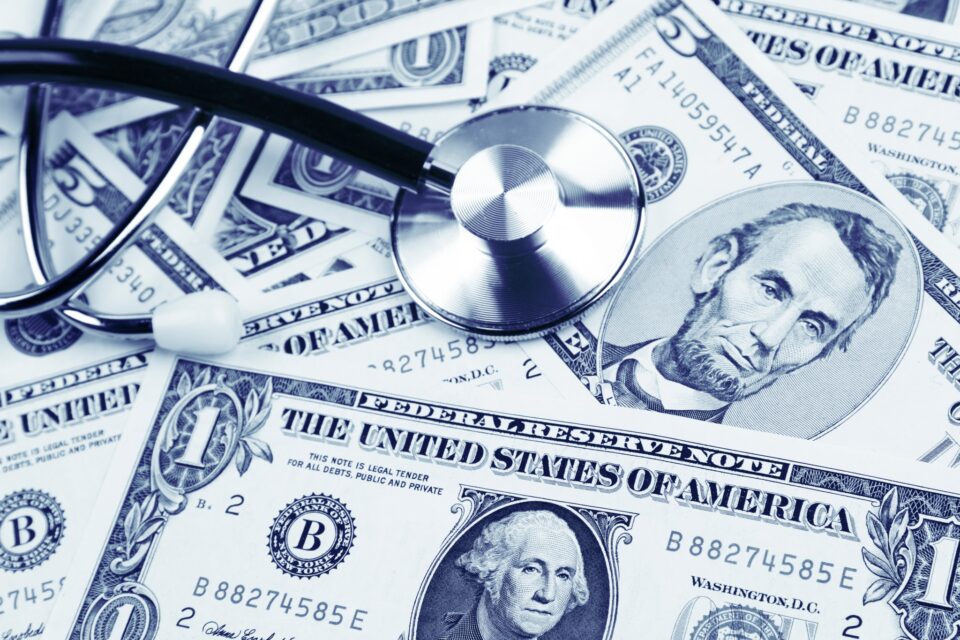
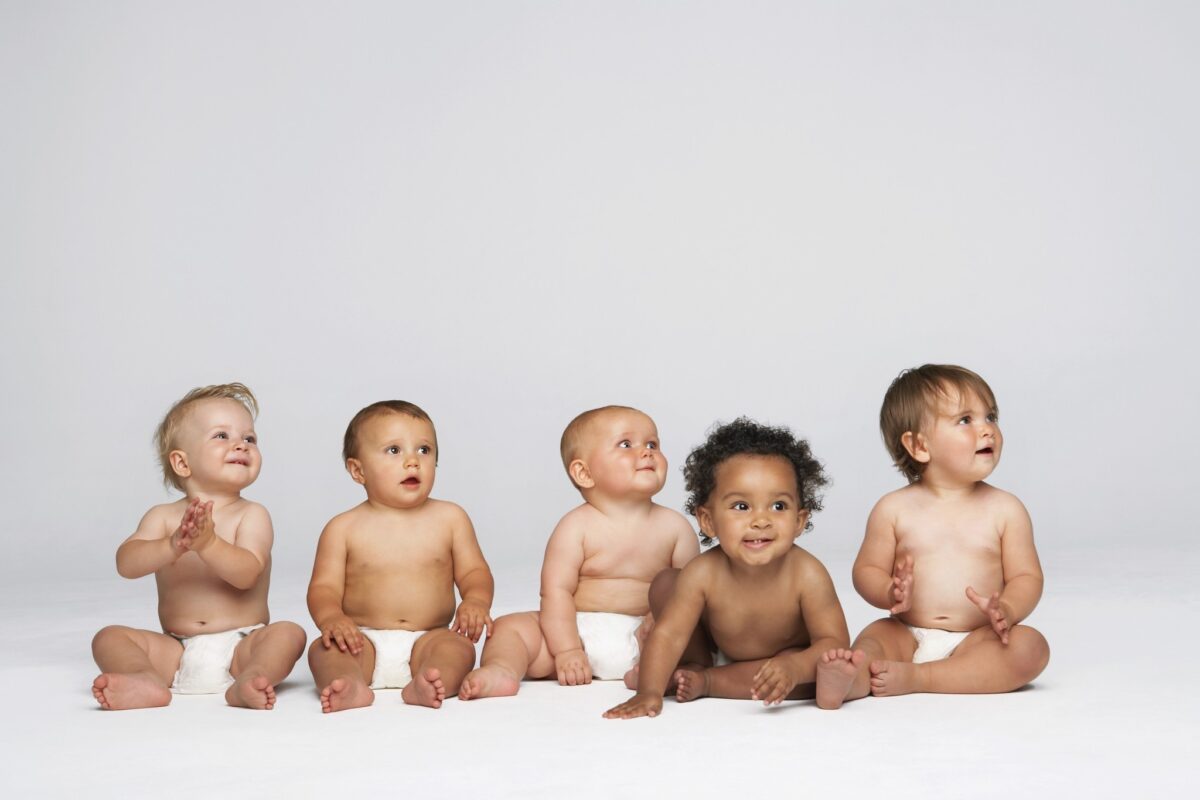
When the Netherlands pays for a mother's first week at home after child birth, we get a message about their healthcare coverage.
Whether increasing tax compliance or discouraging public urination, behavioral economics can encourage socially desirable behavior with the right nudges.
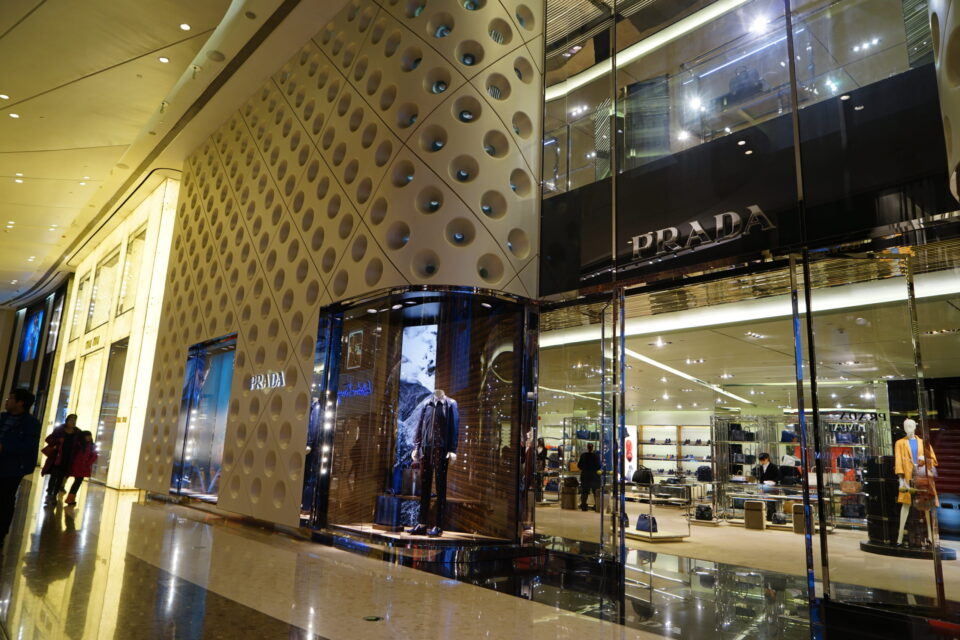
As the early 20th century interior decorator who rejected Victorian design, Elsie de Wolfe also created the first group of aspirational shoppers.
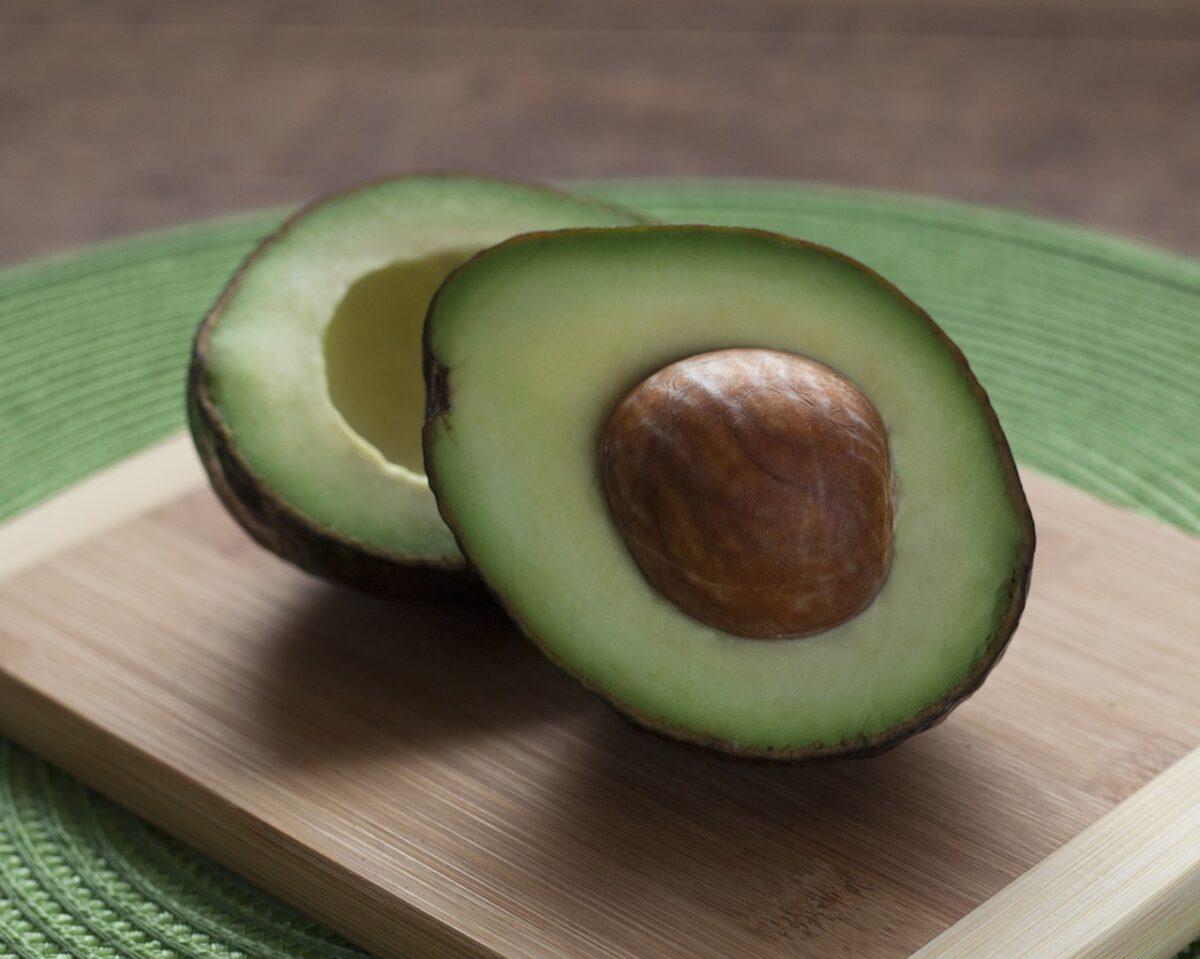
Because our avocados, onions, tomatoes and peppers could have come from Mexico, NAFTA changes will mean guacamole changes.
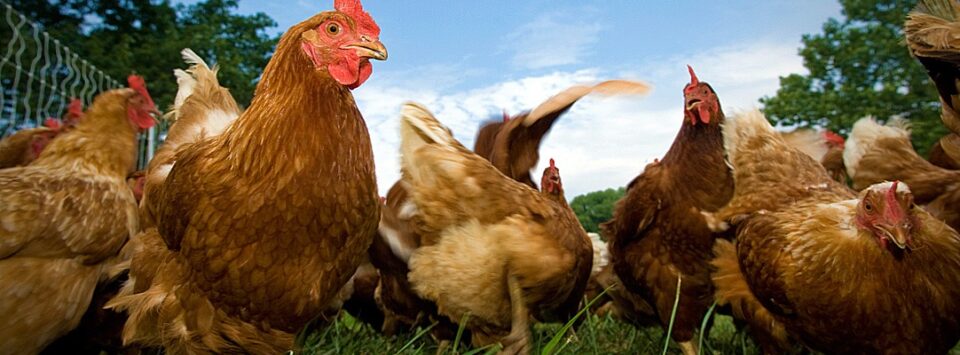
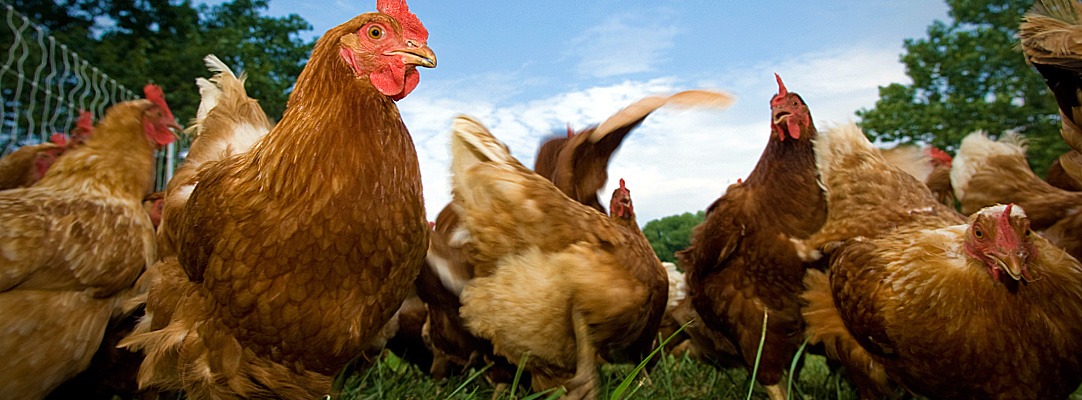
When German farmers got a chicken tax to protect them from U.S. poultry imports in the 1960s, the results were unexpected.
Upsetting the conventional wisdom, researchers recently found millions of "non-existent" women who could enter Chinese marriage markets.
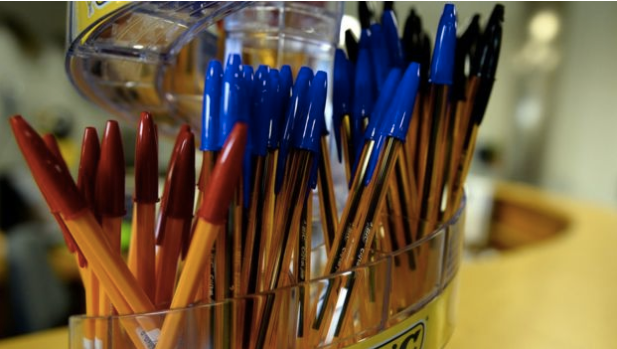
Until Chinese innovation produces better ballpoint pens, the tips for billions of exports will have to be imported from Germany, Switzerland and Japan.
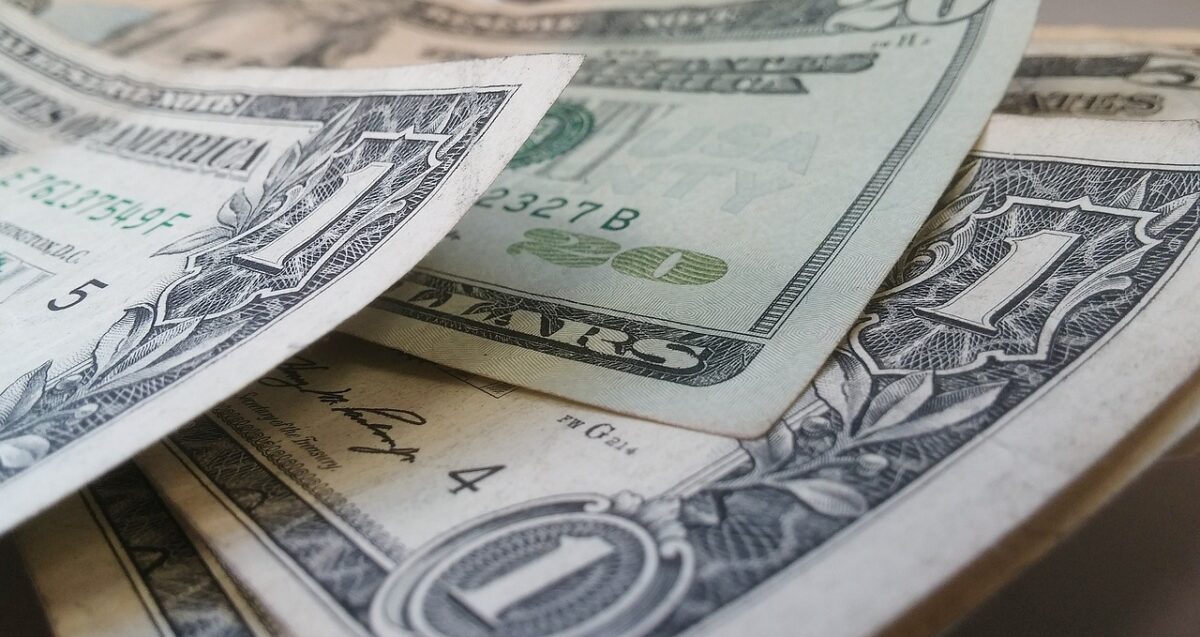
Far beyond the change in our spending, a cash free economy would have an impact on our bacterial immunities and our neurology.
During the past 40 years, Brazil's fertility rates declined. One cause was the new values that soap operas conveyed to an uneducated rural population.
Monetary incentives can influence a decision and distort the information we access for our cost and benefit research.