May 3, 2018

Describing why we'll have new hotel shampoo bottles, Marriott, a hotel guest, and an economist would have different explanations.
Describing why we'll have new hotel shampoo bottles, Marriott, a hotel guest, and an economist would have different explanations.
Behavioral economists can explain why are lured into buying a year's subscription for movie watching and other media that we barely use.
Whether we look at a cartoon on women's "mental load" at home or a recent study on the gender pay gap in Denmark, the problem is the mommy penalty.
A paradox explains why our concern for wildlife conservation might not extend to the charismatic animals we most care about.
Deciding which groups should give which should receive, government redistribution policies could be based on a generational lens.
Whether looking at chicken paws or hog hooves, U.S. and China food tastes have worked well together until U.S. and Chinese tariffs have upset the benefits of the relationships.
The economic way to demonstrate sadness is to look at misery indexes that use macro data to measure changes in our emotions.
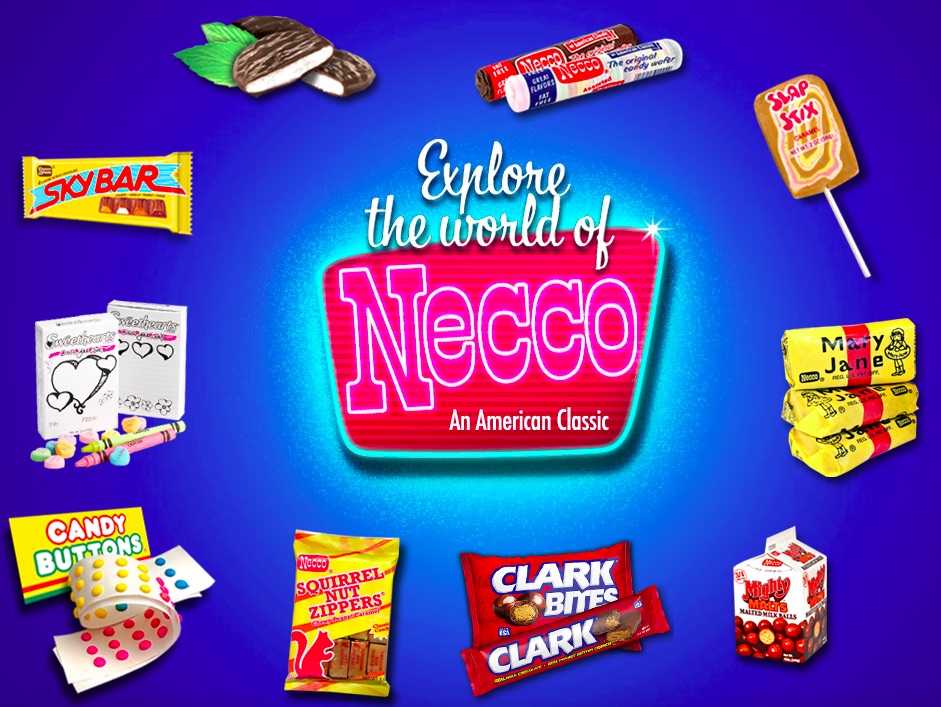
Told that their least favorite candy might no longer exist, people are panic buying NECCO wafers and Sweethearts because the New England Confectionary Company could shut down.
While facts about China's wine imports from the U.S. are somewhat surprising, still the impact of a tariff war is predictable.
Not as devastating as the retail changes at the mall, the supermarket grocery shopper is also switching to new buying habits.
Looking at our day-to-day emotions and our life evaluation, recent studies give us some answers about whether money brings happiness.