January 10, 2019

Looking at Sweden's steadily rising carbon tax, we can ask what it is, what it does, and why the people accept so high a rate.
Looking at Sweden's steadily rising carbon tax, we can ask what it is, what it does, and why the people accept so high a rate.
A look at the NASA shutdown reveals the massive human cost and the programs that are affected when an agency is suddenly unfunded.
To see why another partial government shutdown is a possibility, we can look at the Congress's continuing resolutions (CRs).
The six facts that summarize world debt identify the big borrowers, the risky borrowers, and the criteria for deciding how much to worry.
When Seattle tried using Democracy Vouchers to support campaign finance, the results were not entirely what they had expected.
Just combine Google Street View big data on 22 million cars with researchers at Stanford University and you learn lots about all of us.
Although the U.S. budget deficit just hit a five-year high, an economist could explain why politicians and voters are not worried.
Typically we look at our national wealth through a fiscal or GDP lens when we might get a better picture by using a balance sheet.
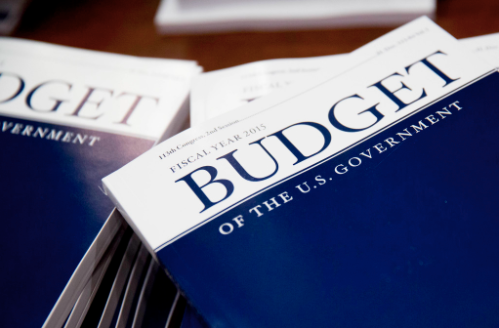
The six facts that we need to know about the federal budget include spending, taxes, borrowing, and where we could wind up.
Approved by many of us, free tuition programs like the one at NYU Medical School create misdirected incentives that diminish their success.
Usually associated with jobs, now the outsourcing that relates to carbon emissions embedded in globally traded goods will be limited by California.
Through just six facts about the U.S. debt, we can get a pretty good picture of what it is, who funds it, and where it might go.