March 20, 2020
By smelling the economy in New York City, London, and Barcelona, we can answer questions about past and present production.
By smelling the economy in New York City, London, and Barcelona, we can answer questions about past and present production.
Formulating coronavirus policy, politicians and physicians can look at the successful non-pharmaceutical interventions during the 1918-1918 pandemic.
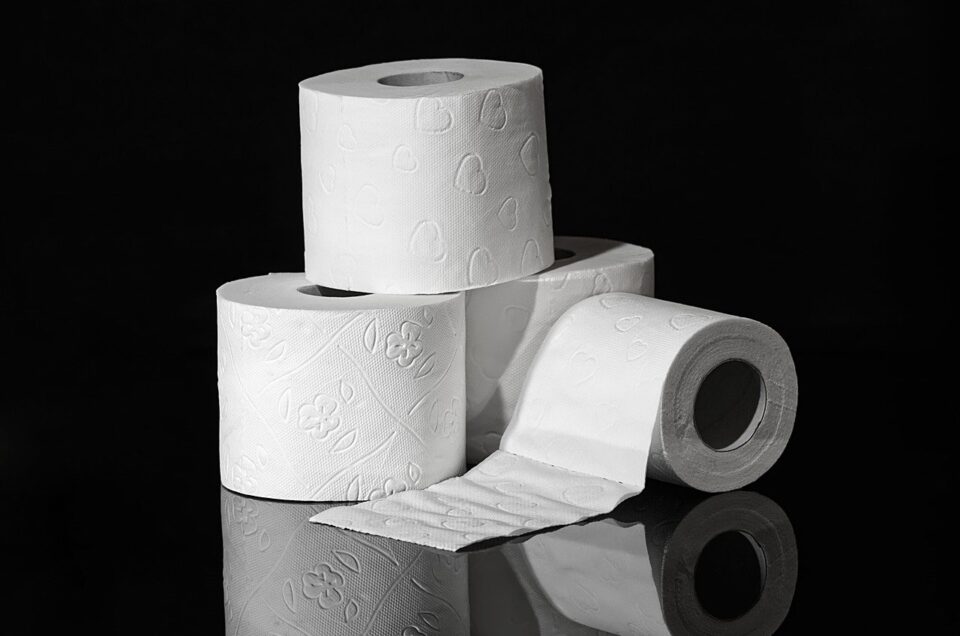
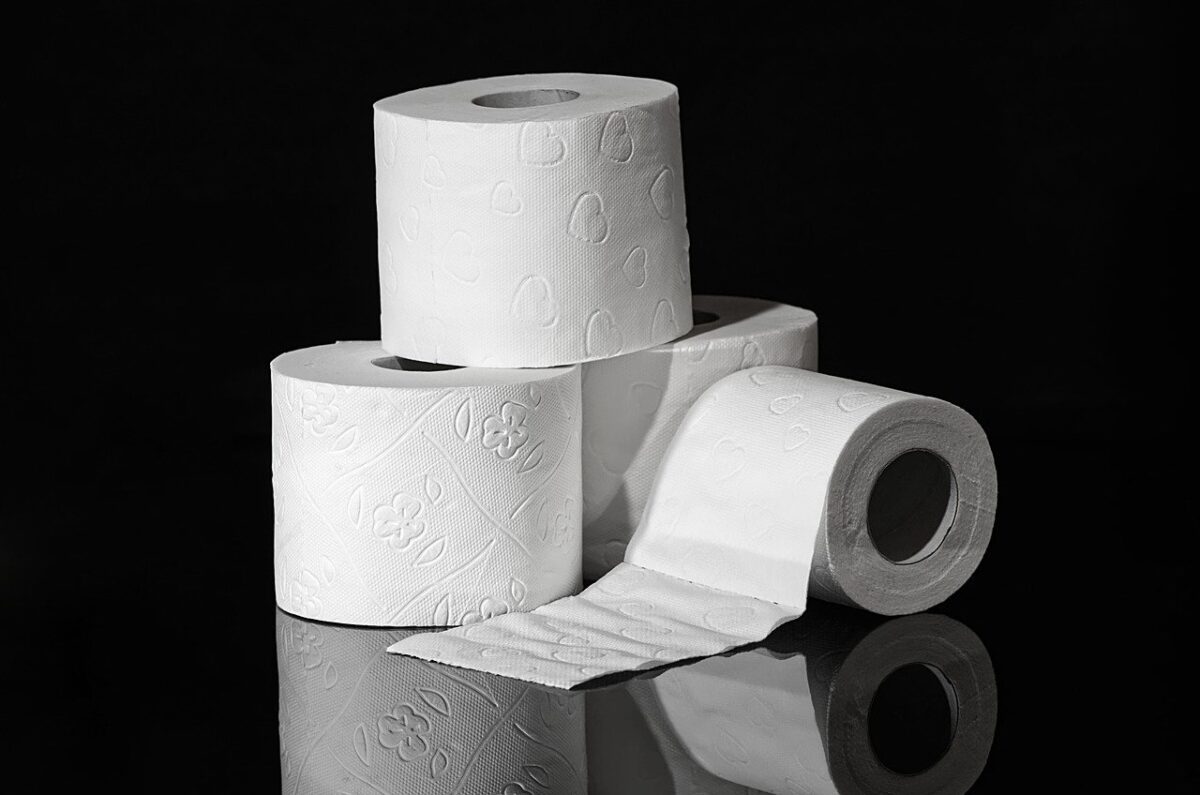
Looking for the global side of toilet paper shortages, we can go to Australia or New Jersey, and to toilet paper imports, exports, and tariffs.
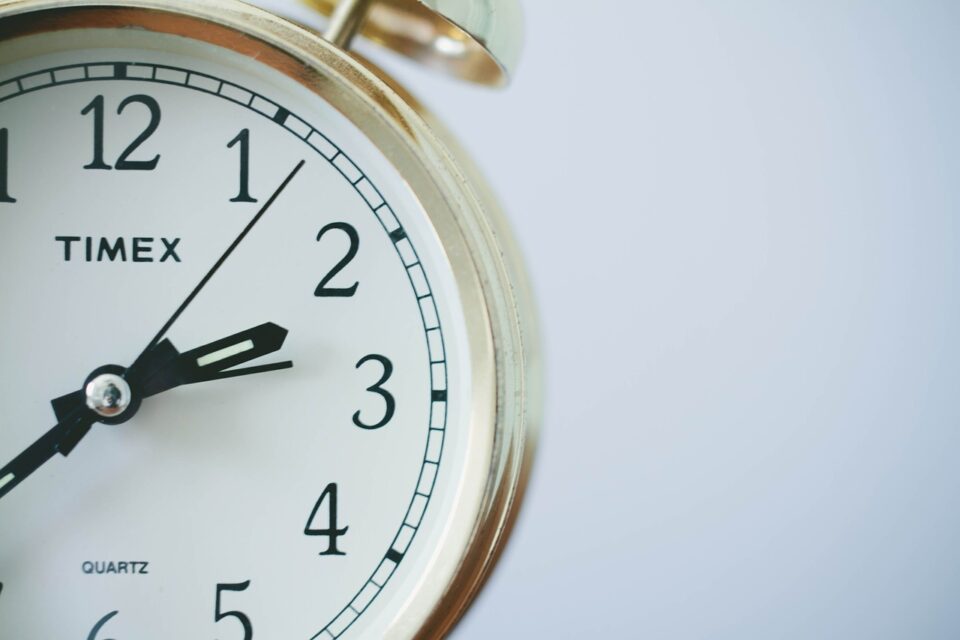
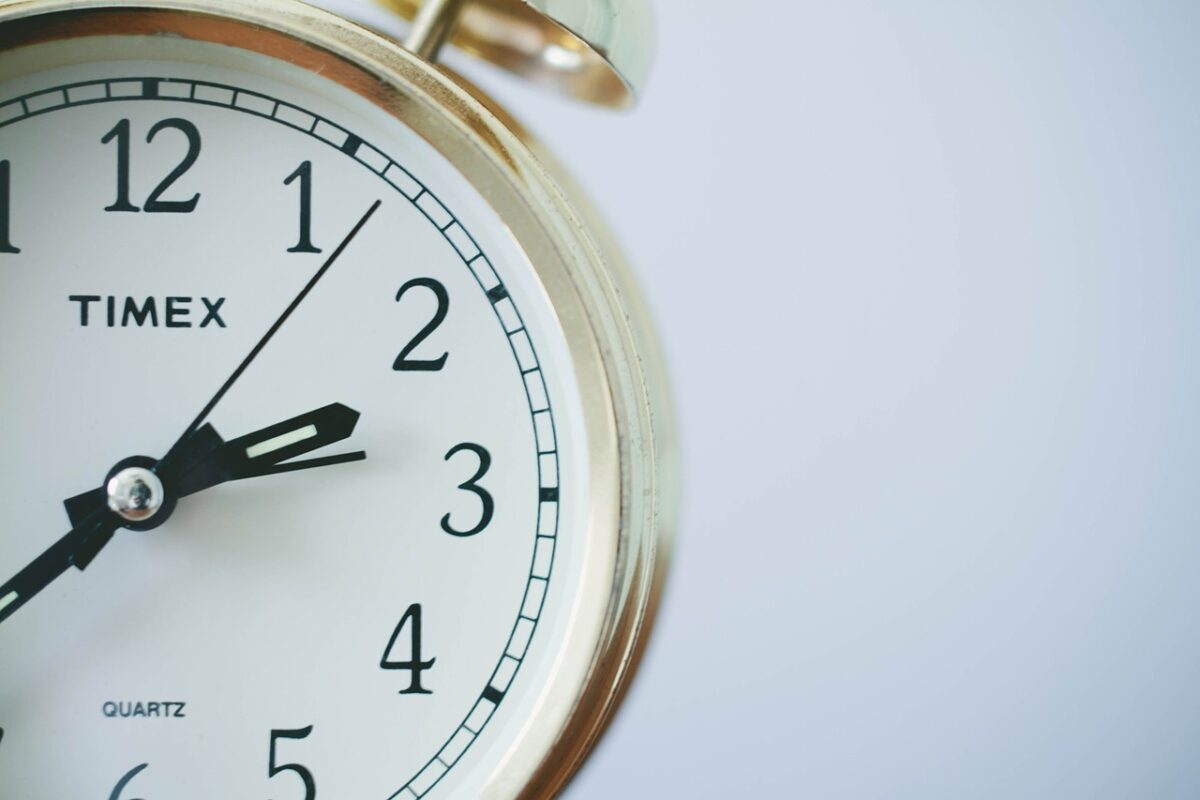
Whereas many of us ask whether we should switch between daylight saving time and standard time, the question is not quite so simple.
When the makers of toilet paper, sneakers, and clothing use less-waste design, they wind up creatively combining resources.
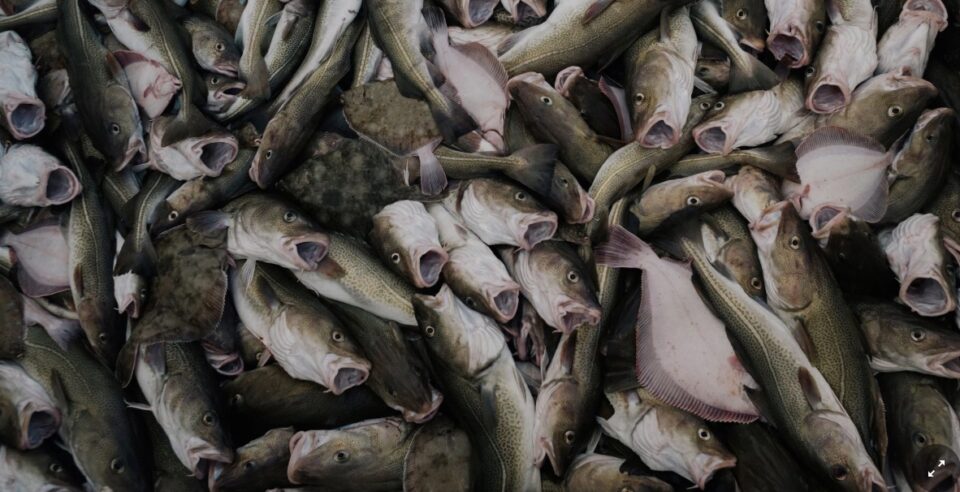
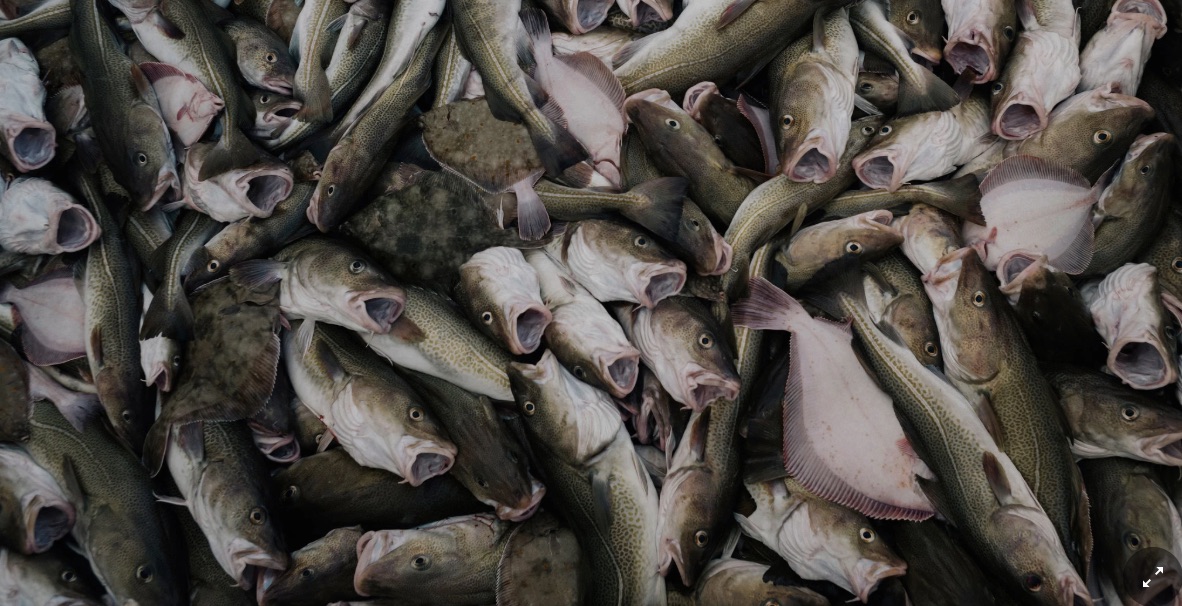
When global warming causes fish migration, the impact involves much more than species survival, nutrition, and ocean temperatures.
Much more than if the McDonald's McRib were always available, its demand soars because of limited availability each year.
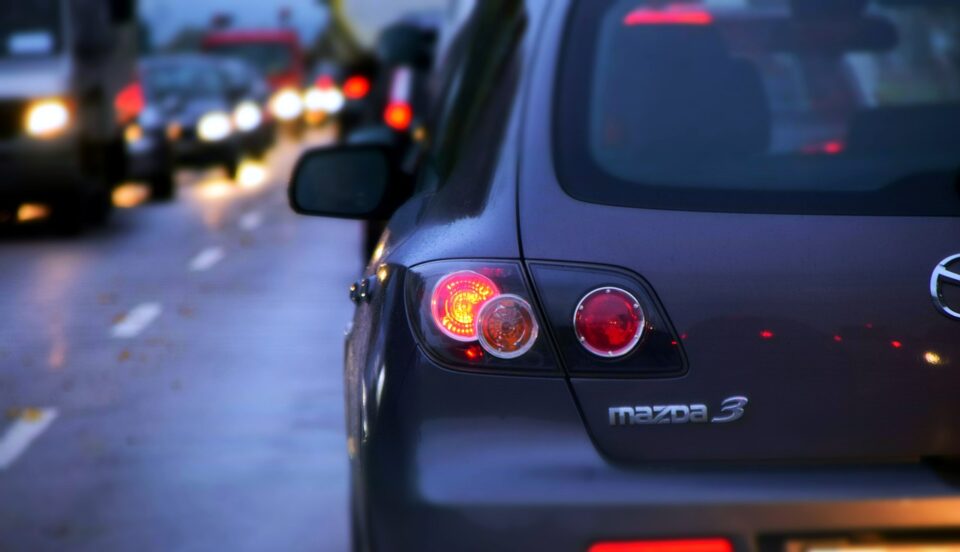
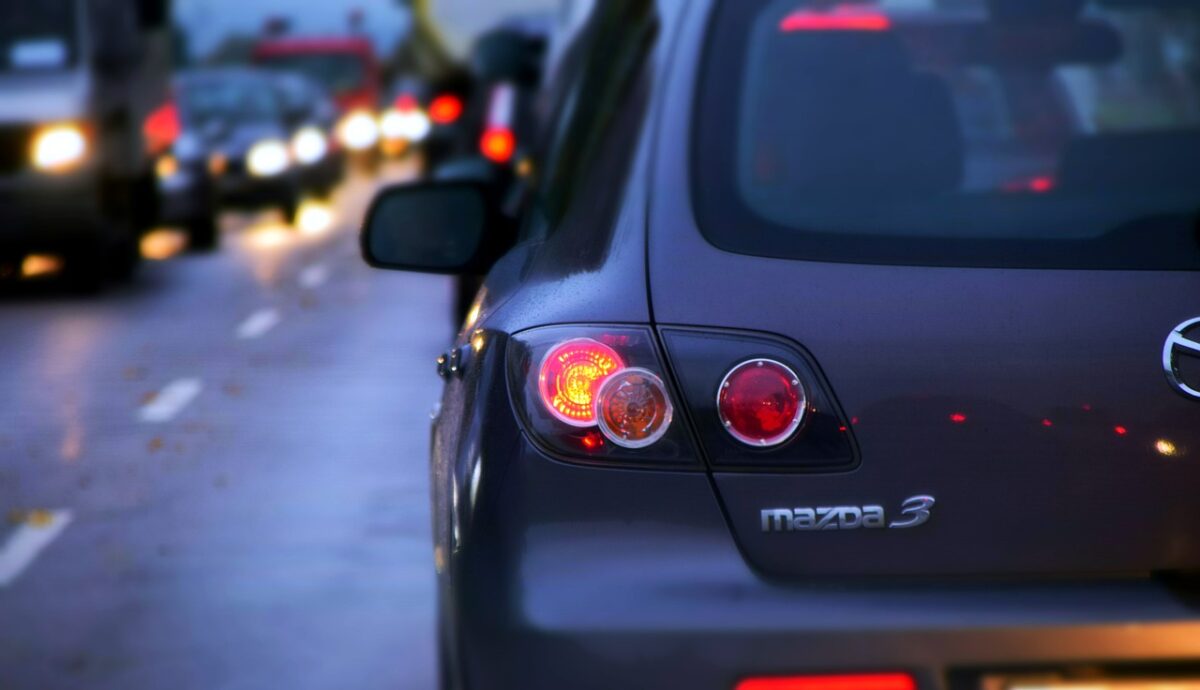
As the downside of low unemployment, traffic congestion can have an invisible cost that relates to time, gas, and aggravation.
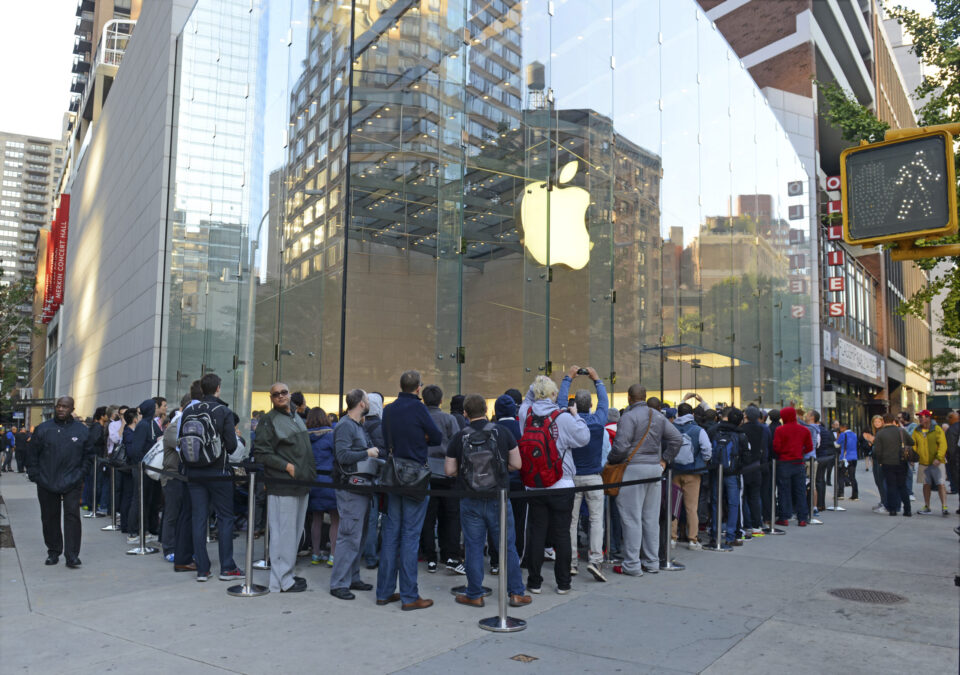
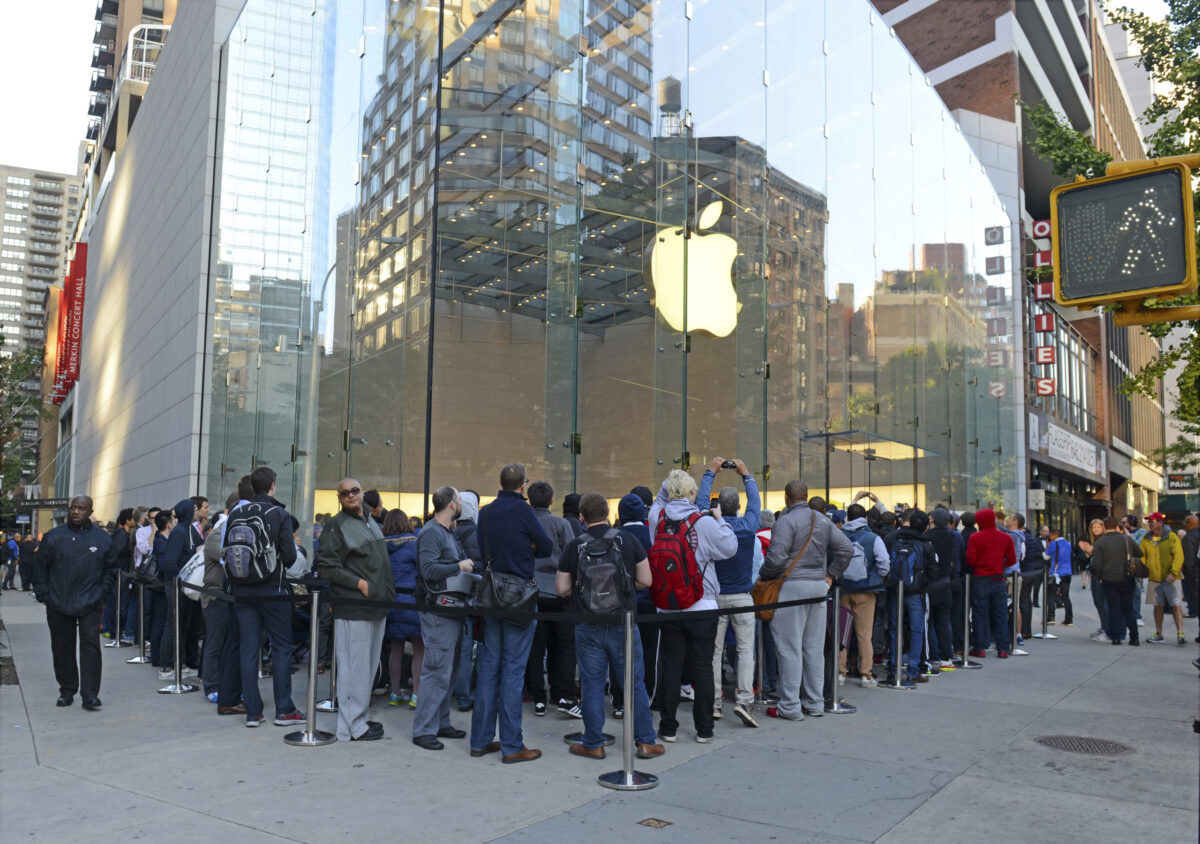
Because hours could be spent waiting in line for a theater ticket, a great piece of pizza, or a Thanksgiving Day Parade spot, you can hire a line sitter.
Combining financial and ecological incentives, the London Zoological Society is encouraging investors to buy rhino bonds for rhino conservation.
While the average life in the United States has 42 million minutes, the cost of spending time can depend on our wealth, where we live, and our age.
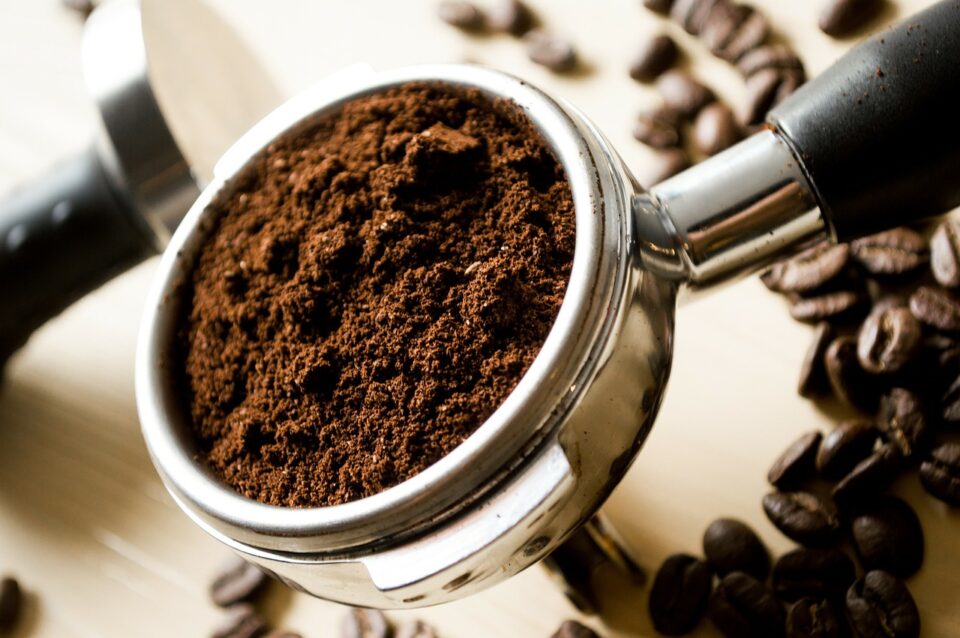
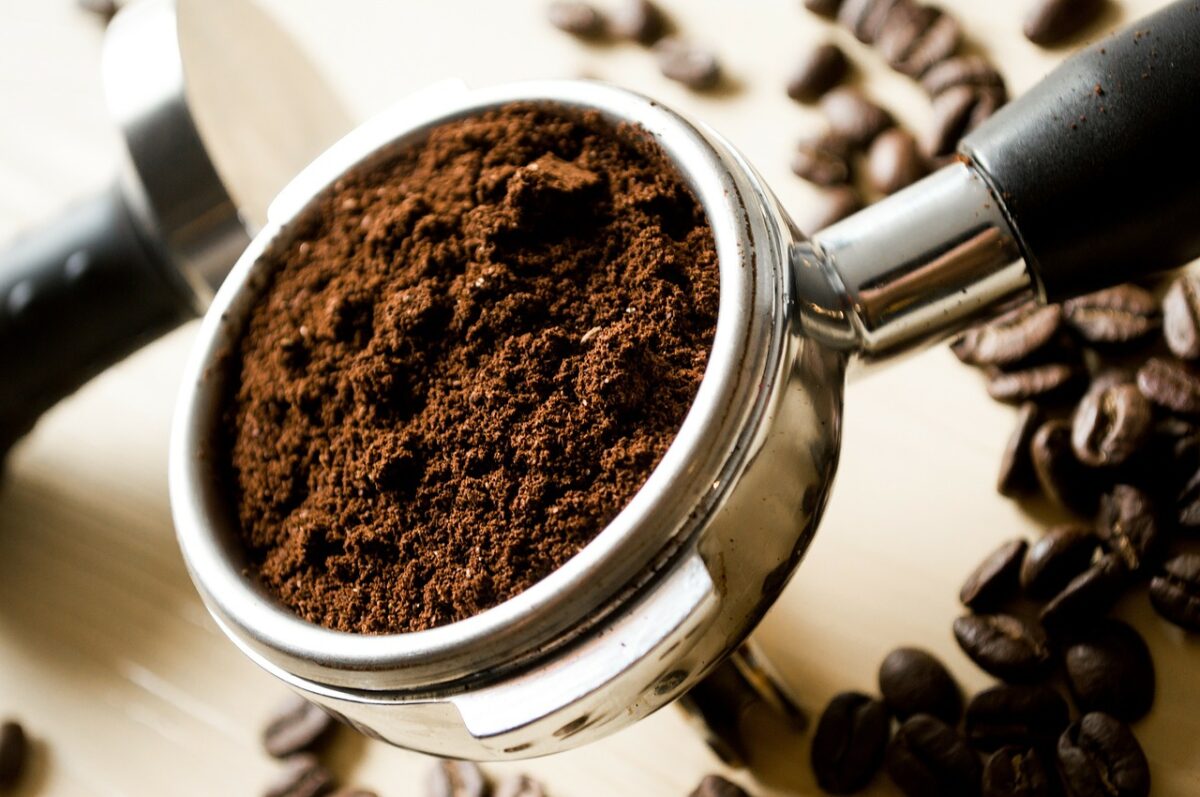
Whether it relates to coffee grounds or new clothing patterns, zero waste design can optimize economic efficiency in surprising ways.