May 27, 2020
Ranging from tacos to dumplings to General Tso's chicken, our state-by-state quarantine takeout preferences are different.
Ranging from tacos to dumplings to General Tso's chicken, our state-by-state quarantine takeout preferences are different.
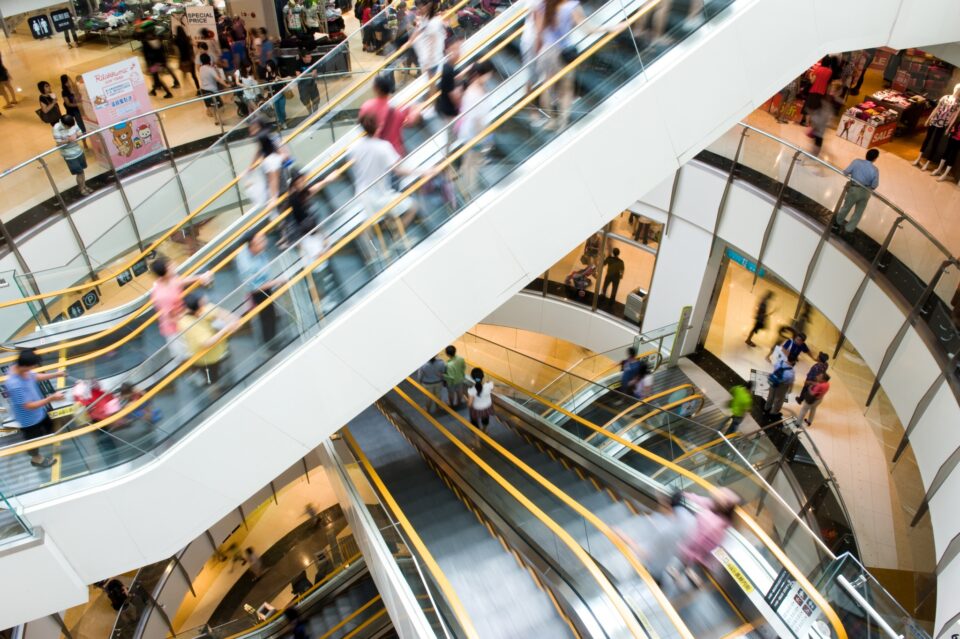
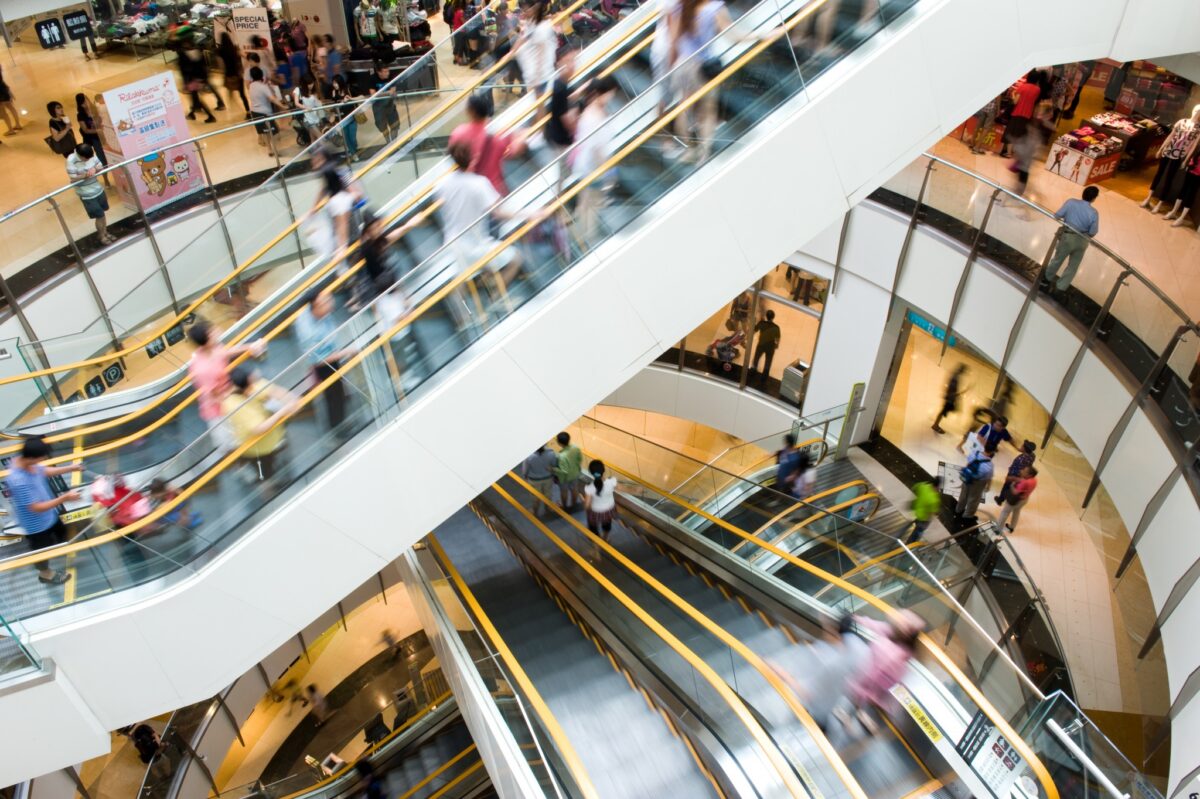
Looking at the first shopping mall and its evolution, we can see how its original concept will now be turned upside down.
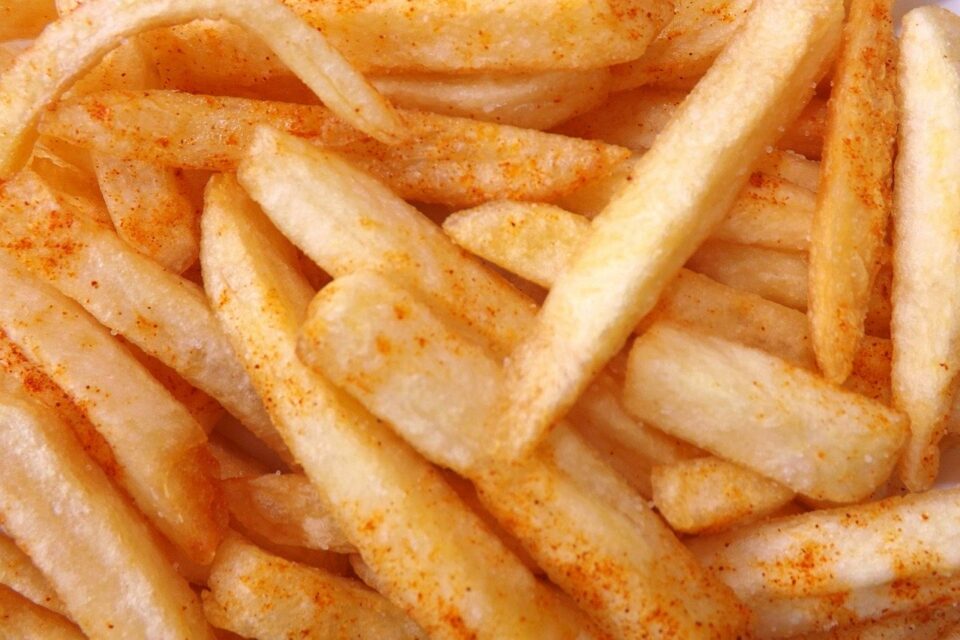
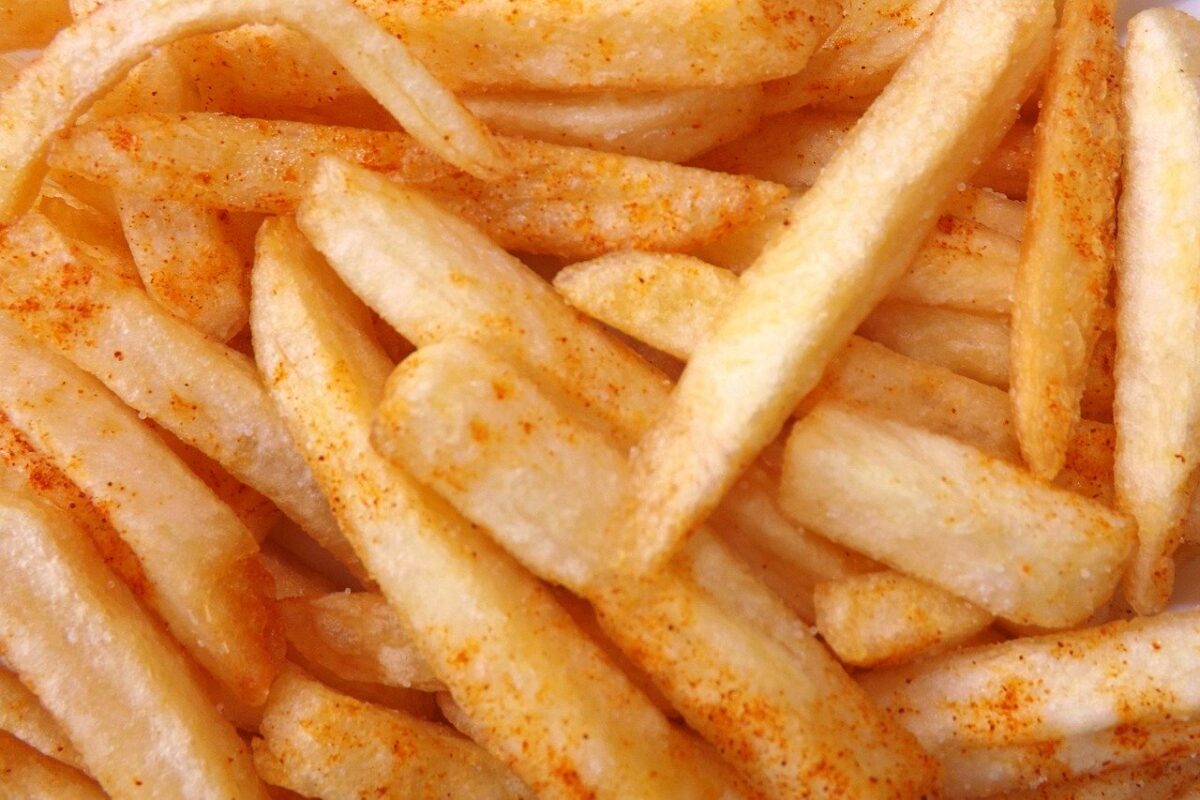
Global lockdowns have created supply problems for Belgian French fries and French cheese because households cannot make up for decreased commercial demand.
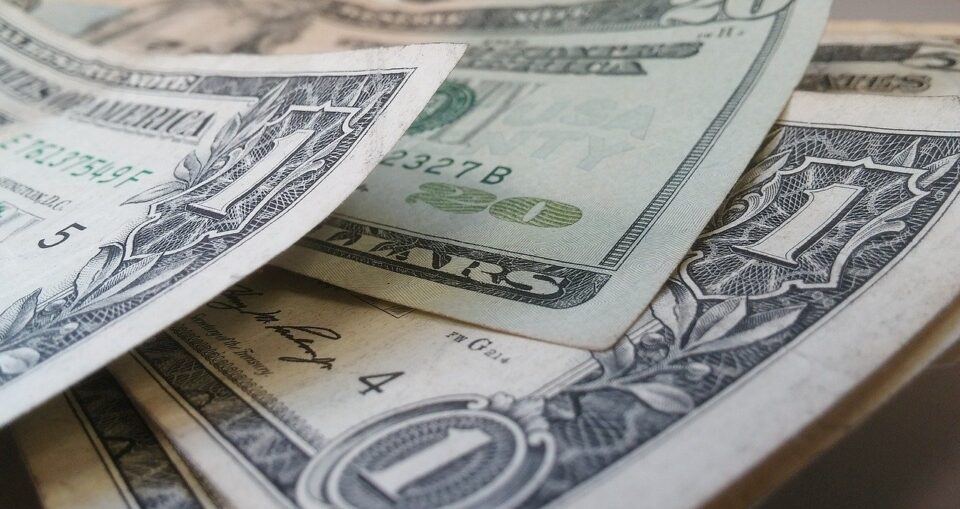
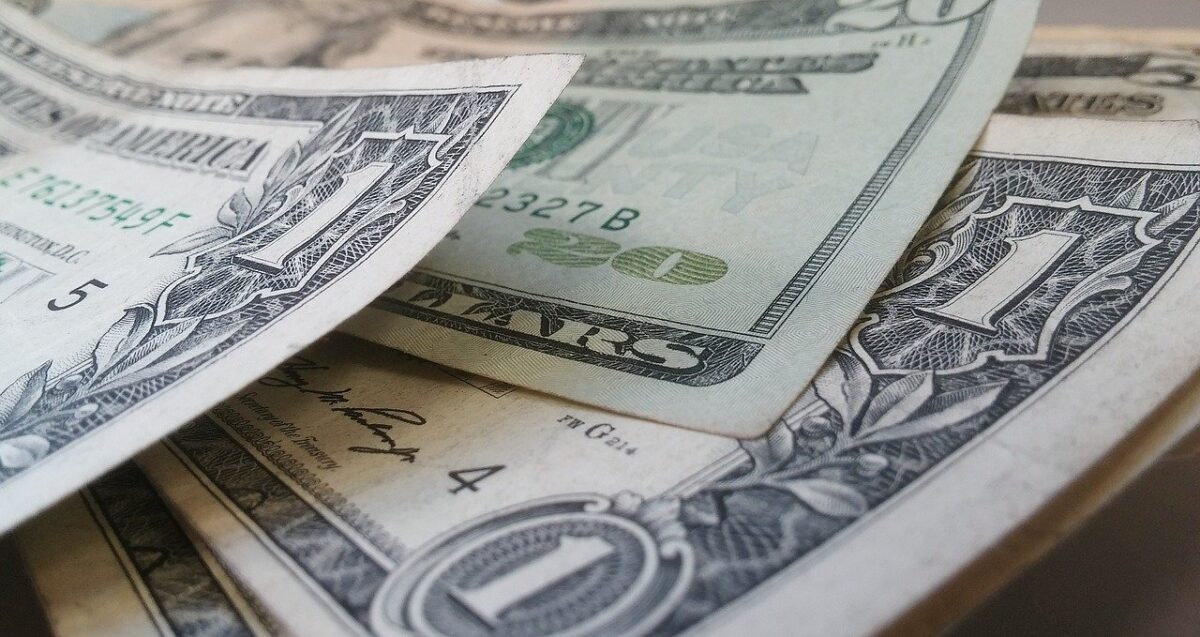
Worried about contaminated currency, monetary officials have quarantined cash and limited its circulation during epidemics.
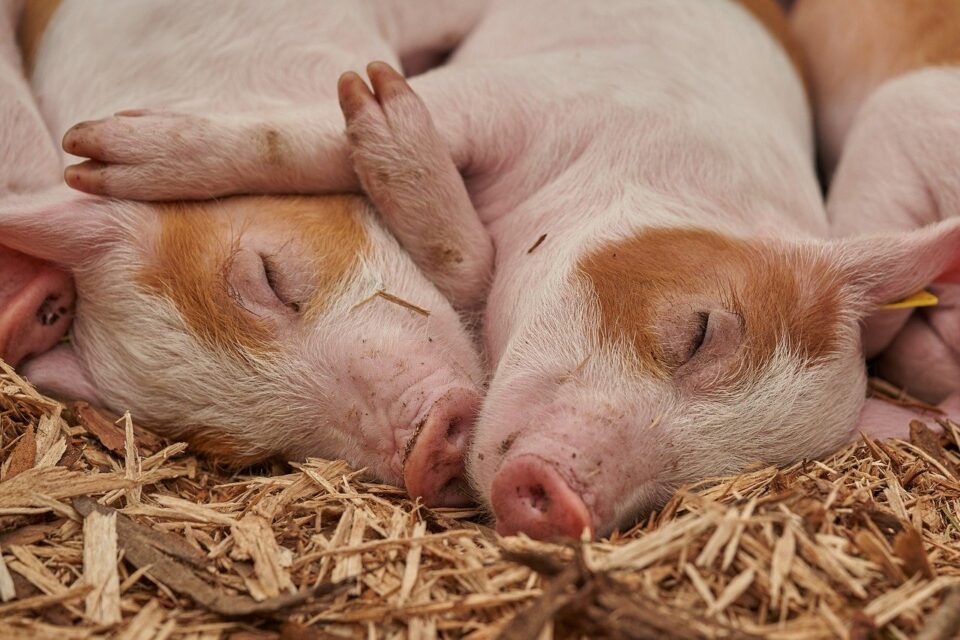
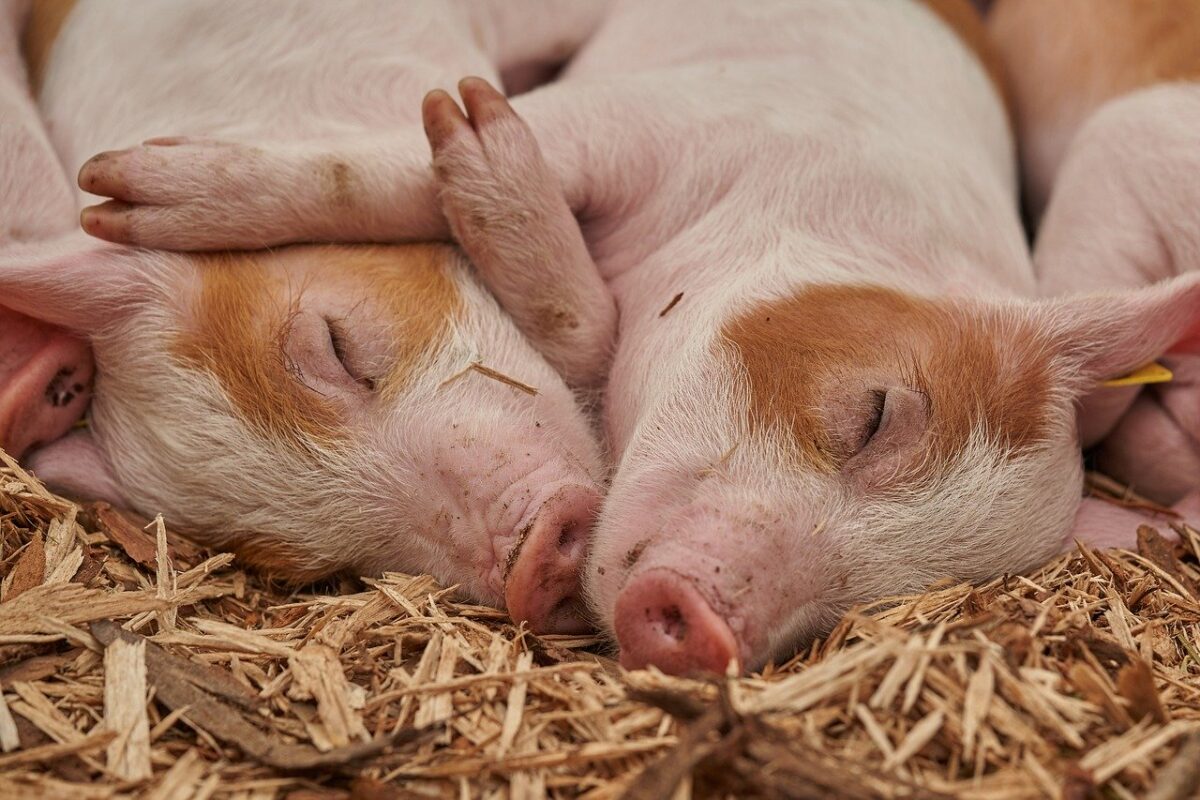
When we lose close to 40 percent of our pork processing capacity, the pork supply chain breaks in a direction that you might not expect.
The firms that produce craft beer and the farmers that grow Idaho potatoes have somewhat similar pandemic supply problems.
Economists can explain and improve our inadequate disaster preparation for predictable wildfires, diseases, hurricanes, and earthquakes.
When millions of jobless individuals cannot pay the rent, they initiate a ripple of nonpayments that touches many people and businesses.
Looking at activities that range from jaywalking to loading dishwashers, we can see how tight and loose social norms can shape behavior.
Because of state mandated lockdowns, dairy farmers are responding to less demand from restaurants, schools, and hotels by dumping milk.
It's easy to assume that the toilet paper shortage in the U.S. is caused by panic buying and hoarding but there really might be a supply problem.