August 18, 2022
Listening to our city streets and even food noises, we can say that sound design provides clues about our economy.
Listening to our city streets and even food noises, we can say that sound design provides clues about our economy.
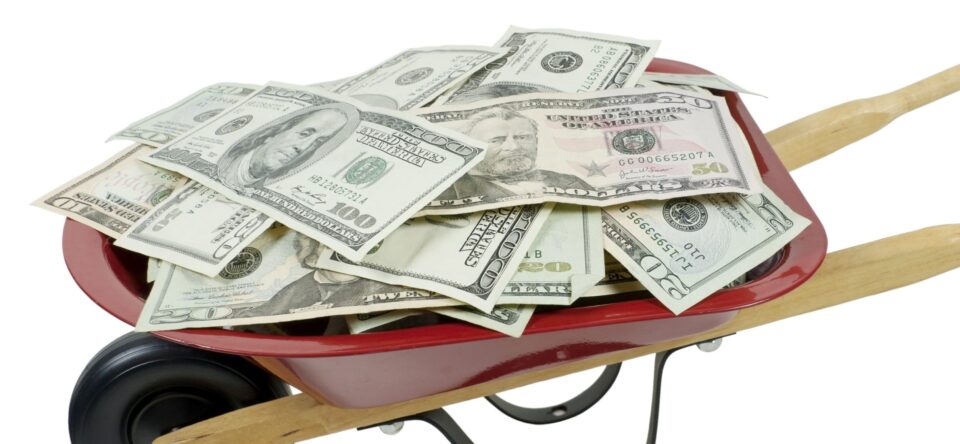
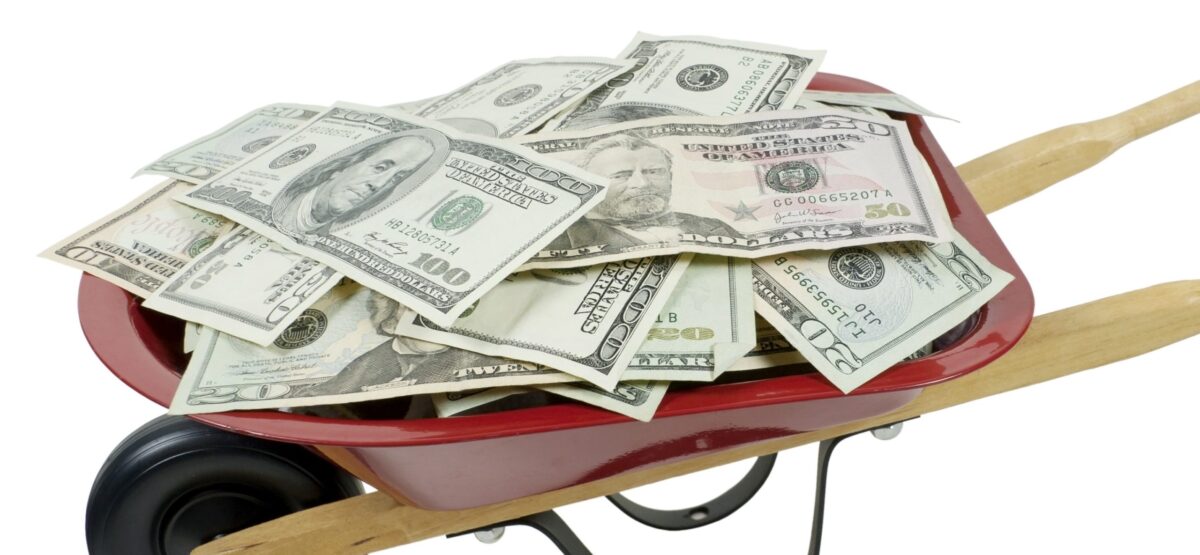
When we look at an animated history of the Forbes list of the richest billionaires, we also see some economic history.
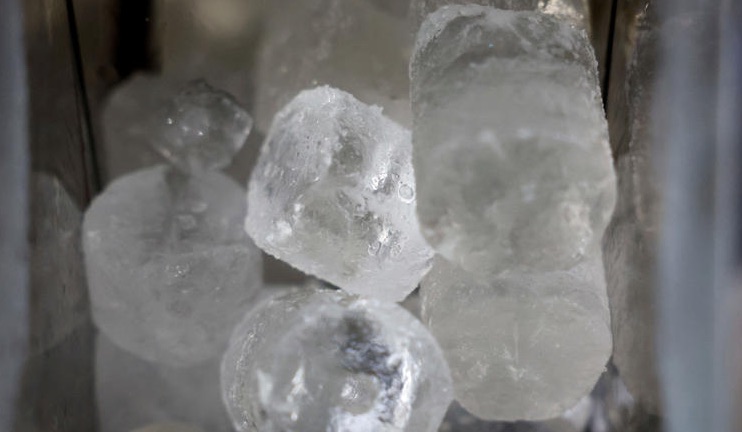
Spain's ice shortage reminds us that close to 200 years ago, after we learned that drinks could be chilled, it became a necessity.
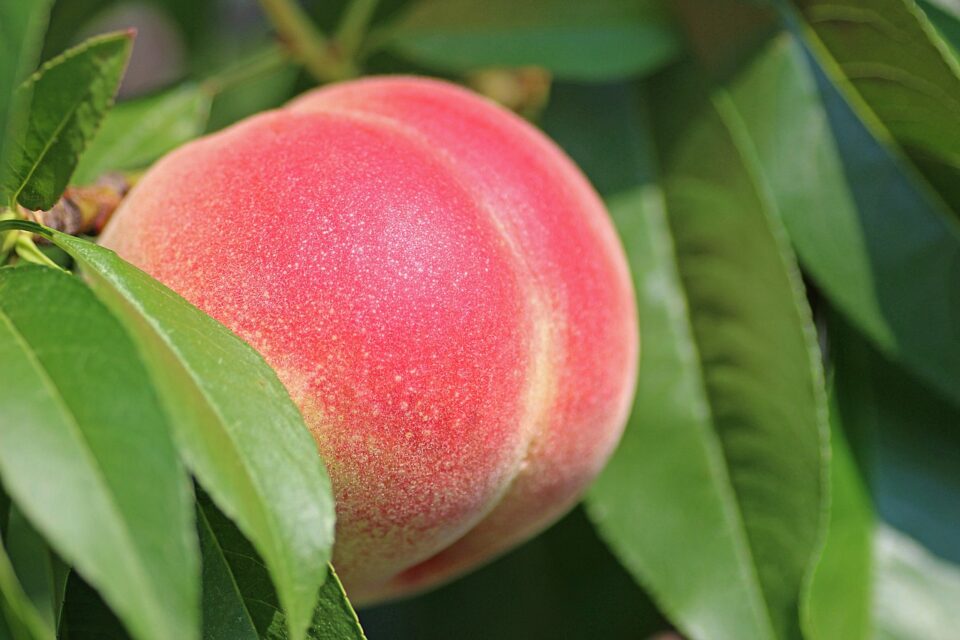
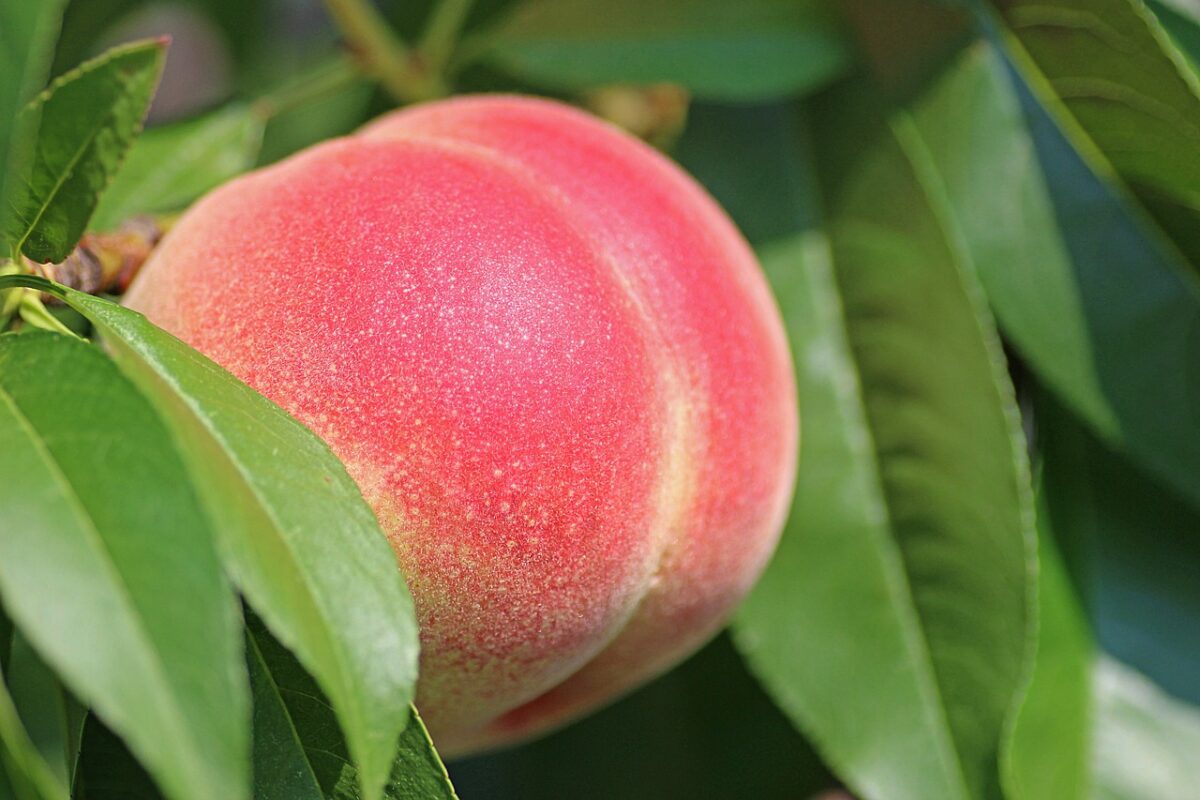
About much more than a piece of fruit, peach history details how the market encouraged an entrepreneur to invent and develop a new product.
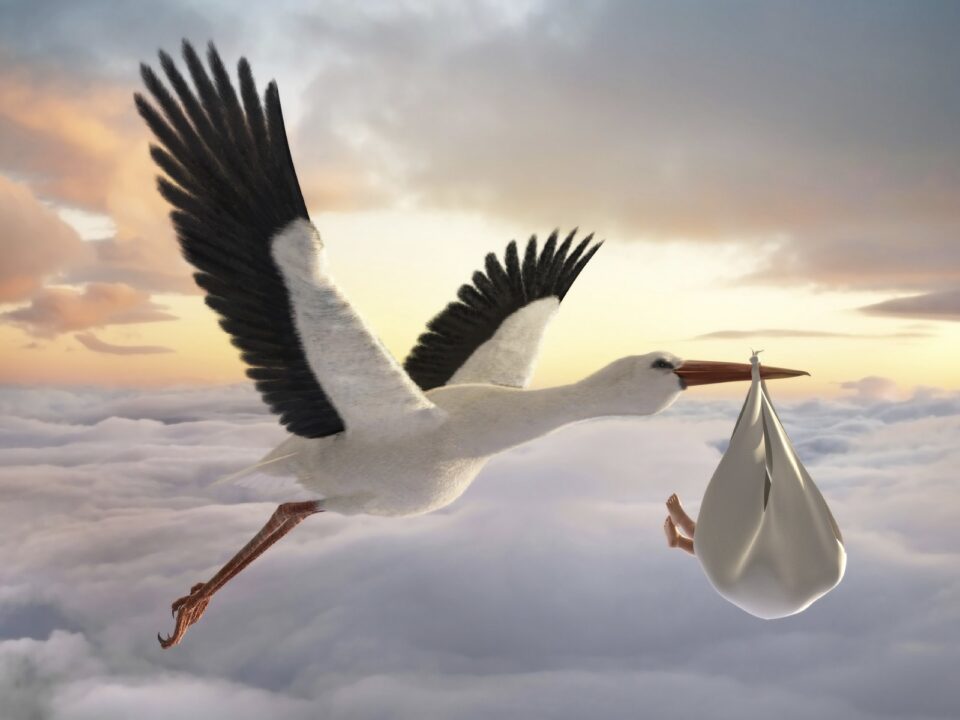
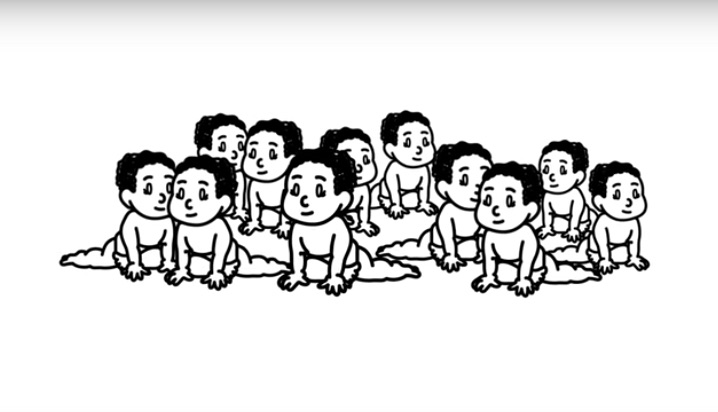
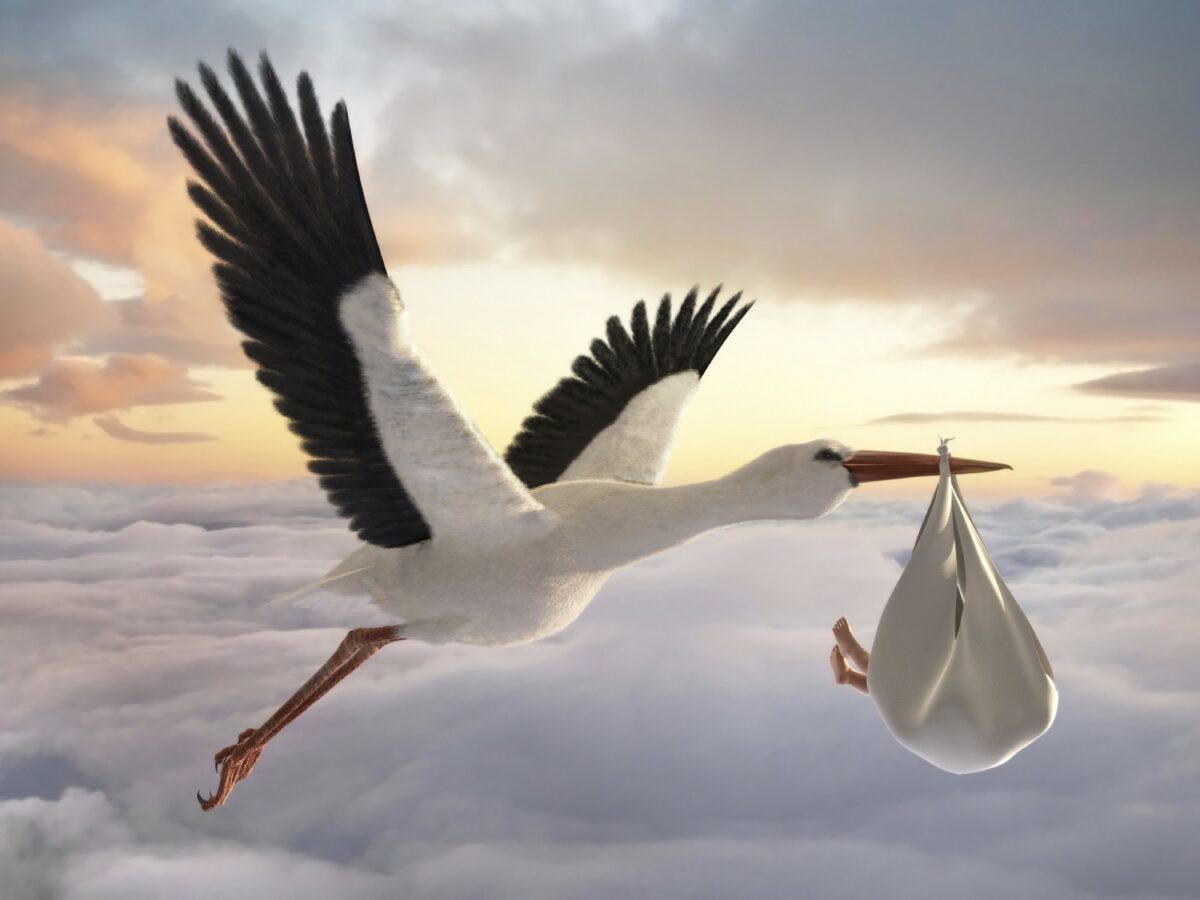
Researchers are concerned that the pandemic birth rate could have further pulled down our sinking population Replacement Rate.
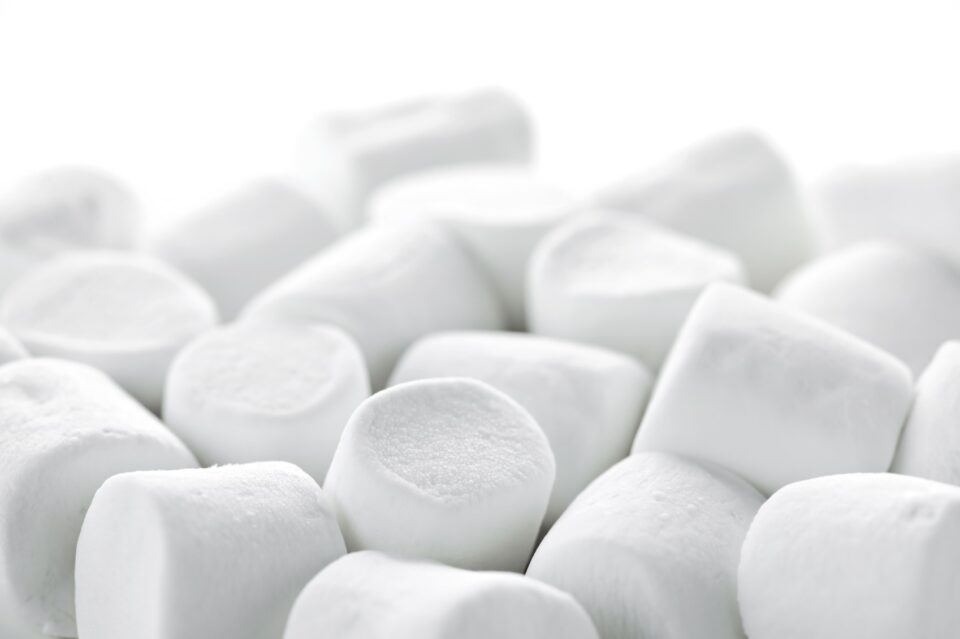
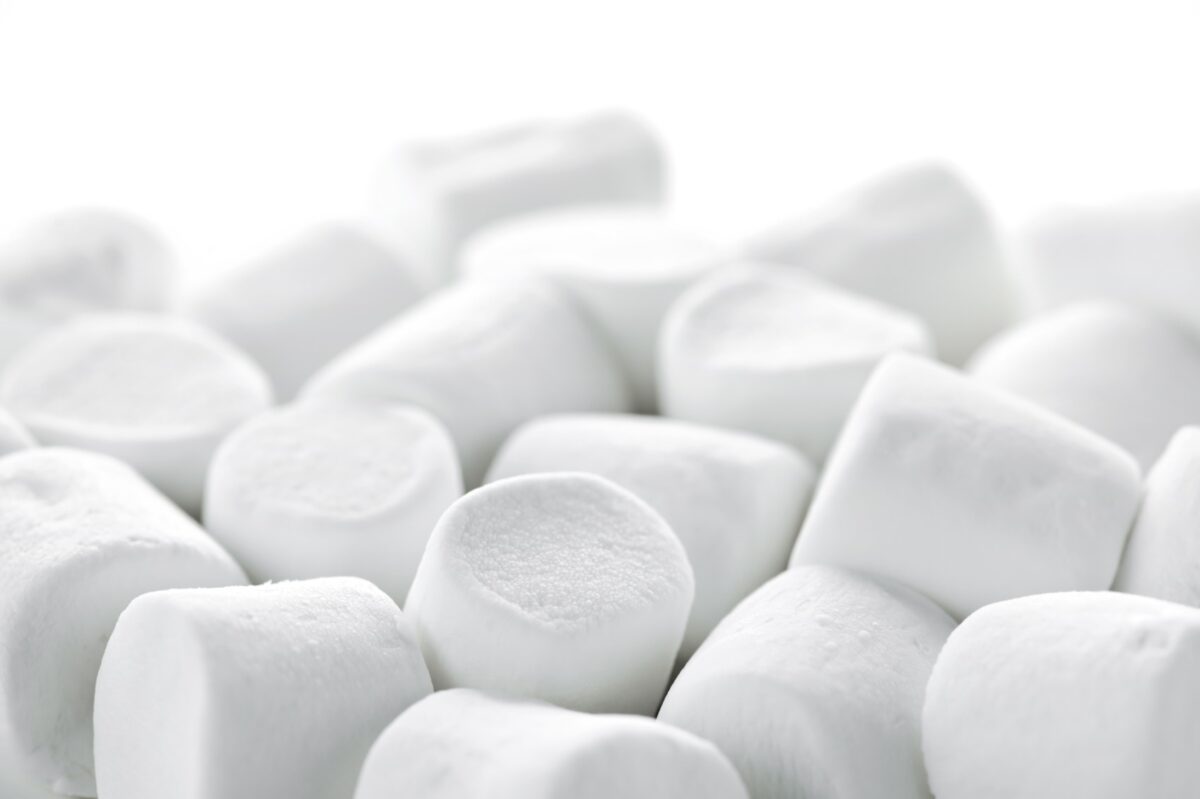
When we compare the analysis of Dr. Mischel's 1972 marshmallow test and more recent test revisions, we see how a new lens makes a difference.
Through what we should call a global learning crisis, worldwide, children's educational opportunities were reduced by Covid.
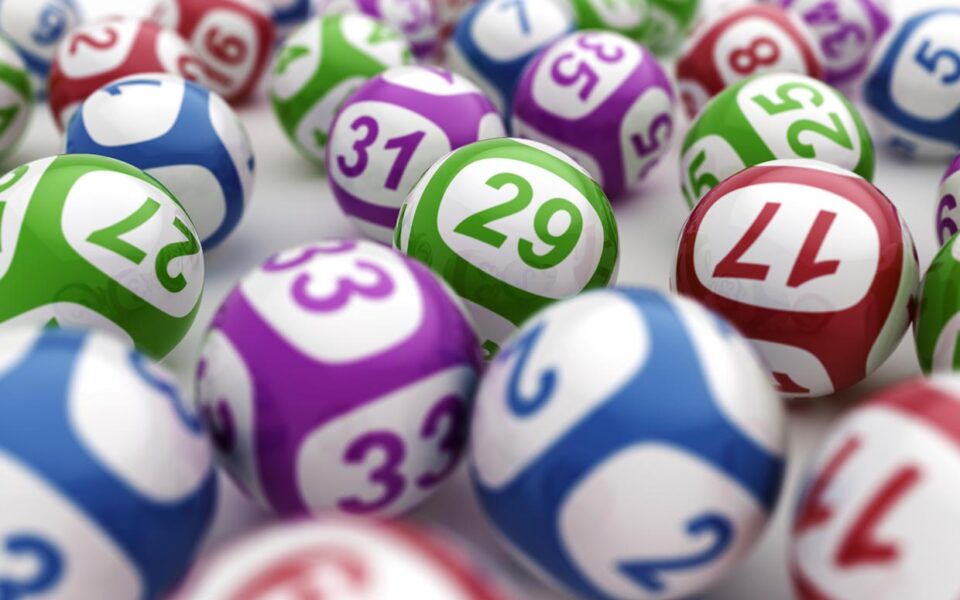
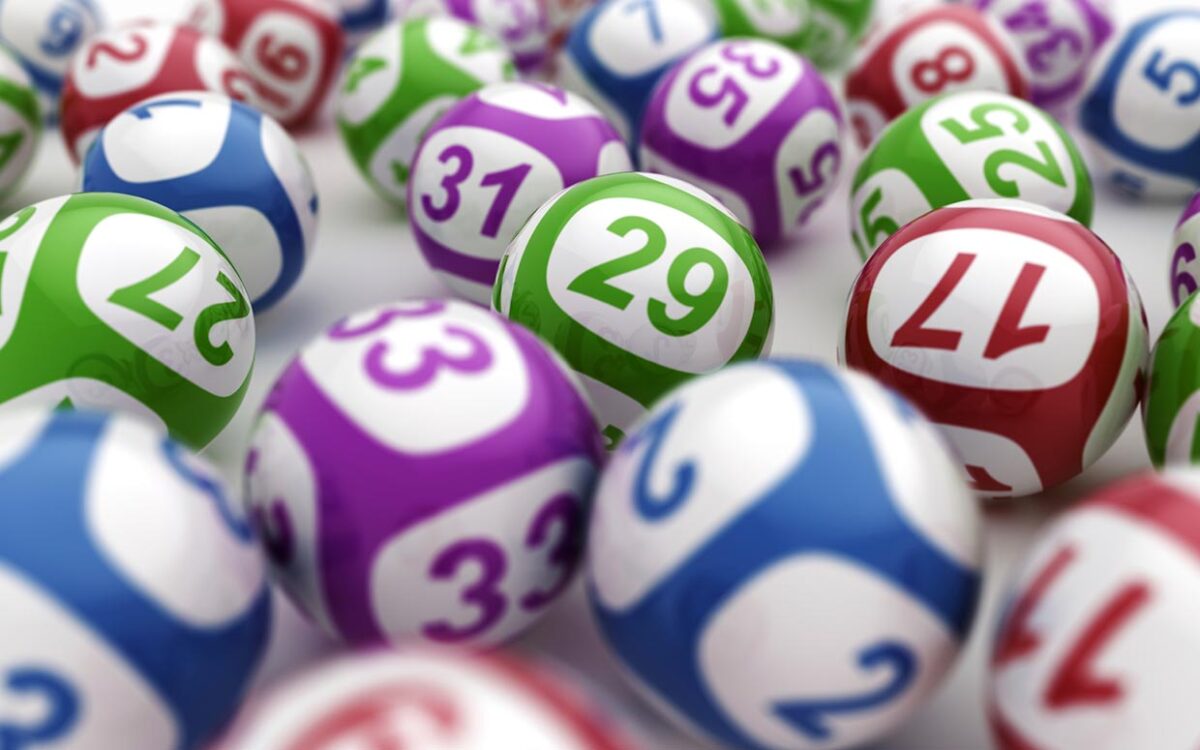
Looking at 18th century France and 2022, we can see how winning the lottery is not necessarily a low probability event.
Looking closely at the Index of Economic Freedom, we can see where property rights help to boost market activity.
More than the list we could take to the mall, we are influenced by the shopping nudges that stores use to boost our buying.
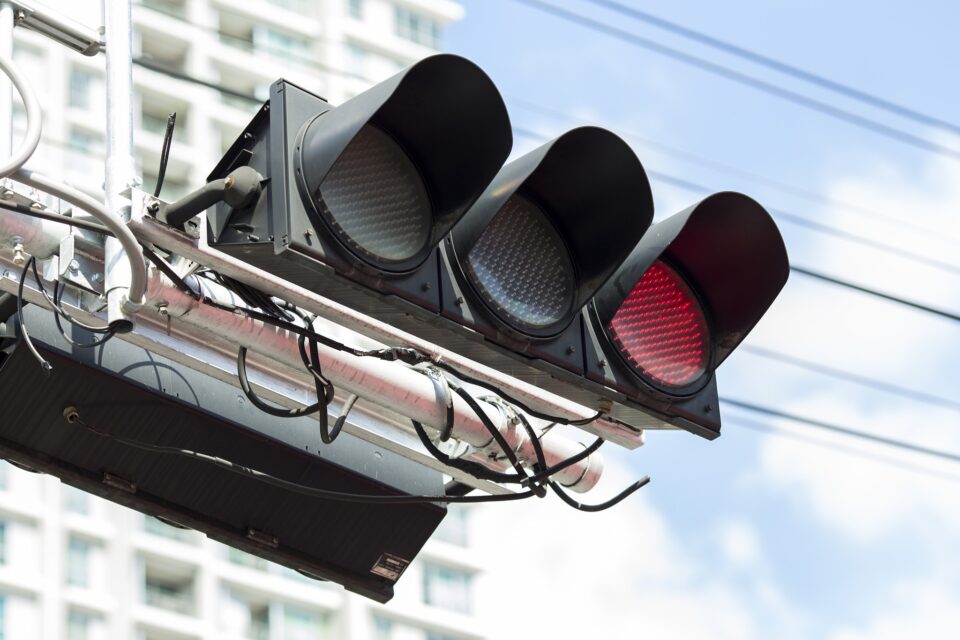
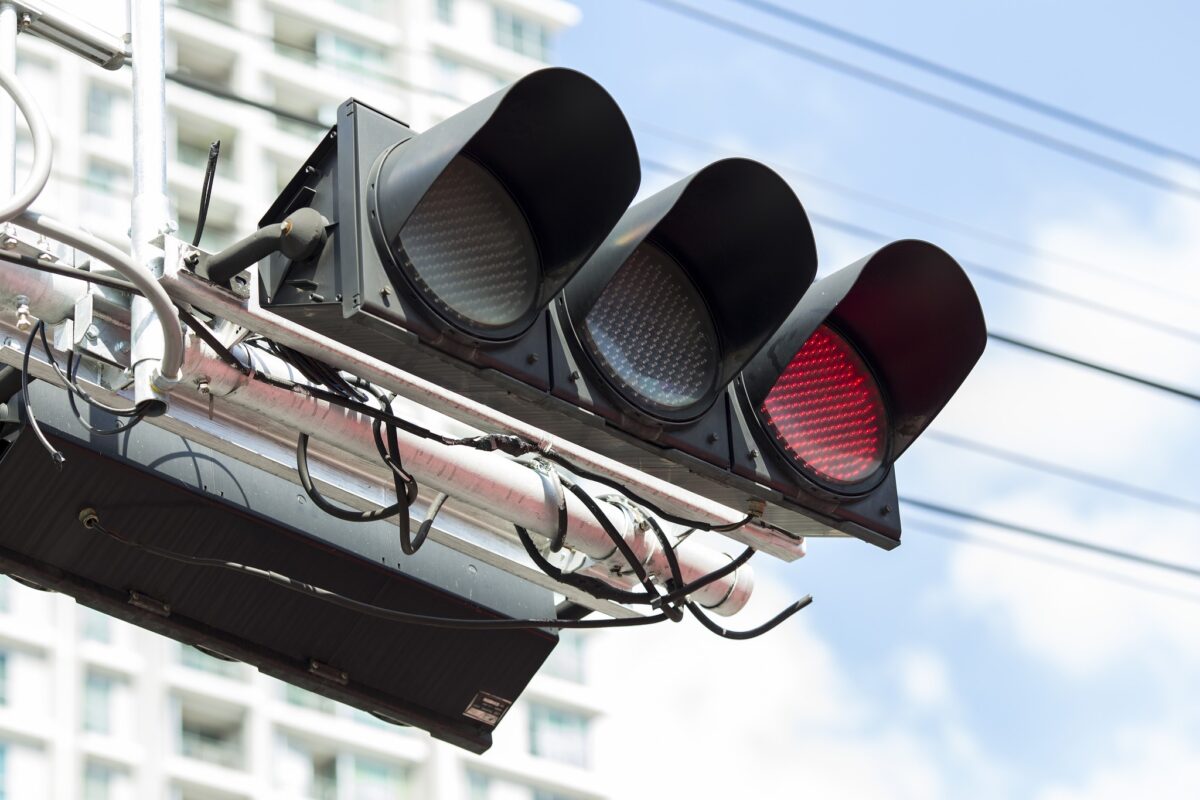
Called laissez-faire, Adam Smith's prescription for less government in the economy relates to an island with no traffic lights.
Because of disappearing coupons, the people that spent the time to save the money no longer enjoy price discrimination.