February 9, 2023

Through new well-being metrics, we can see alternative criteria to which policy makers can respond after the GDP.
Through new well-being metrics, we can see alternative criteria to which policy makers can respond after the GDP.
As Baby Boomers elevate the world's ageing populations, their governments (and children) are deciding how they want to support them.
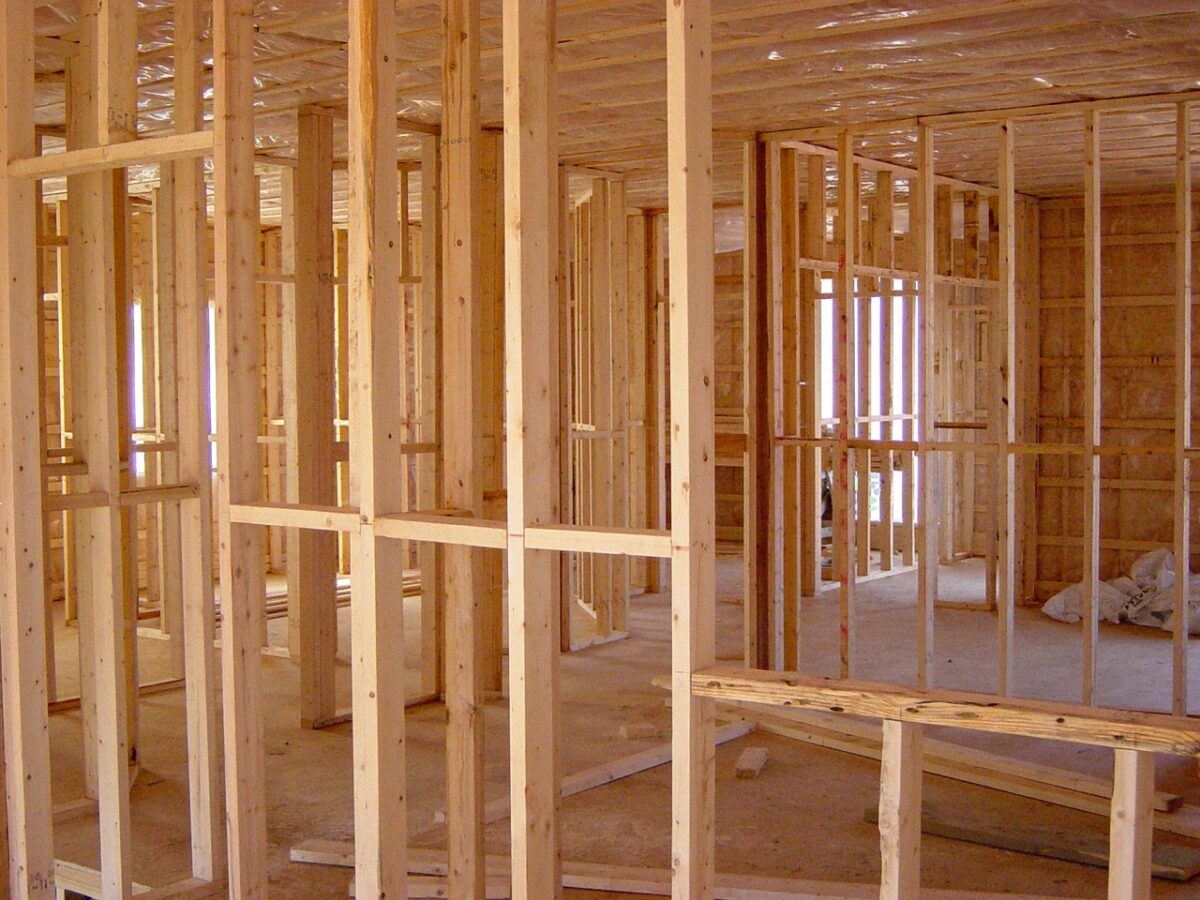
New Chicago Fed head Austan Goolsbee and a U. of Chicago colleague try to solve the mystery of lagging construction industry productivity.
While the conventional wisdom says that the world is fragmenting, it is likely that there is much less deglobalization than we think.
The closer we look at online dating markets, the more we see differences in the firms, the users, and the attitudes.
We can look at the federal budget to see why the debt ceiling should be raised before debating federal spending tradeoffs.
Ranging from changes in society to the owner's messaging, the history of the Ford pickup truck is about more than transportation.
Using criteria that include happiness and meaningfulness, the ATUS (American Time Use Survey) ranks job well-being.
Continuing with our January e-links, we recommend a Tim Harford podcast that tells us all we need to know about a bubble.
Like Yogi Berra, we could say "deja vu all over again" about the Congressional debt reduction committees that were proposed and created.
McDonald's arrival in Russia during 1990 and now, its departure reflect the power of the market and the constraints of central planning.