February 5, 2017

Whether increasing tax compliance or discouraging public urination, behavioral economics can encourage socially desirable behavior with the right nudges.
Whether increasing tax compliance or discouraging public urination, behavioral economics can encourage socially desirable behavior with the right nudges.
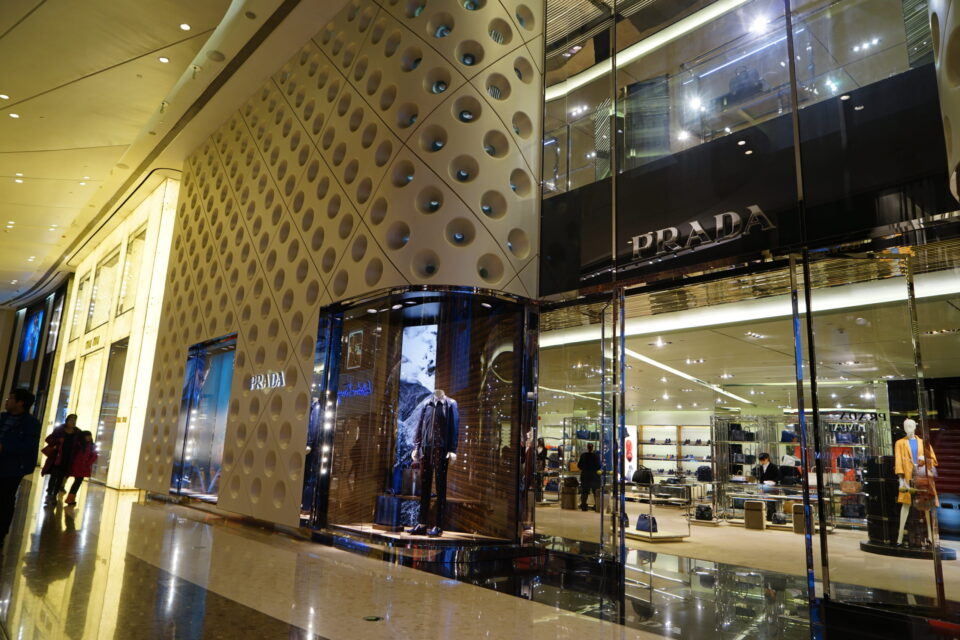
As the early 20th century interior decorator who rejected Victorian design, Elsie de Wolfe also created the first group of aspirational shoppers.
While Peoria used to be the perfect place to test new products like Pampers, now an uneven economic recovery took Taco Bell's new quesadilla to Toledo.
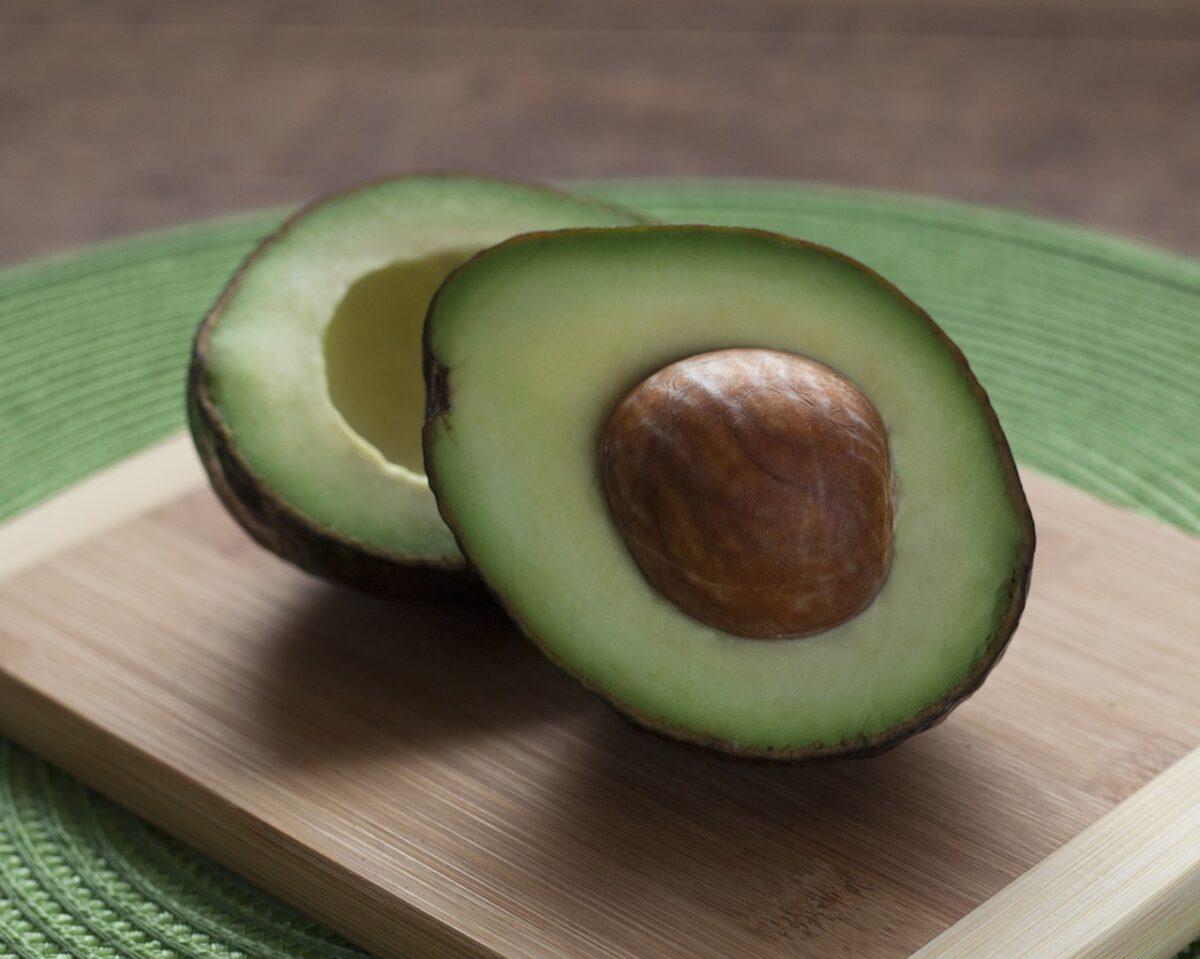
Because our avocados, onions, tomatoes and peppers could have come from Mexico, NAFTA changes will mean guacamole changes.
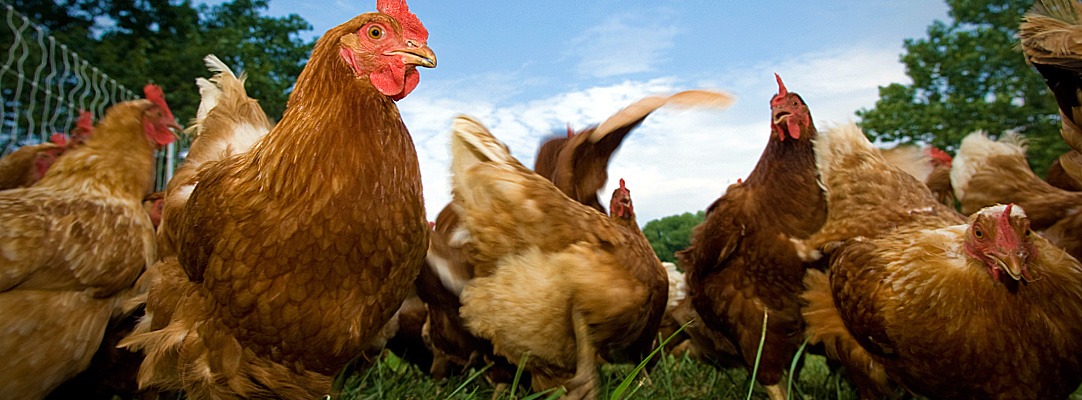
When German farmers got a chicken tax to protect them from U.S. poultry imports in the 1960s, the results were unexpected.
Barely recognized by U.S. News ranking, colleges where graduates achieve income mobility prove that the American Dream remains a viable goal.
Upsetting the conventional wisdom, researchers recently found millions of "non-existent" women who could enter Chinese marriage markets.
Using pictures, voters could identify conservative politicians because attractiveness, economic success and ideology tend to correlate.
While paychecks have increased, the numbers change when we look at all worker compensation ranging from office coffee to health insurance.
When our sugary drink consumption exceeds federal guidelines, we need to decide how much of a nudge we want from government to reduce what we drink.