April 20, 2020

When millions of jobless individuals cannot pay the rent, they initiate a ripple of nonpayments that touches many people and businesses.
When millions of jobless individuals cannot pay the rent, they initiate a ripple of nonpayments that touches many people and businesses.
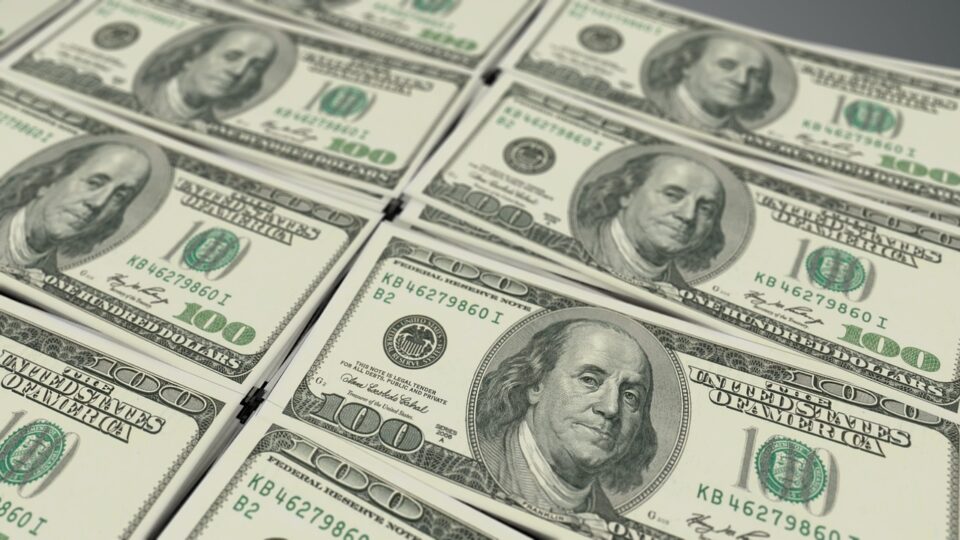
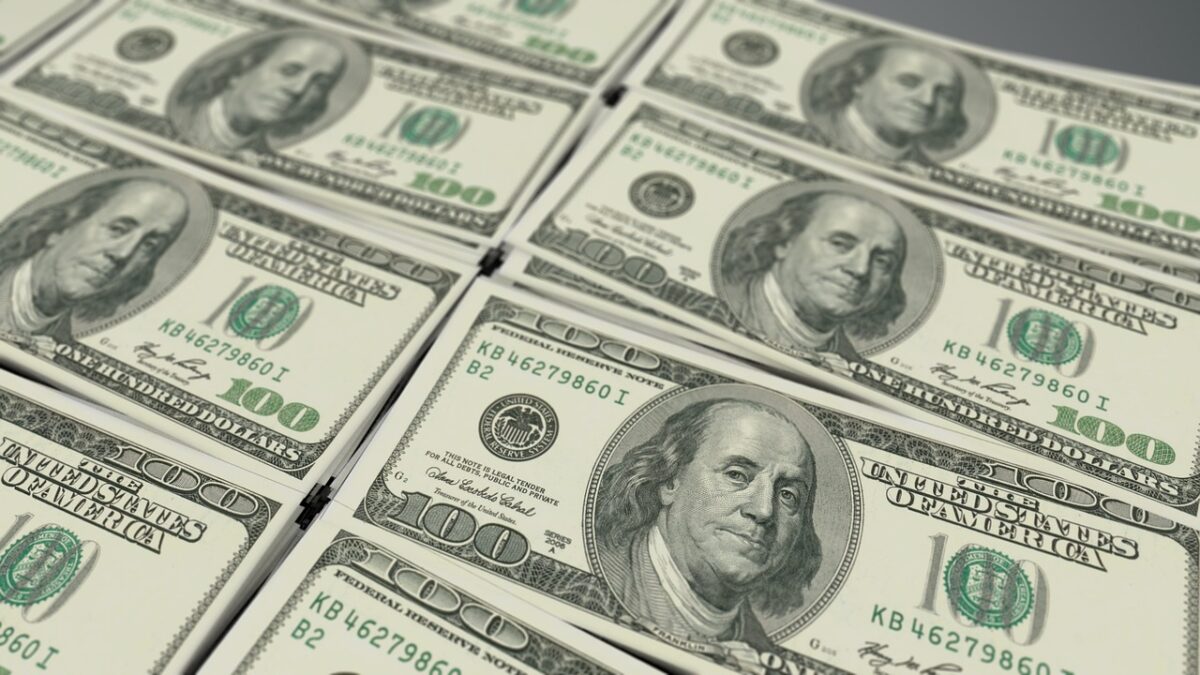
In the past, and now, when there is political and economic uncertainty, we've had global demand for U.S. $100 bills increase.
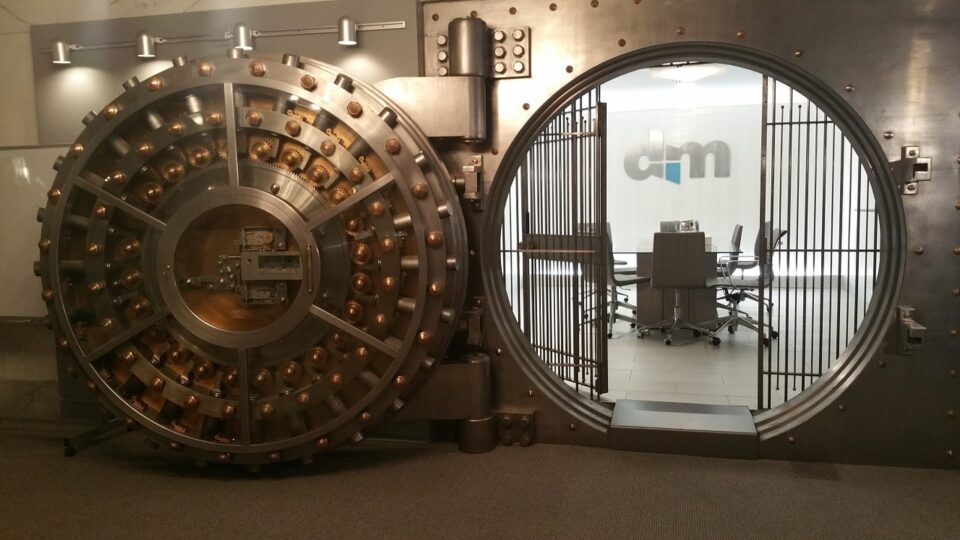
When it announced its $13 billion deal for E*Trade, Morgan Stanley reminded us of the reason it was created during the 1930s.
Economic anthropologists focus on the human side of money when they see us now and in the past, as individuals, as families, and as one world.
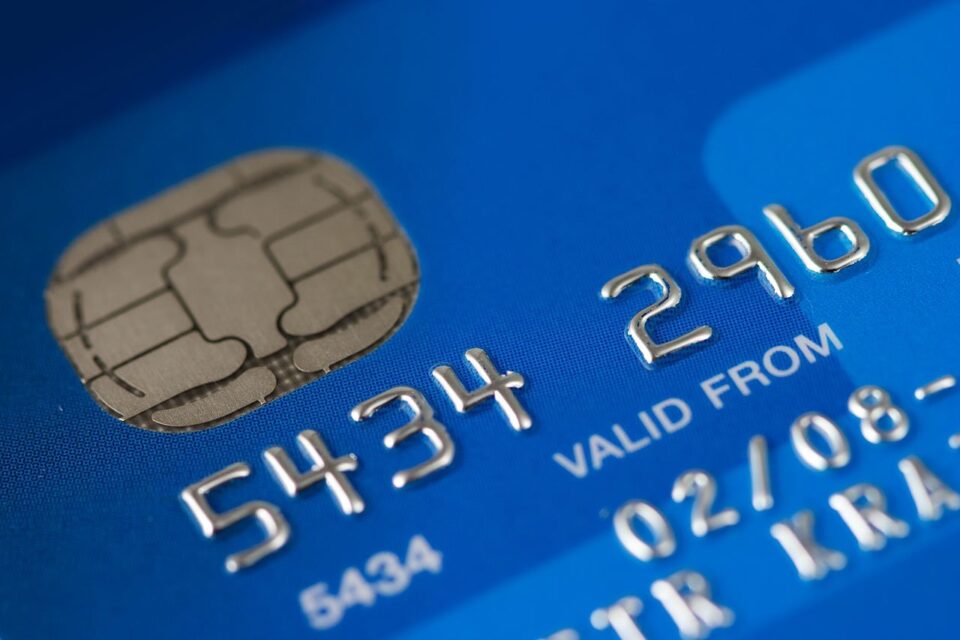
Whether you depend on cash or non-cash transactions can depend on whether you are young or old and the country where you live.
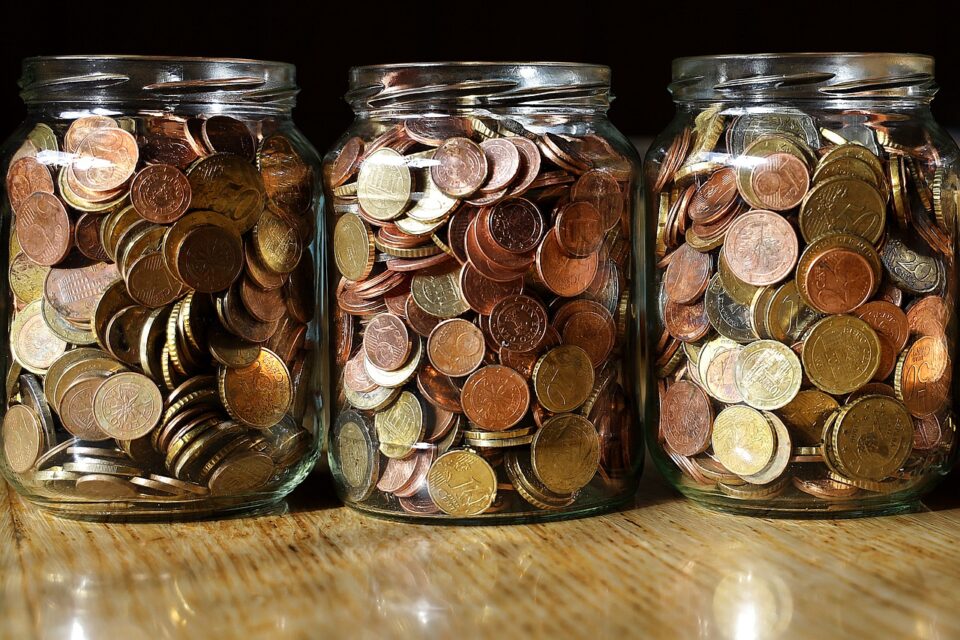
For many different reasons, the savings rate for our nation and the cash we stash under our mattress can vary considerably.
Doing little to help us win games, our video game shopping for outfits and dance moves creates some conspicuous consumption.
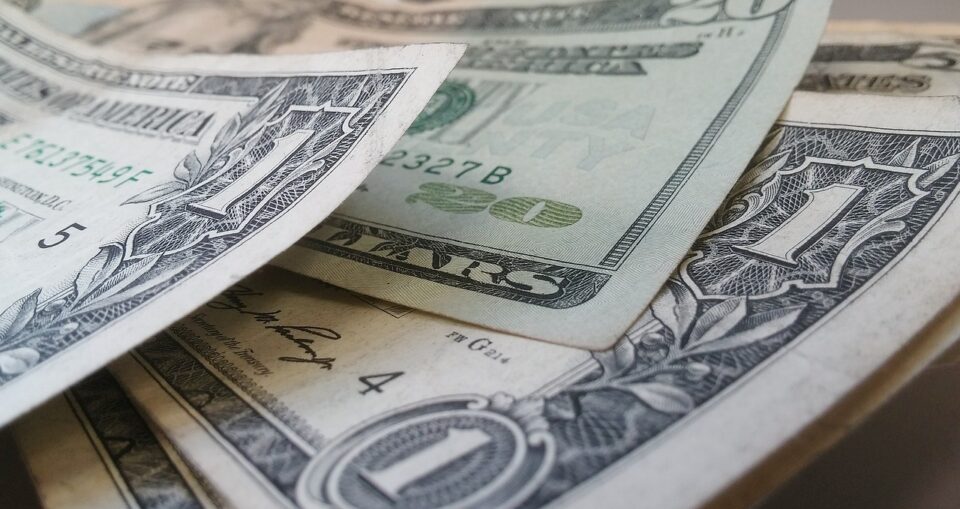
About more than money, our currency images of Harriet Tubman on the $20 bill relate to gender, race, and our expectations.
Although quantitative easing flooded the banking system with trillions of dollars, we are still debating how much it lifted the economy.
Although the BLS reports the CPI (Consumer Price Index) inflation rate each month, our own household could see different price changes.
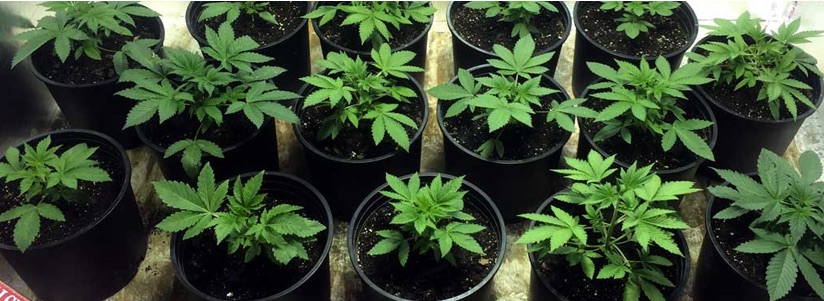
Reflected by duffle bags filled with cash, marijuana's financial services problems demonstrate why we need banks and other financial intermediaries.
High for the Swiss and low in Portugal, the average amount of money that we keep in our wallets for cash payments varies from country to country.