April 19, 2024
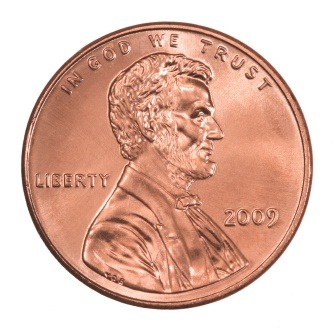
Considering the upside and downside of eliminating the penny takes us to bigger questions about the composition of our money supply.
Considering the upside and downside of eliminating the penny takes us to bigger questions about the composition of our money supply.
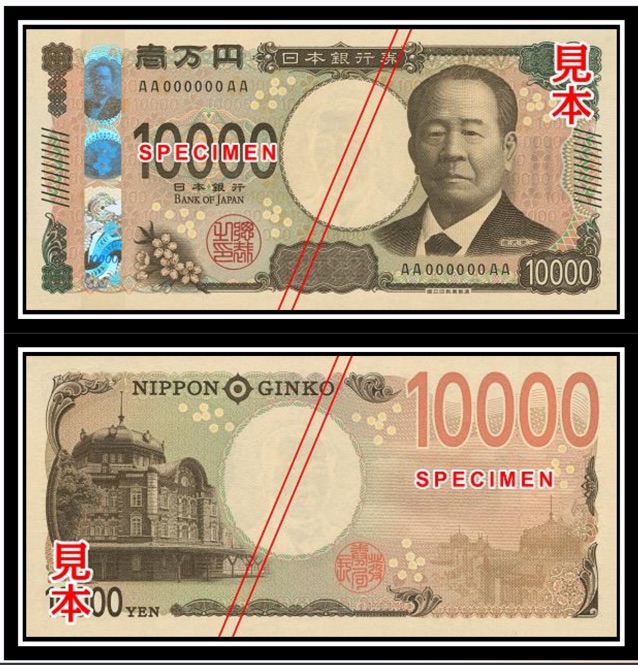
Made from a Himalayan shrub, Japanese cash remains popular, even when other countries are becoming increasingly cashless.
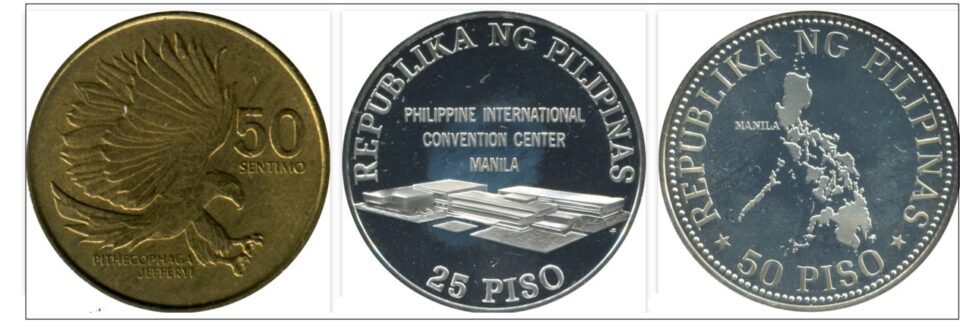
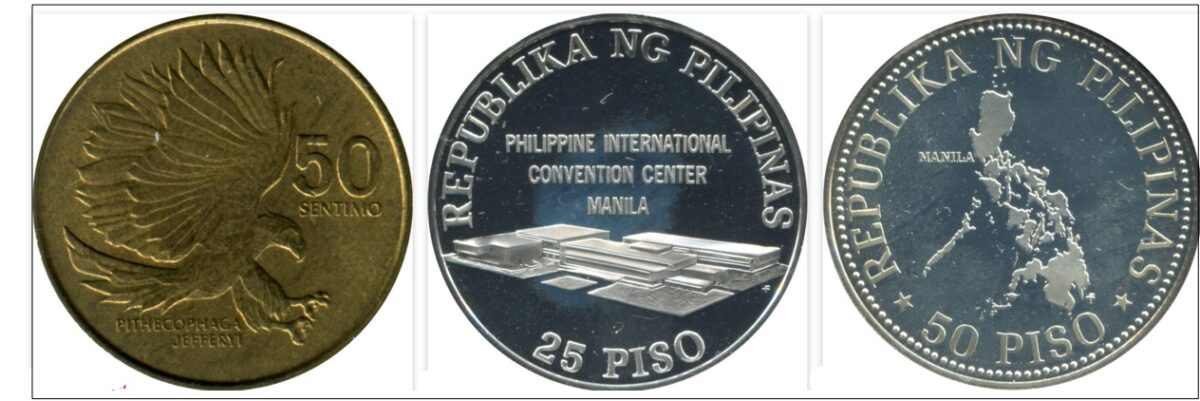
Although the coin supply in the Philippines is more than sufficient, they have a coin shortage that creates problems.
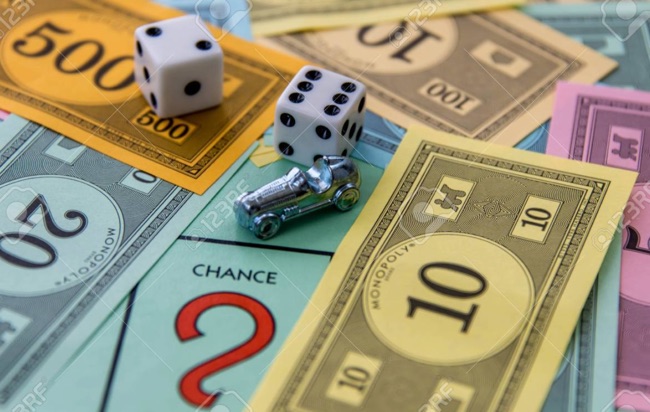
Moving away from the dollar or the euro, we can shift our image of money by thinking of a stone slab and other pseudo currencies.
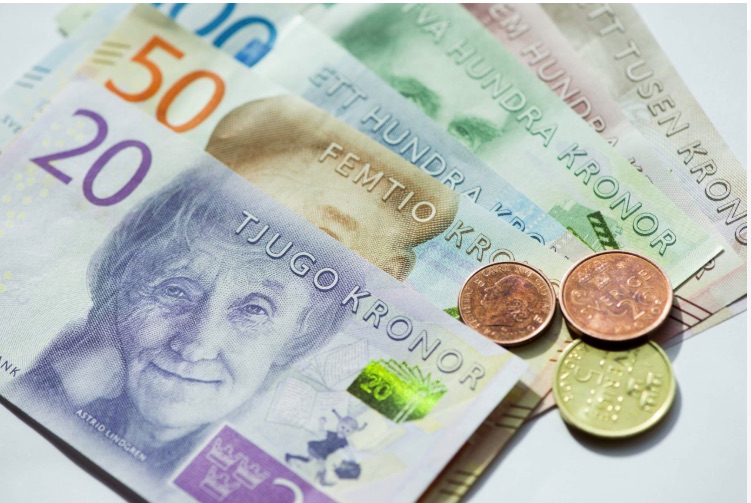
Looking for a cashless economy, our first destination would be Sweden to see the upside and its unintended consequences.
When your dog makes a meal of your money, you can ask if chewed up cash can be rescued by depositing it at the bank.
By looking at the downgrade of the U.S. debt, we can see how a credit rating impacts a country's ability to borrow.
Looking closely at banking competition takes us to balance sheets, regulation, competitive market structures, and JPMorgan Chase.
Looking at 19th century finance and recent bank failures, the common theme is the meaning of speedier markets.
Moving from big banking collapse facts, we need the smaller ones to complete the picture of where we have been and where we might go.
With SWIFT instantly becoming famous, we've taken a look at a heist and its history to demonstrate what it does.