July 7, 2015

Among the least popular forms of taxation, property taxes are the most desirable because of their incentives, whom they target and their resilience.
Among the least popular forms of taxation, property taxes are the most desirable because of their incentives, whom they target and their resilience.
Regulation can have unintended consequences. With football helmets or seat belts or even financial regulation, protection can create more reckless behavior.
Long assumed to have a direct relationship, the connection between height and GDP becomes more complex when we compare India and Africa.
Through the industrialization of just one slice of bread, we can see the history of the U.S. economy since the beginning of the 20th century.
Caused by aging baby boomers, expanded criteria and the remnants of the great recession, SSDI entitlement spending is approaching insolvency.
Because he revised his country's inaccurate deficit and received Eurostat approval, Greece's chief statistician might be prosecuted for "breach of faith."
One of many examples in Peter Schuck's new book, the Social Security program shows how government can be successful and also why it "fails so often."
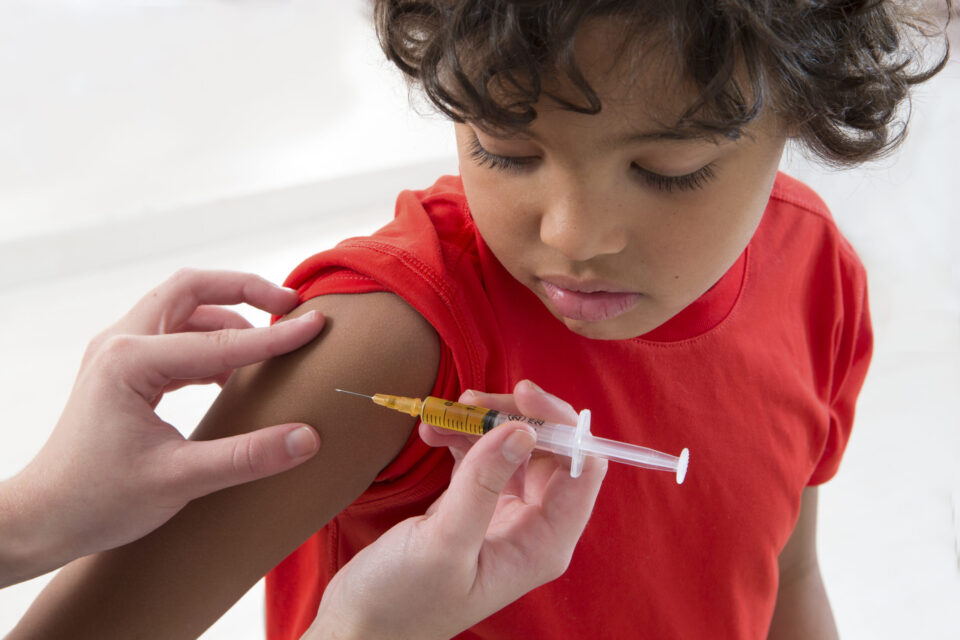
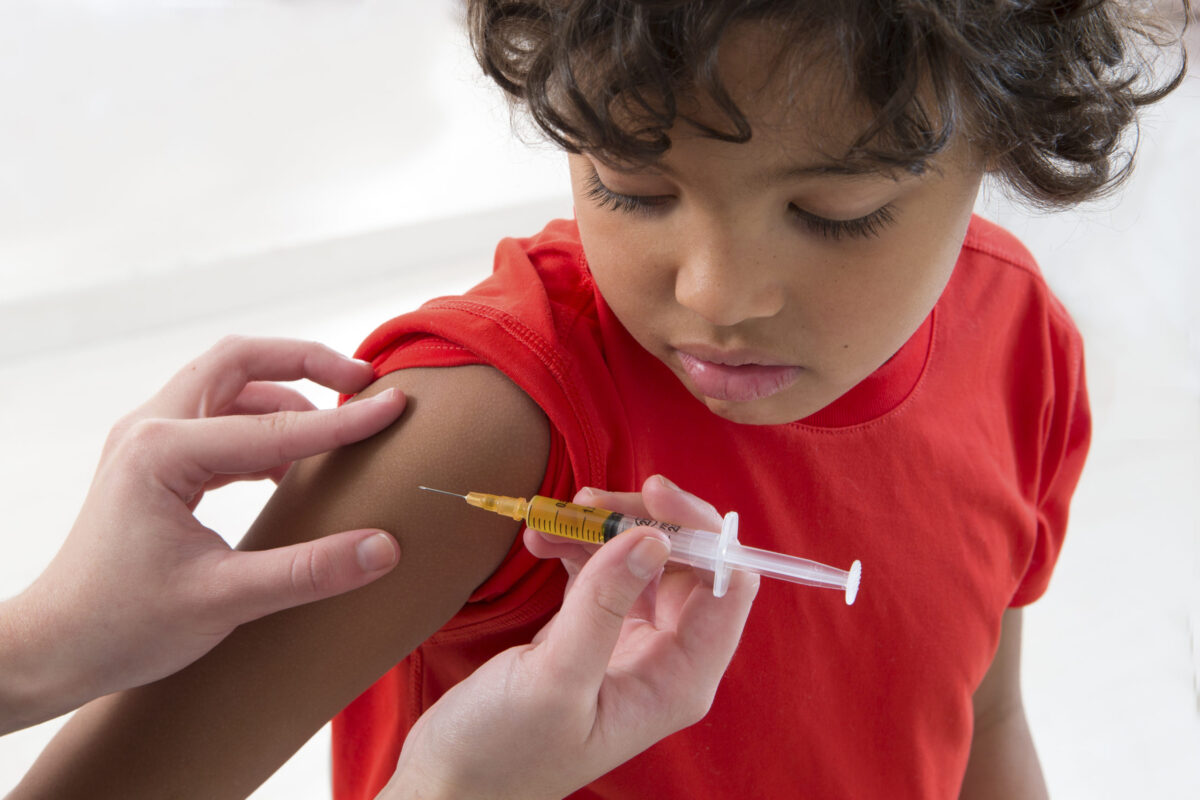
With better school attendance and learning, and then higher work productivity, the positive externalities of childhood vaccination have an economic impact.
Facing an aging population and more entitlements, countries that are encouraging more births to expand the labor force might be creating a bigger problem.
As population shifts, developed nations will have redistribution decisions as the proportion of the non-working aged and the young need more labor income.
As the source of monetary policy, the Federal Reserve has to decide if interest rates should rise when inflation is low but a jobs recovery has begun.
GDP problems include that it's not calculated the same way in different countries, its data can be tough to gather, and its components omit important items.