May 8, 2018

Although mandatory calorie count labels have become the law of the land, their impact on firms and consumers is still unpredictable.
Although mandatory calorie count labels have become the law of the land, their impact on firms and consumers is still unpredictable.
Sometimes low cost production can make goods as different as a caviar sandwich and a Model T Ford more similar than we might expect.
When cities like San Francisco pass rent control legislation to create affordable housing, they could wind up with unintended consequences.
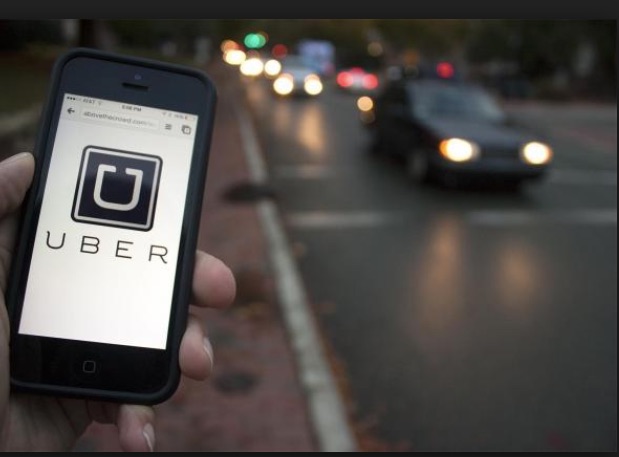
About much more than the buyer, a customer score helps ride providers like Uber and retailers like Best Buy use their resources more effectively.
To fuel the innovation that jumpstarts economic growth, researchers have figured out less traditional ways that will encourage more people to become inventors.
Students applying to college might experience more competition at schools that have an unexpected March Madness bump in applicants.
Illustrated by a tooth whitening case at the U.S. Supreme Court and new research from Northwestern, the spread of occupational licensing could need further evaluation.
The Index of Economic Freedom is a handy source of data for judging whether or not a government has a laissez-faire philosophy.
With Daylight Saving Time (DST) having just begun, we might find that shifting sunlight from the morning to the evening has made us safer.
In a top ten list of roller coaster economics, we can include everything from the cost of a kidney stone to world trade and queueing.