August 19, 2020
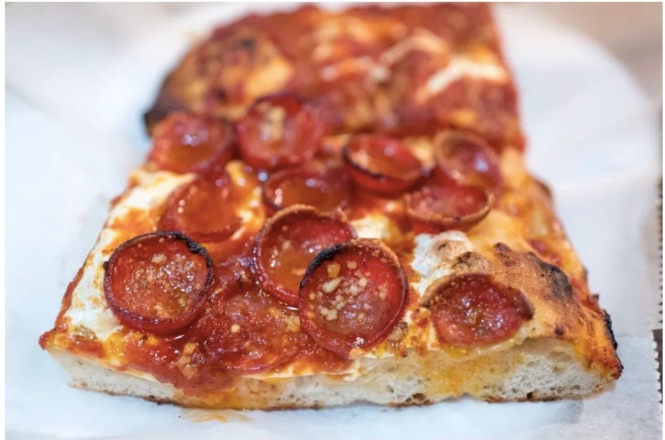
In addition to Dr. Pepper and toilet paper, we now can place pepperoni shortages on a list of the products that have been hit by the pandemic.
In addition to Dr. Pepper and toilet paper, we now can place pepperoni shortages on a list of the products that have been hit by the pandemic.
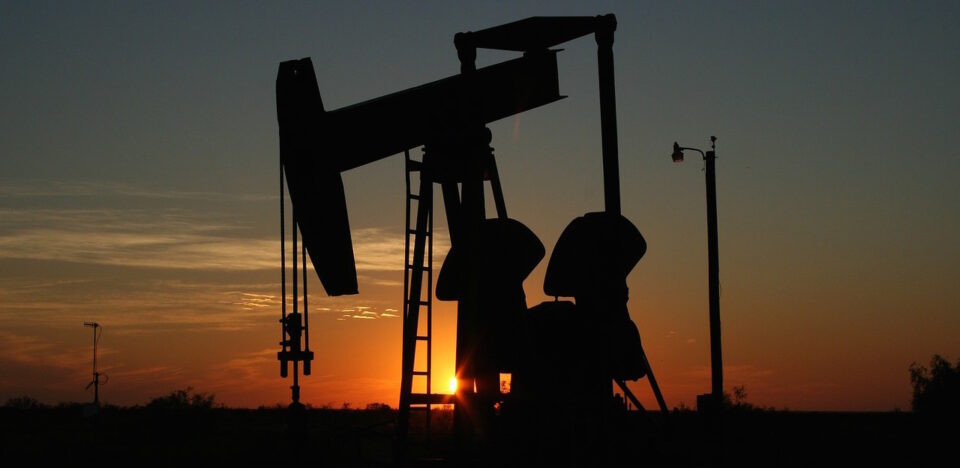
Sometimes like a roller coaster, the change in prices that cause an oil boom and bust can transform drilling towns and cities.
When the ownership rights of a $3.1 million John Constable painting are unclear, no one can buy or sell, display, or conserve it.
Very different under normal conditions, peanut butter and butterflies become rather similar during a coronavirus lockdown.
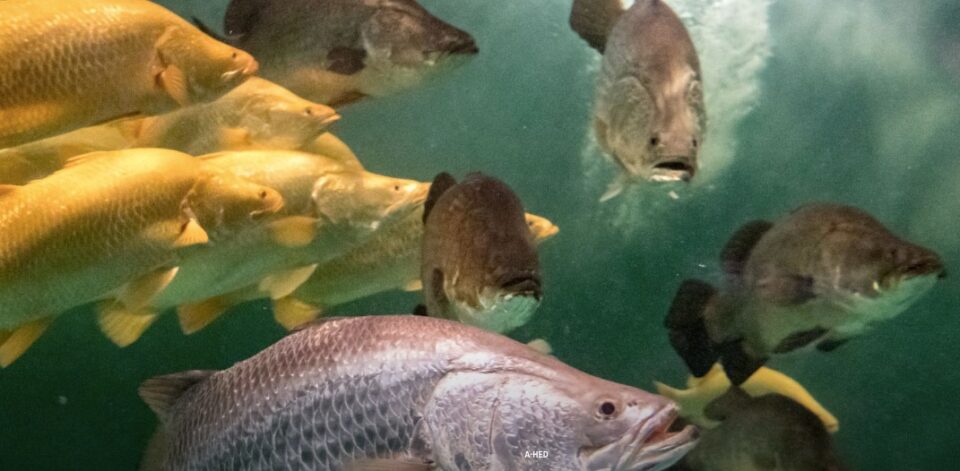
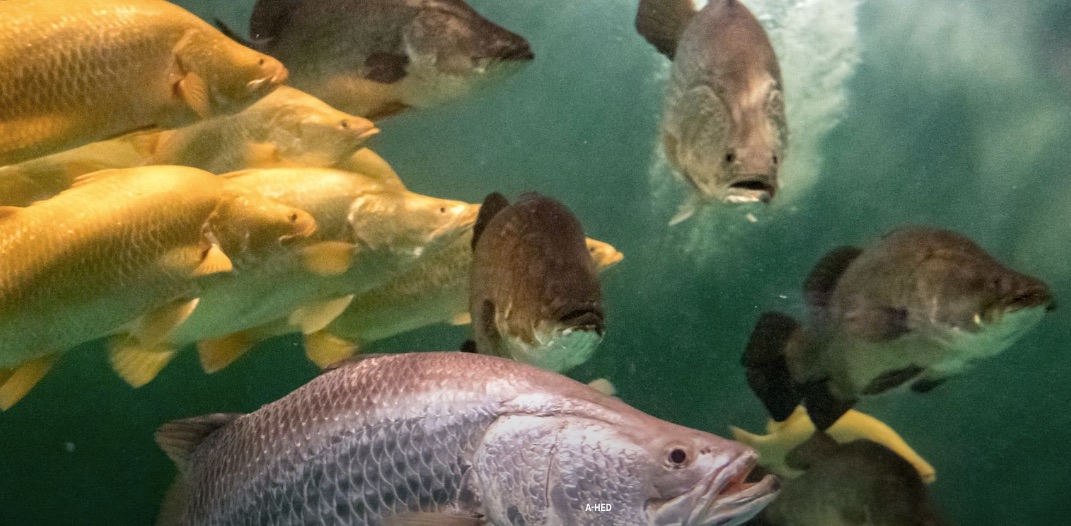
Invisible to most of us, the fish farms that produce almost half of our seafood are figuring out how to cope with less restaurant demand.
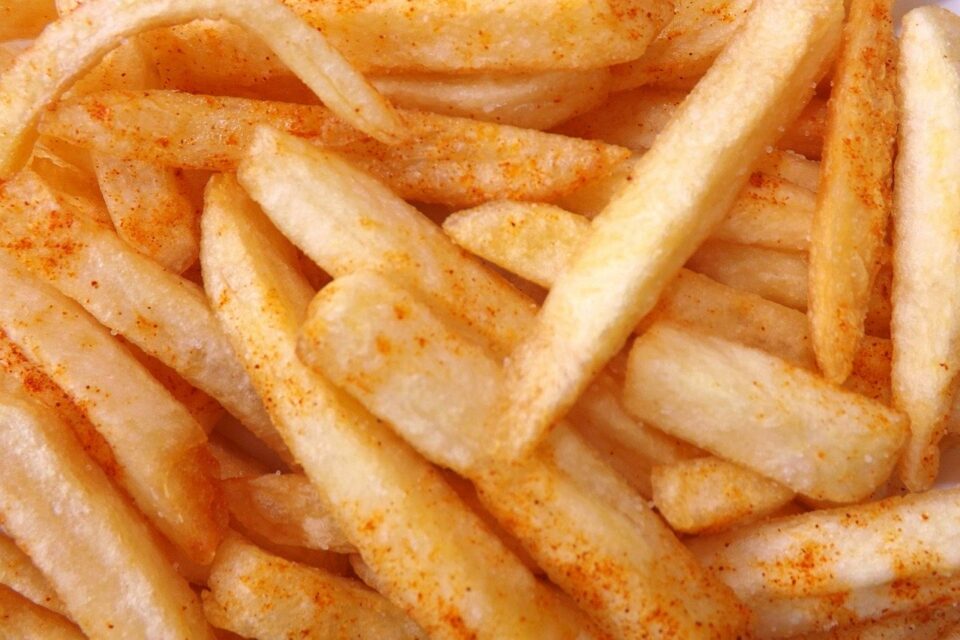
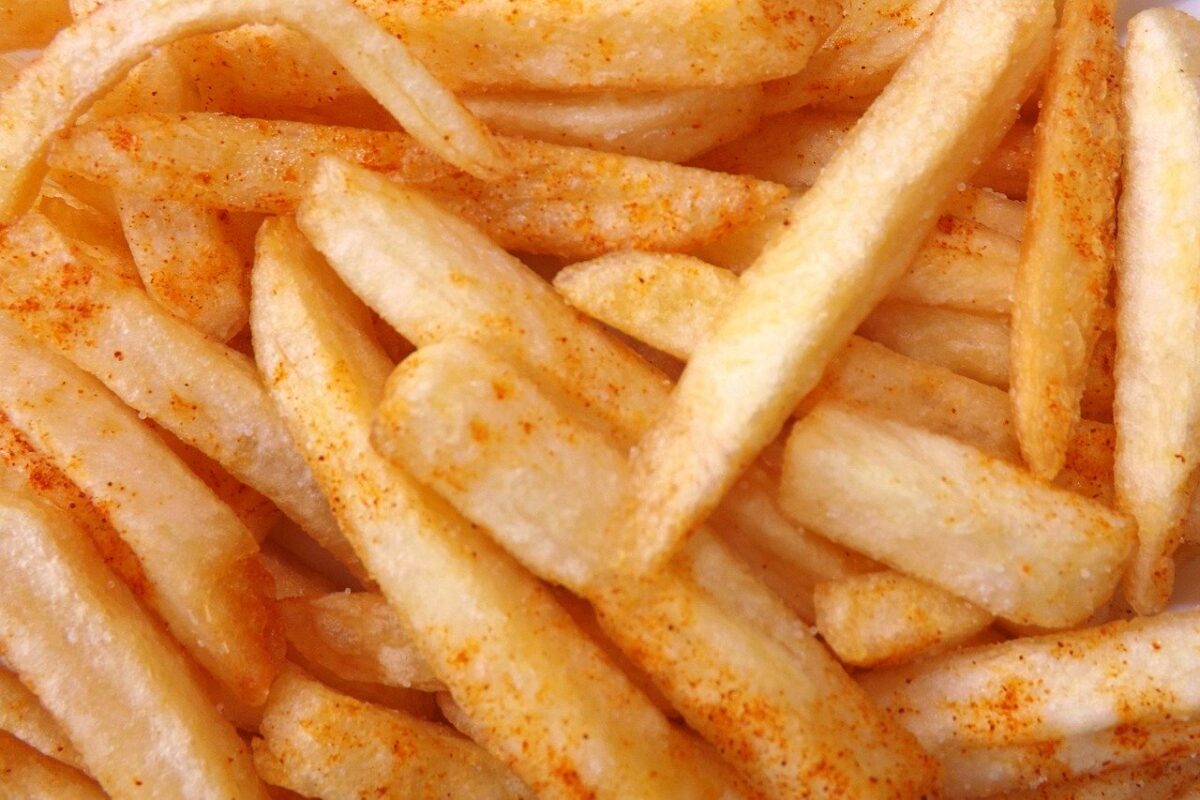
Global lockdowns have created supply problems for Belgian French fries and French cheese because households cannot make up for decreased commercial demand.
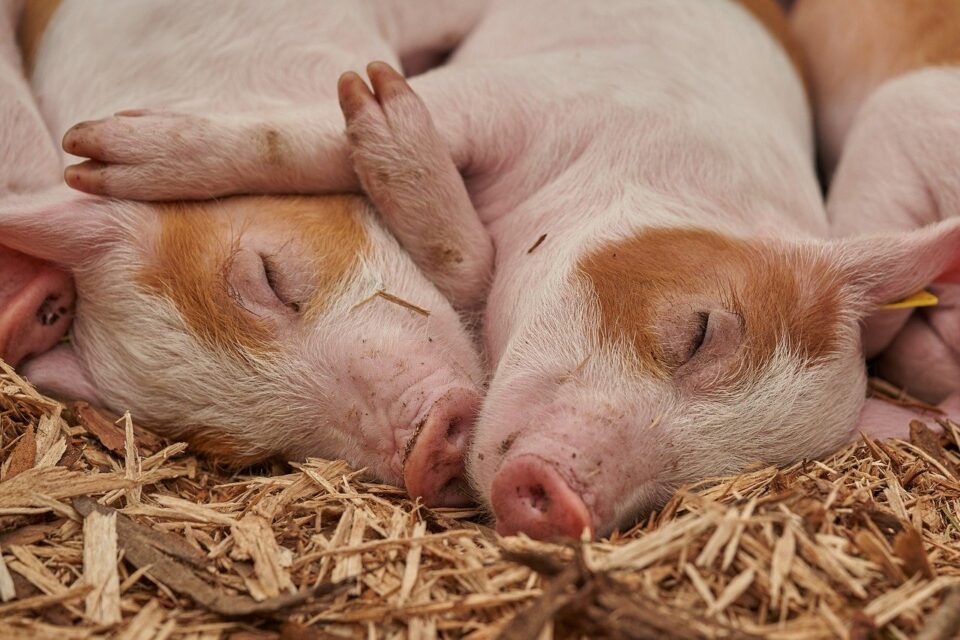
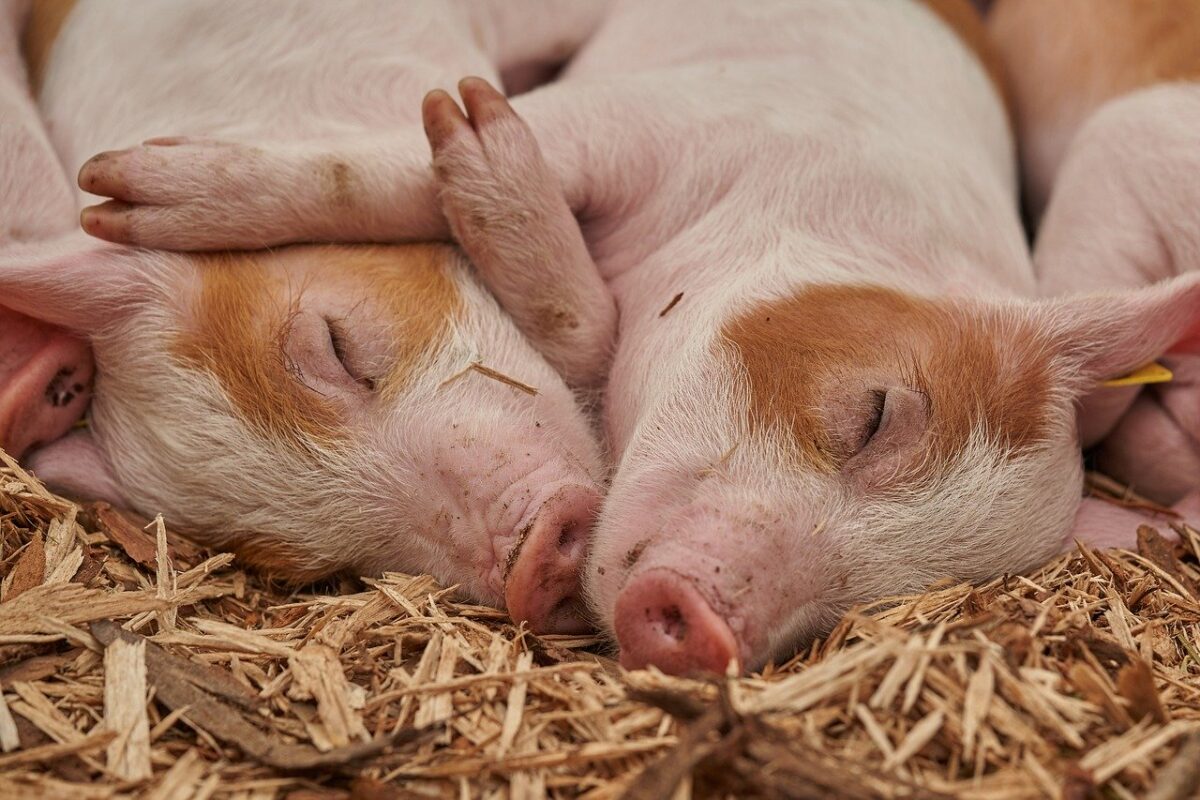
When we lose close to 40 percent of our pork processing capacity, the pork supply chain breaks in a direction that you might not expect.
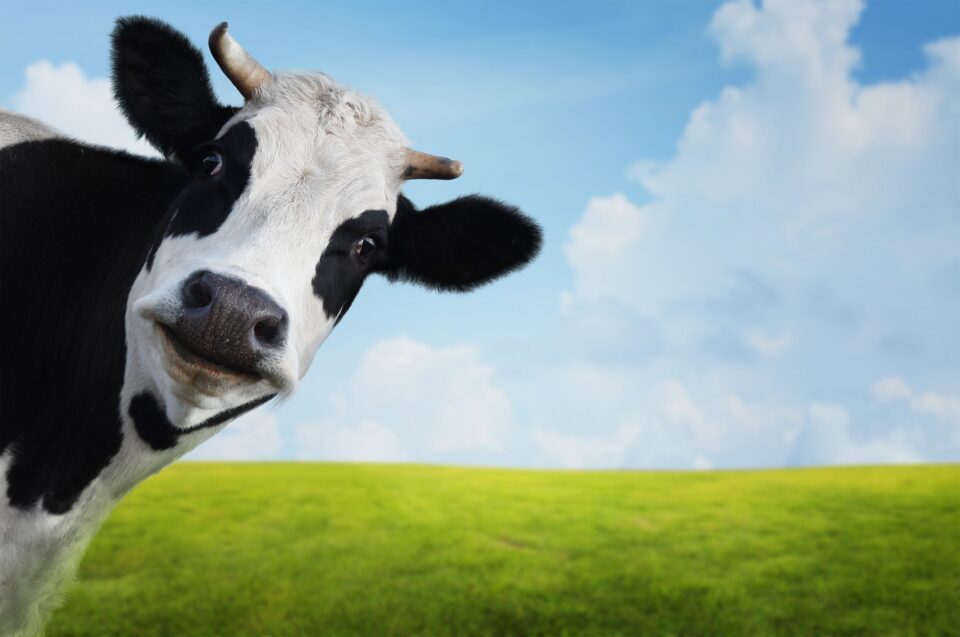
Because of state mandated lockdowns, dairy farmers are responding to less demand from restaurants, schools, and hotels by dumping milk.
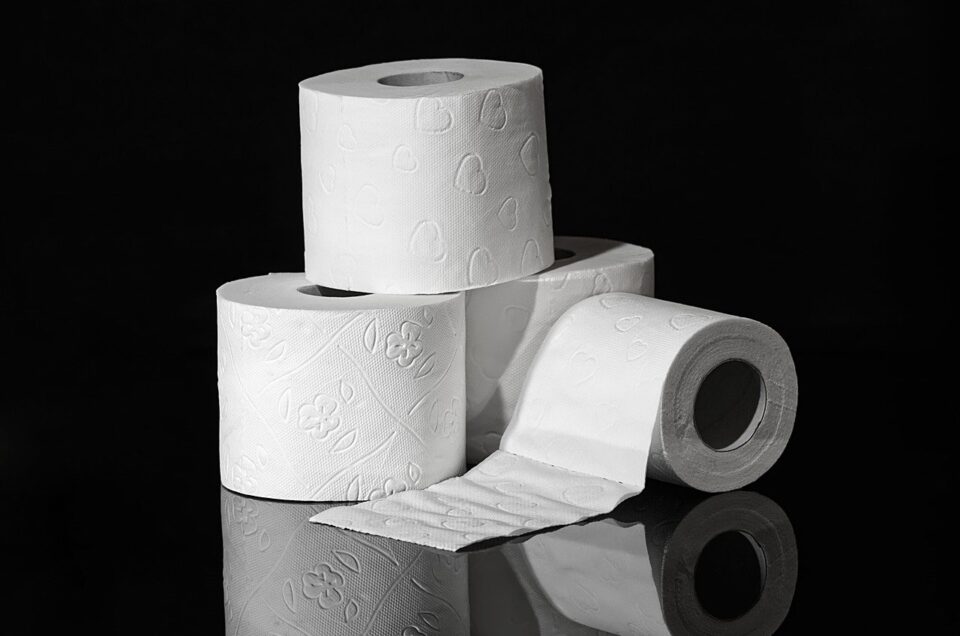
It's easy to assume that the toilet paper shortage in the U.S. is caused by panic buying and hoarding but there really might be a supply problem.
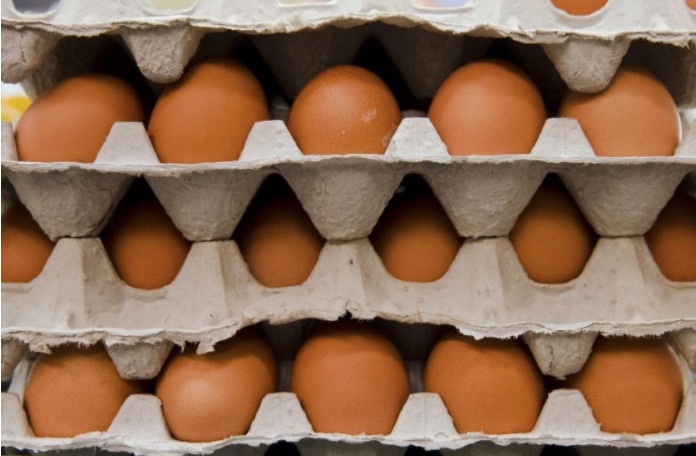
Whereas toilet paper shortages have been in the news, the headlines could also have included surging egg demand, especially in Israel.