February 4, 2015

Within the discretionary spending slice of the government spending pie, research and development at the NSF is a tiny part of the federal budget.
Within the discretionary spending slice of the government spending pie, research and development at the NSF is a tiny part of the federal budget.
A person whose goal is growth and innovation, the founder of Parcel is an example of Joseph Schumpeter's high impact entrepreneur and creative destruction.
Decisions that relate to standardizing clock time and solar time, and global time zones create commercial negative and positive externalities.
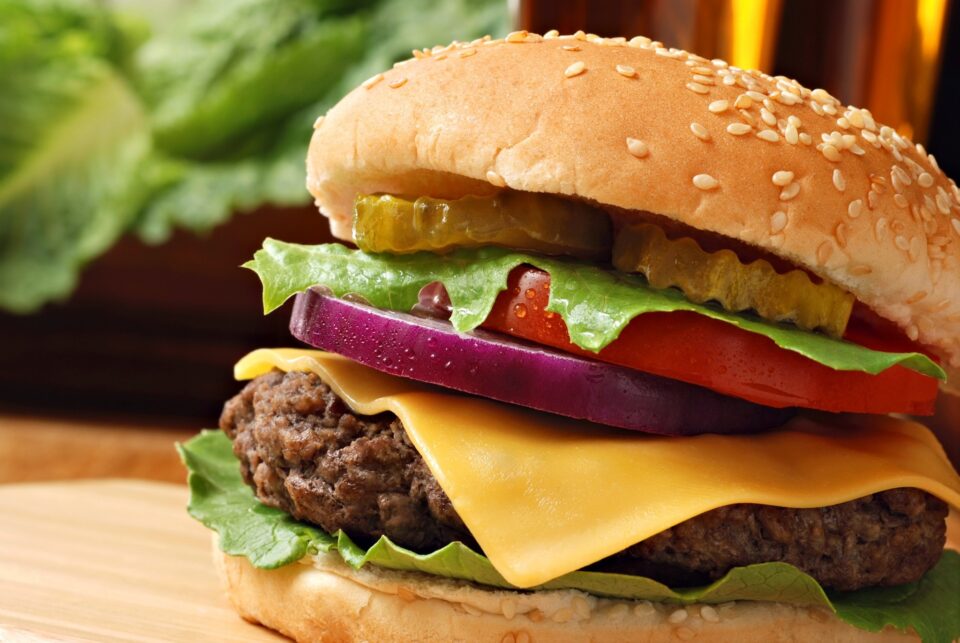
Displaying the characteristics of monopolistic competition, Shake Shack is showing how the U.S. burger market is adjusting to a changing consumer.
Because of monopoly pricing power, as a price maker with sole Super Bowl broadcast rights, NBC can charge $4.5 million for a 30 second ad slot.
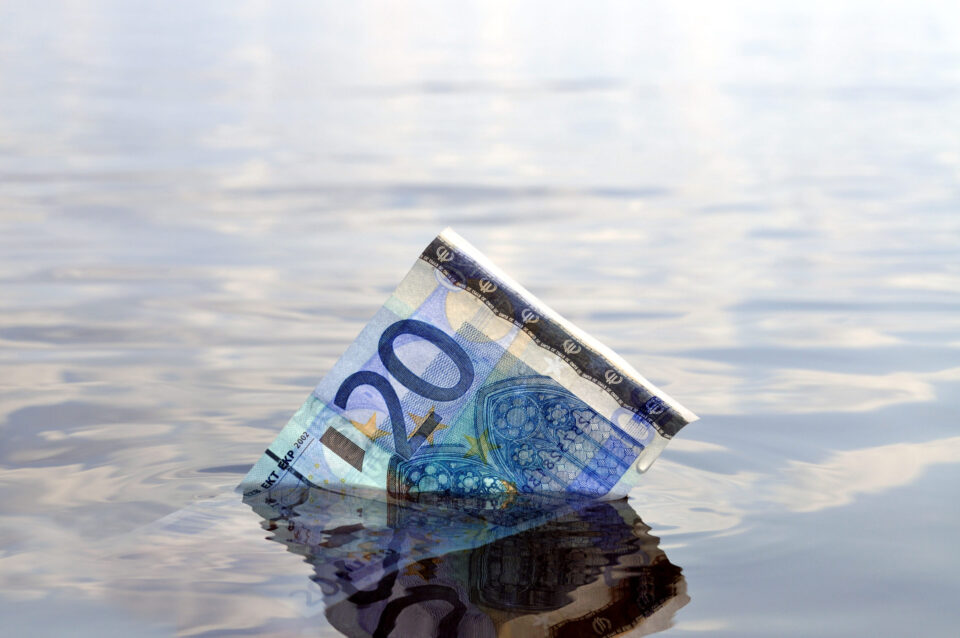
Reflecting collective intelligence, markets in Greek CDSs and Greek bonds, and the dwindling deposits of Greek banks show if we'll have a Greek default.
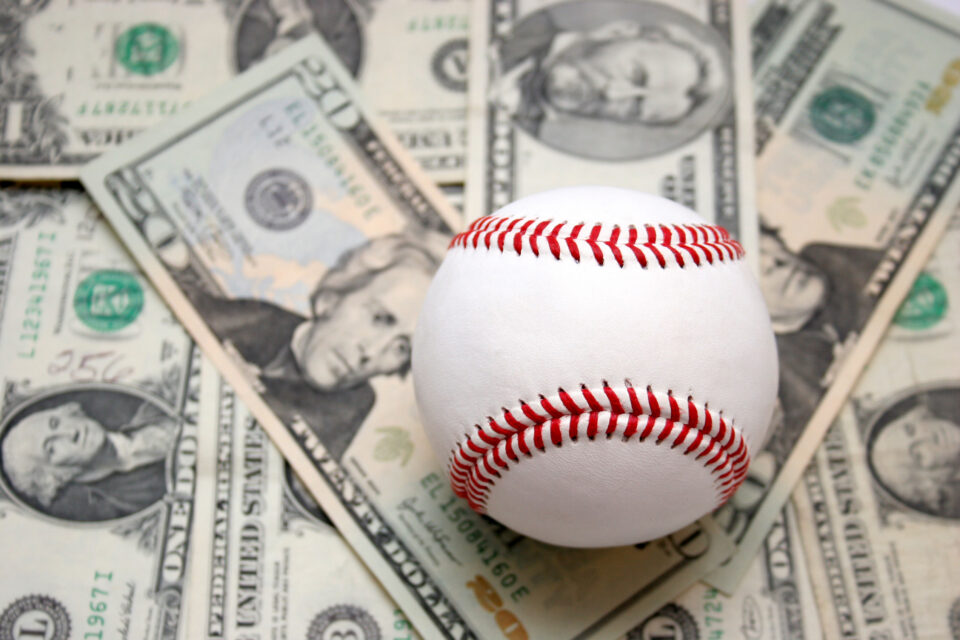
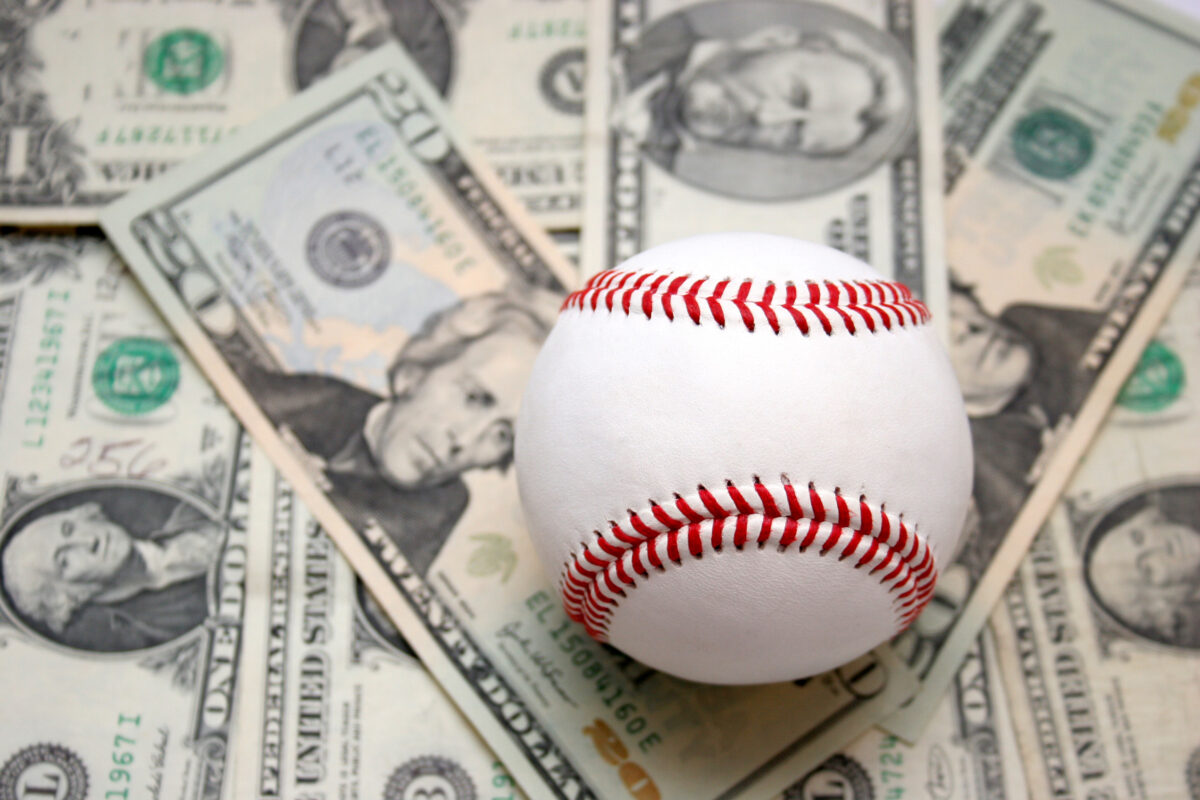
As baseball history shows, as with GDP, with inflation we need a nominal and real amount to compare different years' salaries and calculate future value.
People and nations might perpetuate a bad investment because they look back at their past sunk costs. Instead they should compare future cost and benefit.
Through a behavioral economics lens, our reaction to a price relates to a frame or reference point that creates an association with a gain or a loss.
In behavioral economics, expectations bias studies on rats from Robert Rosenthal show how the small number of female CEOS is a self-fulfilling prophecy.
Behavioral economics explains that we sign up for health clubs and then don't exercise because of unrealistic pre-commitment and upfront payment.