January 20, 2015
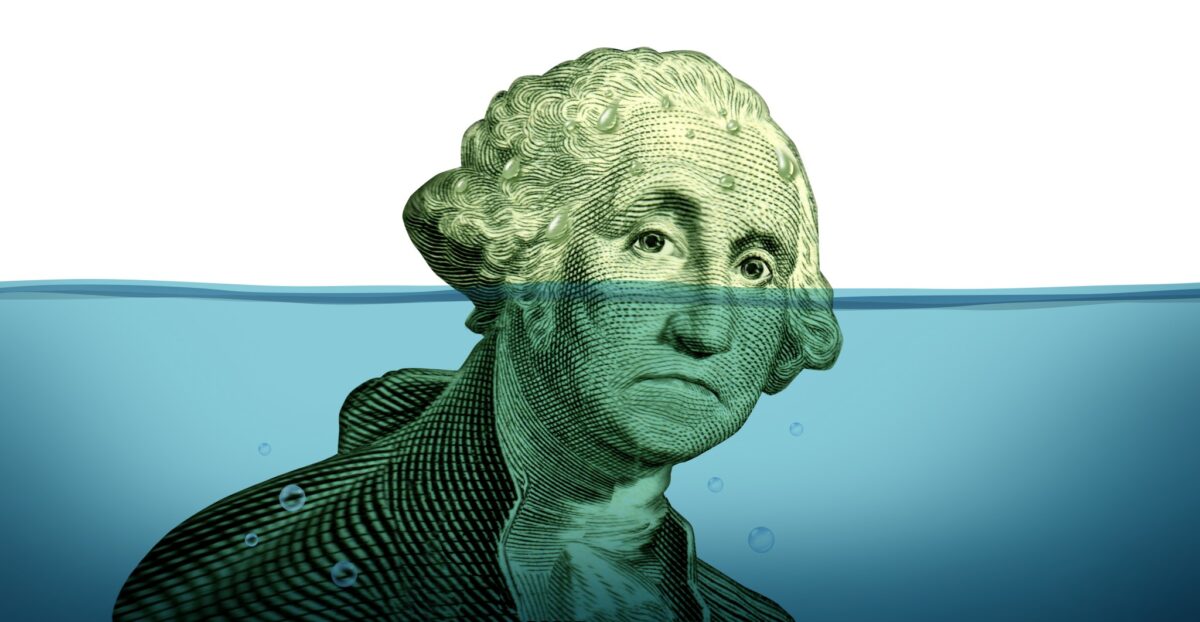
Explained by behavioral economics, we save relatively little for retirement because of intertemporal selfishness and seeing our future selves as strangers.
Explained by behavioral economics, we save relatively little for retirement because of intertemporal selfishness and seeing our future selves as strangers.
While everyone refers to the middle class and most of us say we are in the middle class, few know the characteristics of the group to which they refer.
With the House requiring dynamic scoring of tax legislation from the CBO, the bigger tax debate resurfaces on how much redistribution and spending.
Behavioral economic ideas show that product differentiation and consumer preference are more from branding than the taste of colas or beers.
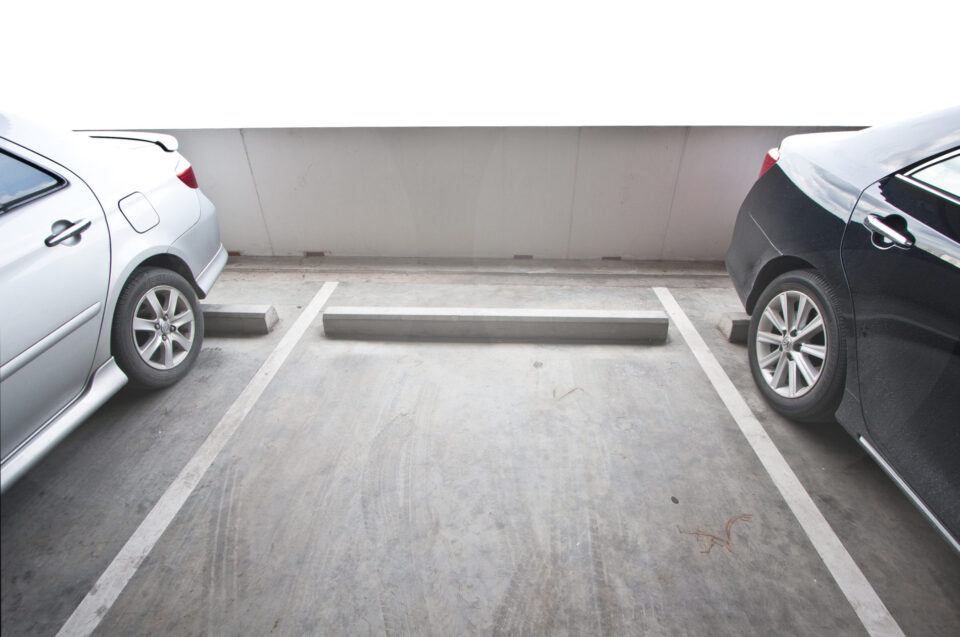
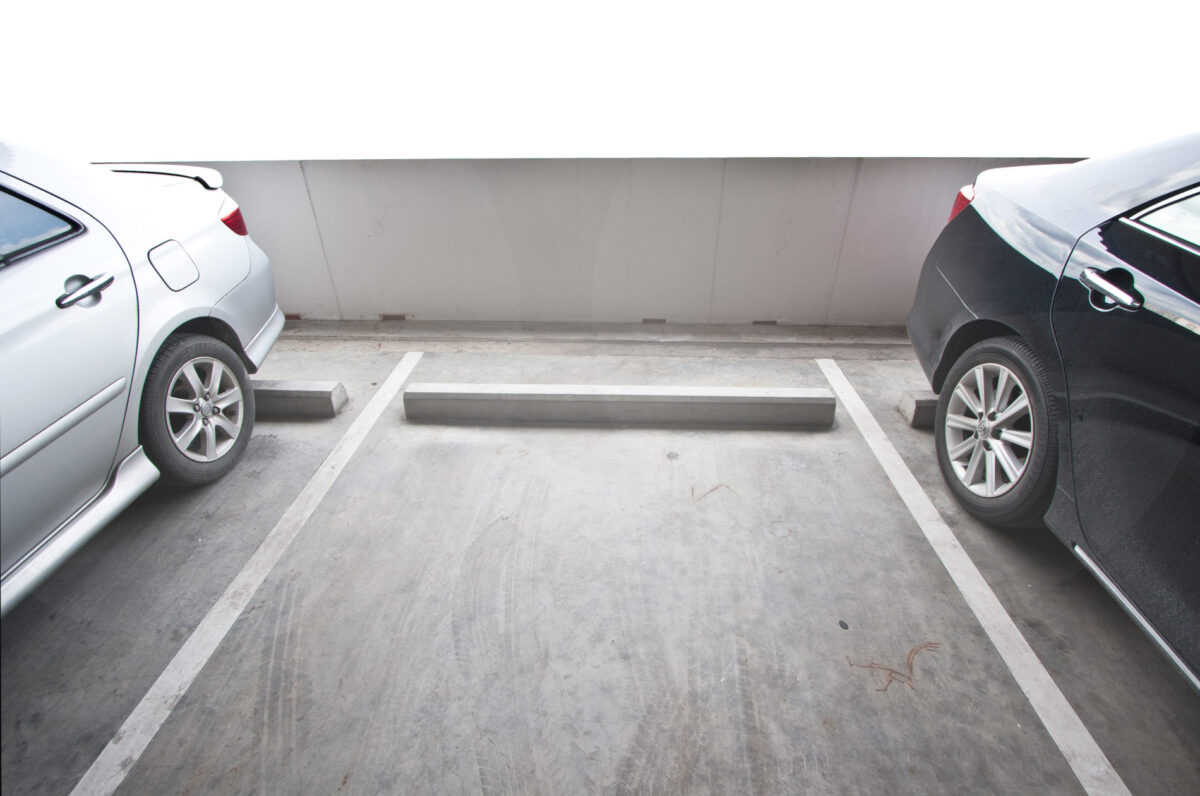
Including congestion, wasted gas, time and emissions, cheap parking creates negative externalities that variable pricing of parking spaces can eliminate.
Relating income inequality to the stress felt by low status Bolivian Tsimane men and academy award losers, researchers said that stress that harms health.
Illustrated through word use and data selection in research, politically liberal and conservative economists display a tendency toward confirmation bias.
A single statistic like the unemployment rate for Japan, the European Union and the U.S. can be misleading until we look more closely at what it represents.
Although protestors in Detroit and Ireland say water is a human right, economists, citing a definition of a public good and a tornado alarm, would disagree.
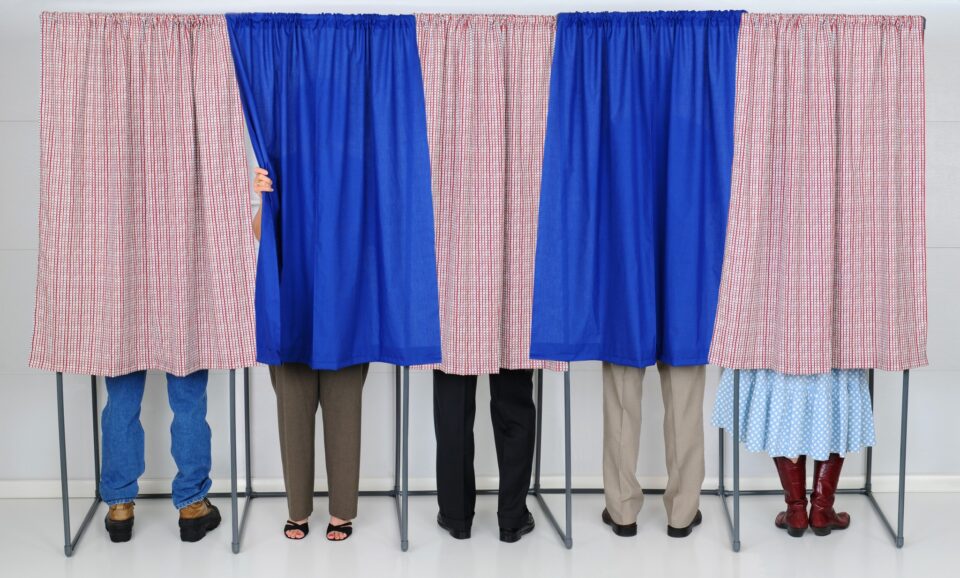
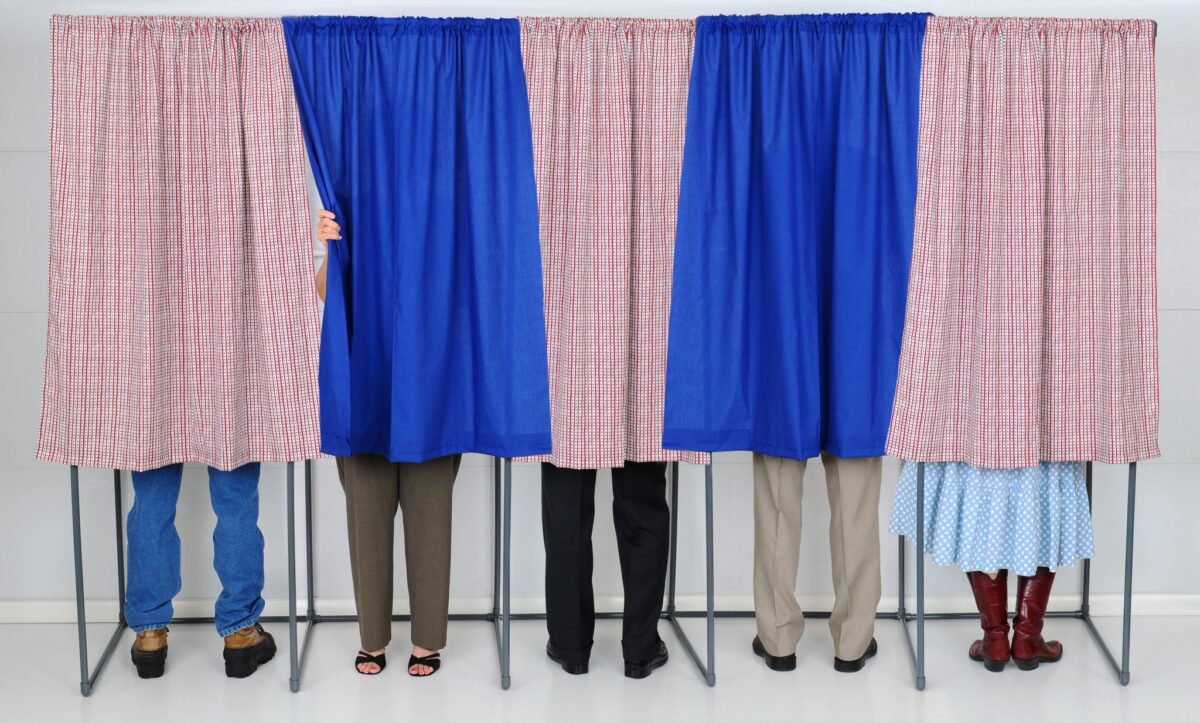
Because "I Voted" stickers indicate voting is a social norm, like paying taxes or saving electricity, people are more likely to act like their neighbors.
While Ebola fear caused raw cocoa futures prices to rise in September, its long term rise has been because of more demand from developing nations.