August 3, 2015

As we improve our transportation infrastructure, the roundabout has become increasingly attractive because of safety, ease and cost.
As we improve our transportation infrastructure, the roundabout has become increasingly attractive because of safety, ease and cost.
Because the presence of women in Major League Baseball (MLB) management positions is very small, they have diminished their talented human capital supply.
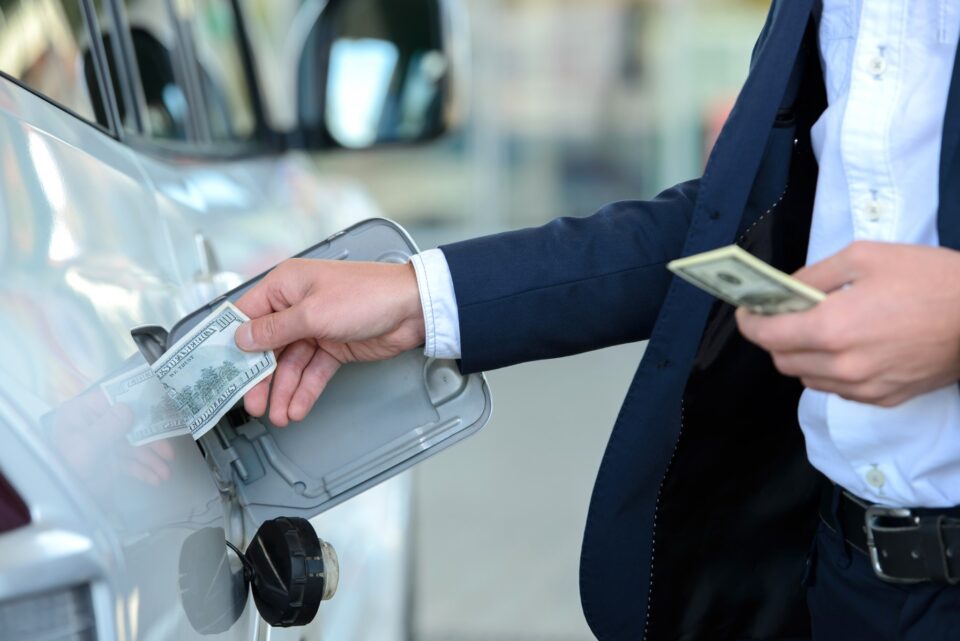
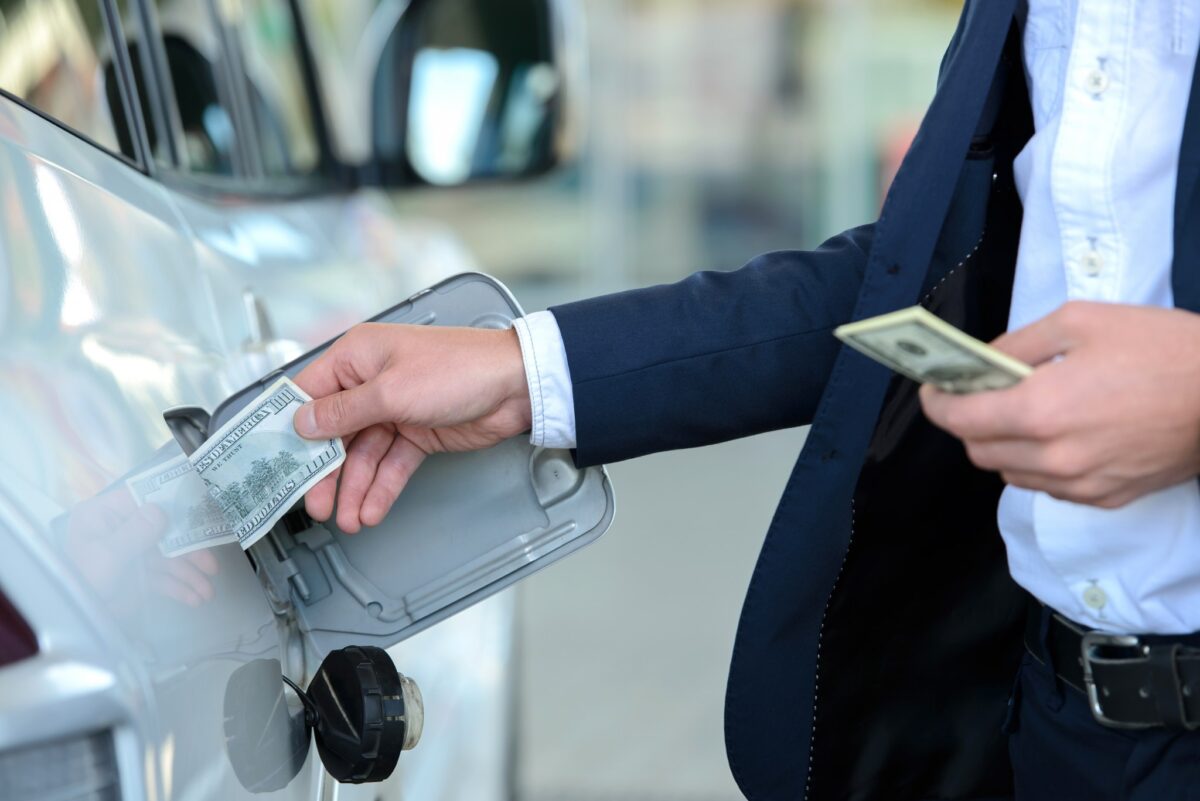
Because of a low gasoline tax, the Highway Trust Fund does not have enough money to maintain the transportation infrastructure of highways and mass transit.
Personal income relates to how long we sleep. Less sleep can diminish the productivity that brings a higher wage. But also, less sleep means more work time.
Weighing cost and benefit for Seattle's recycling environmental regulation involves privacy, dollars, time, and respect for the law and our environment.
Focusing on production and distribution, economists look at the role of markets and of government when they try to determine what causes and ends famines.
Among the least popular forms of taxation, property taxes are the most desirable because of their incentives, whom they target and their resilience.
As the automation of airplanes and autos increases, human capital questions have to be answered about whether we are safer when people know more or less.
To the dollars families spend on children, we can add the cost of stress from the time we devote to developing a child's human capital.
Regulation can have unintended consequences. With football helmets or seat belts or even financial regulation, protection can create more reckless behavior.
Through a cost and benefit approach to crime control, the limited money available for municipal spending can be spent most efficiently.
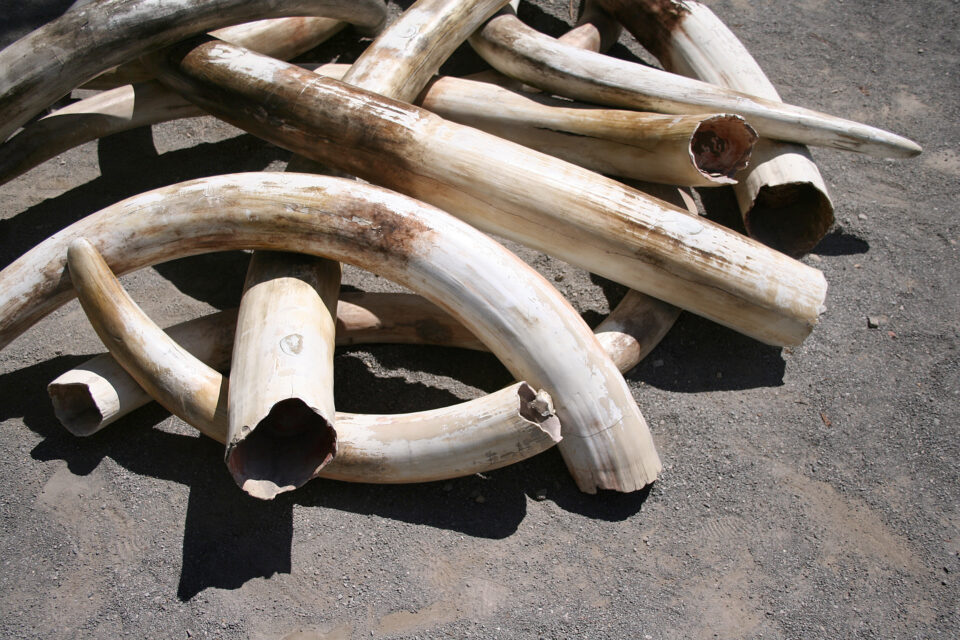
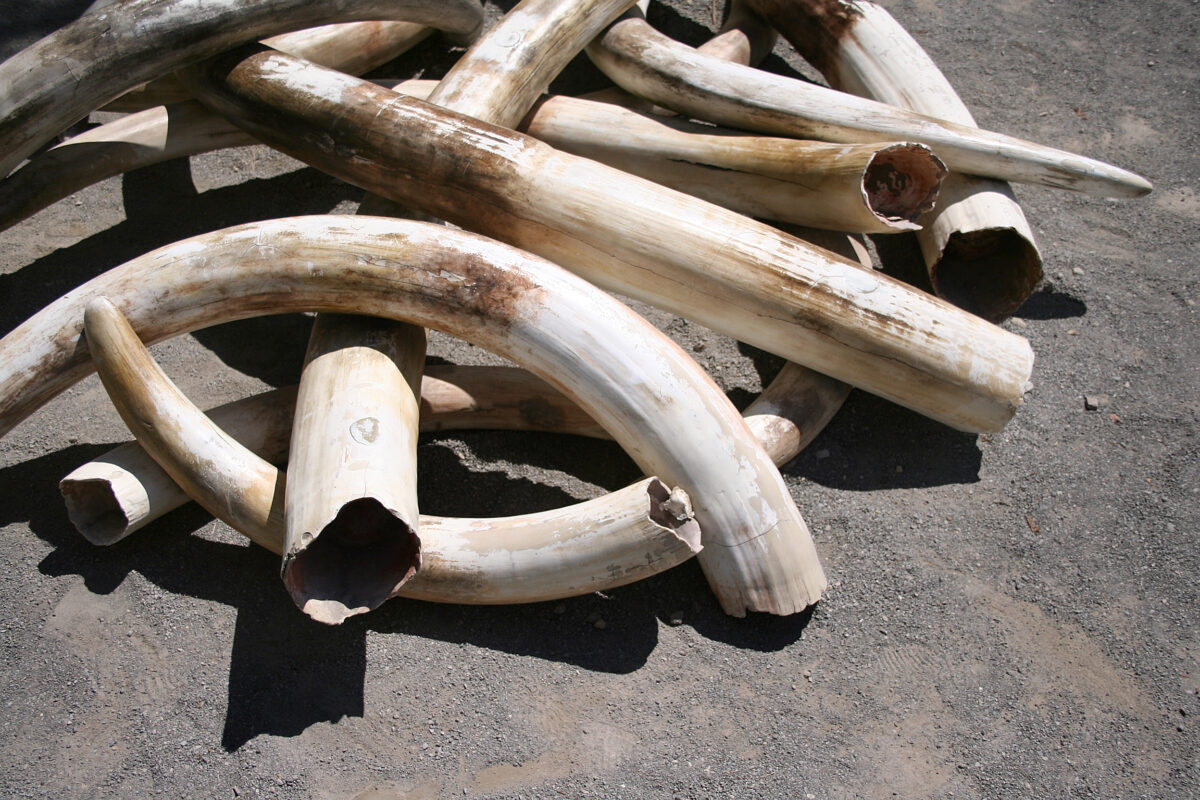
The market solutions and regulatory approaches used to solve the problem of elephant poaching have not worked for wildlife conservation in Africa.