April 22, 2018
Whether we look at a cartoon on women's "mental load" at home or a recent study on the gender pay gap in Denmark, the problem is the mommy penalty.
Whether we look at a cartoon on women's "mental load" at home or a recent study on the gender pay gap in Denmark, the problem is the mommy penalty.
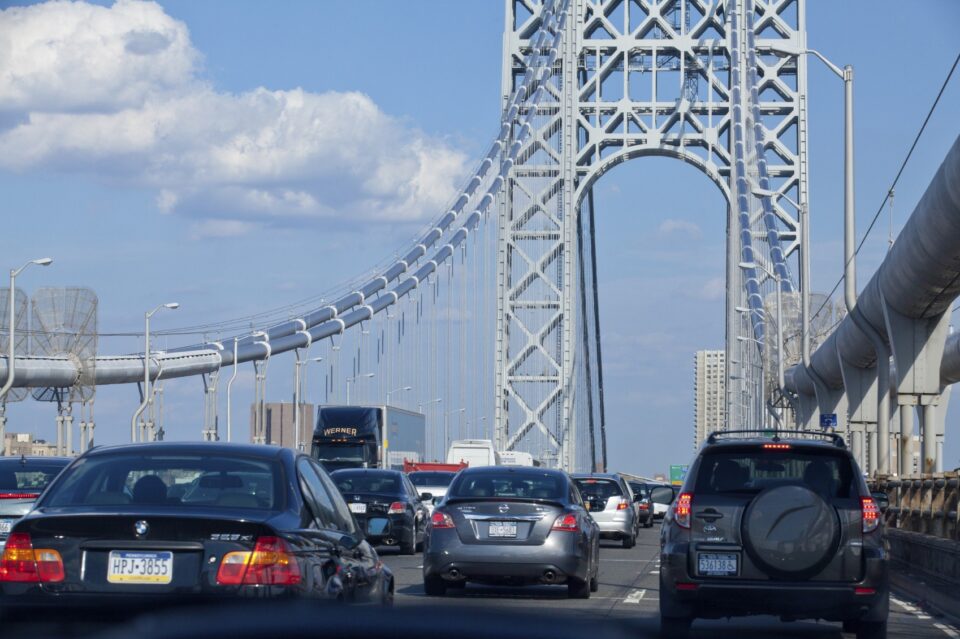
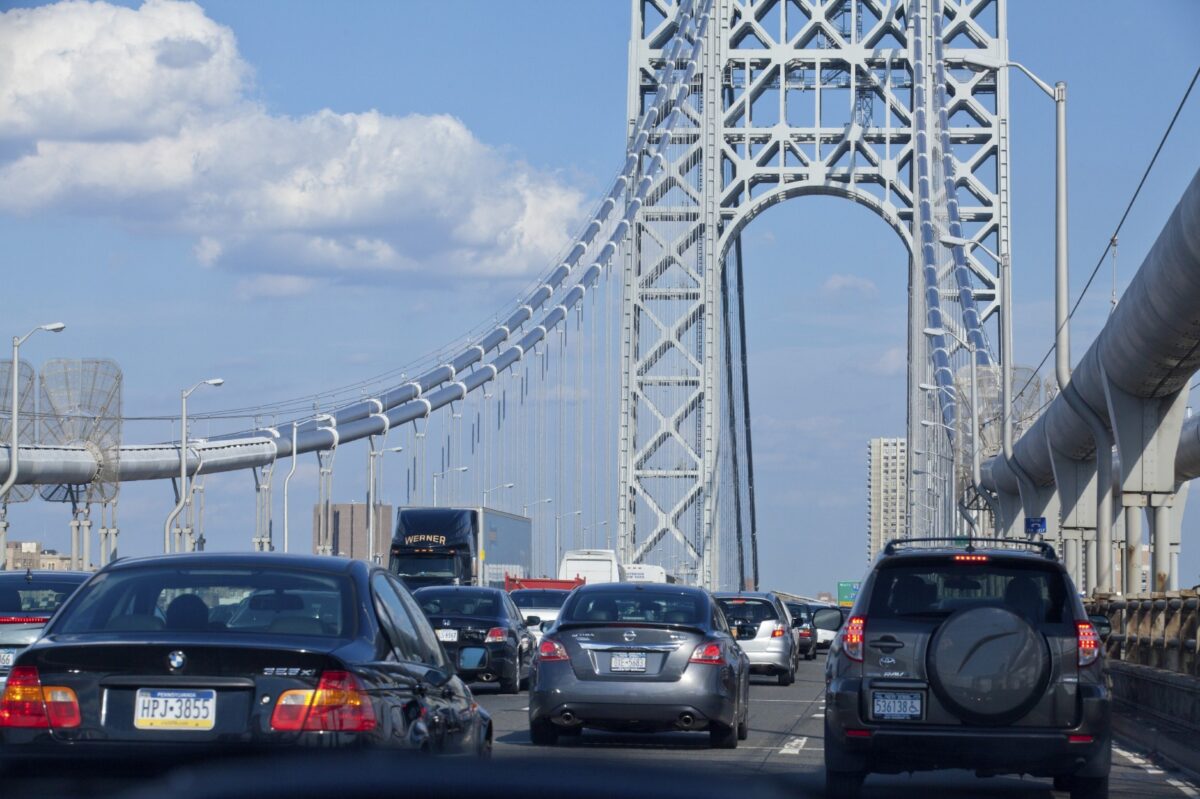
With more drivers using Waze and other traffic apps to avoid rush hour delays, local neighborhoods have begun to resist the disruption.
A paradox explains why our concern for wildlife conservation might not extend to the charismatic animals we most care about.
Deciding which groups should give which should receive, government redistribution policies could be based on a generational lens.
Told that their least favorite candy might no longer exist, people are panic buying NECCO wafers and Sweethearts because the New England Confectionary Company could shut down.
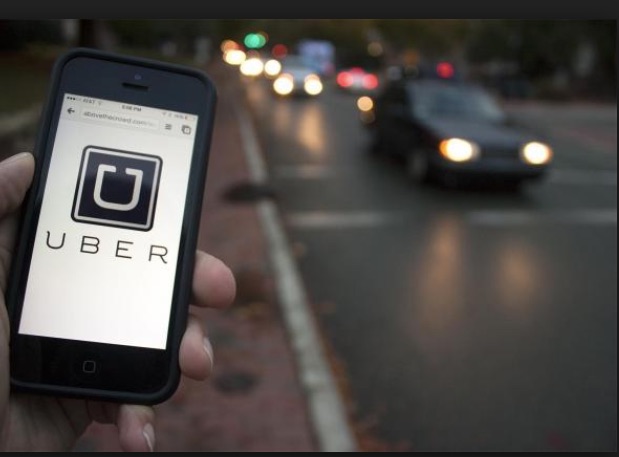
There are some good reasons that most of us are contributing to a reputation inflation that diminishes the meaning of an Uber driver rating score.
Looking at voting preferences, researchers uncovered a surprising change in attitudes about Israeli/Palestinian conflict resolution from new investors.
Recognizing the importance of becoming gender neutral, groups that range from Nantucket's Selectmen to the U.S. Marines are changing job titles.
Looking at our day-to-day emotions and our life evaluation, recent studies give us some answers about whether money brings happiness.
By purchasing an adult fish for thousands of dollars, the buyers of an Asian arowana were engaging in conspicuous consumption.
With Daylight Saving Time (DST) having just begun, we might find that shifting sunlight from the morning to the evening has made us safer.