September 8, 2021
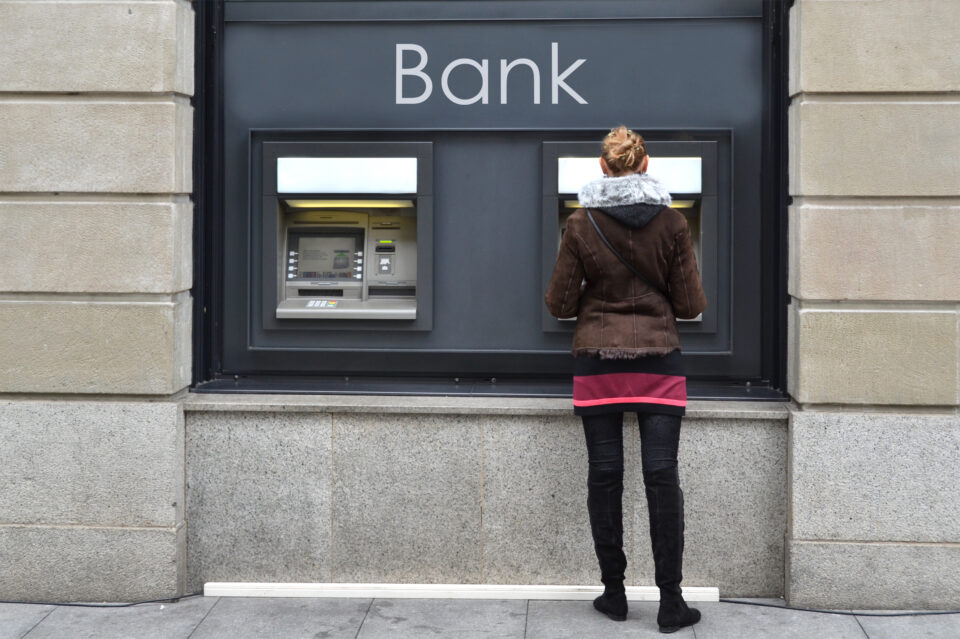
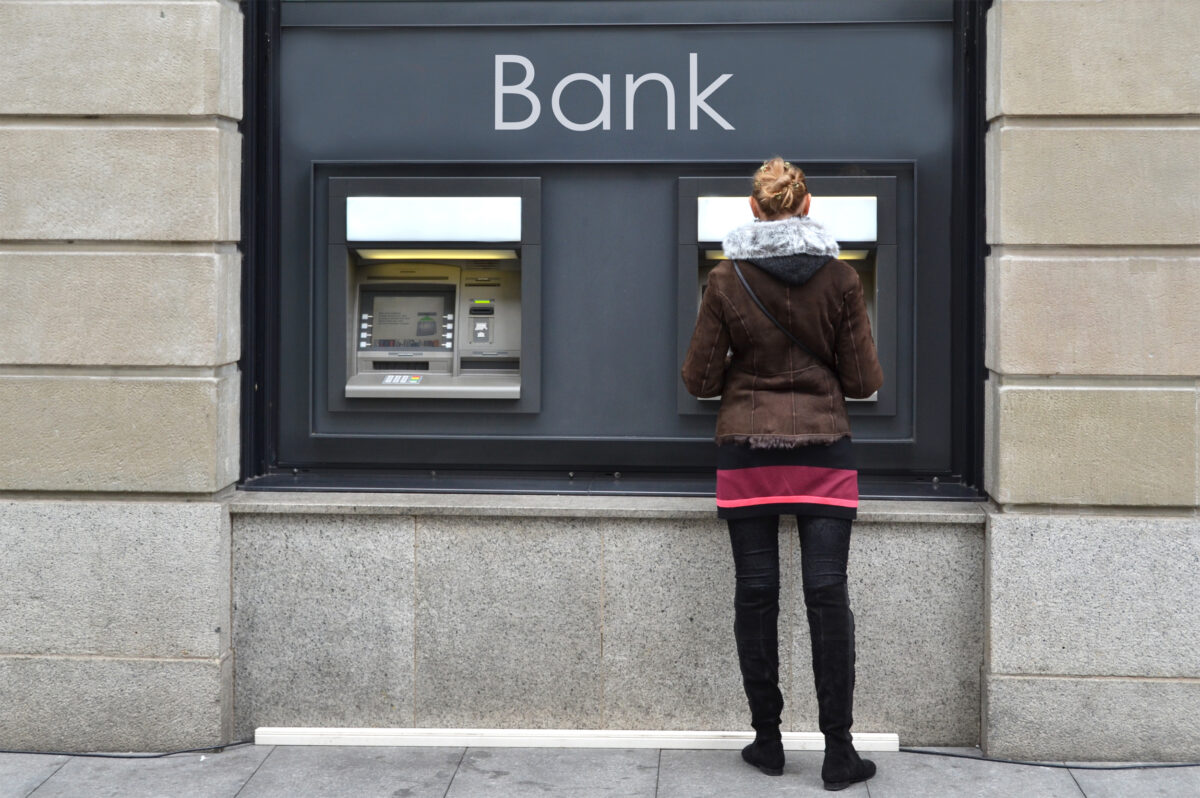
The Atlanta Fed looked at how we spend our twenty dollar bills to see the ATM's impact on whether we use cash or debit or credit.
The Atlanta Fed looked at how we spend our twenty dollar bills to see the ATM's impact on whether we use cash or debit or credit.
Just when we think we have a safe approach to Investing and Covid, our risky behavior increases, thereby making us more vulnerable.
Our August e-links begin with some insight from Daniel Kahneman, the first (and only) psychologist to win the economics Nobel award.
By increasing cigarette taxes, states provided an example that extends beyond smoking of how a higher cost leads to healthier habits.
When supermarkets carry fewer products, they lose the benefit of more variety but also minimize the cost of creating too many decisions.
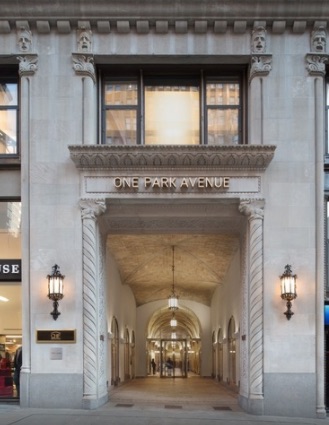
Looking at "The Address Book What Street Addresses Reveal About Identity, Race, Wealth, and Power," we can see how addresses matter.
We can wind up with misleading metrics when the number we use as a goal becomes the incentive that distorts output decisions.
Because tax systems matter, we can look at tax evasion in the U.K., at IRS problems in the U.S., and at the OECD to see what works.
In its 2021 Urban Mobility Report, Texas A&M tells us how and where Covid vastly changed our commuting time and our traffic congestion.
Looking back and looking ahead at our tipping behavior, we can expect tips to remain a social norm that will increase.
Whether looking a the strikes called by an umpire or the scores from wine tasters, we would see inconsistent decisions that are called noisy.