March 16, 2015
With the U.S. hitting a debt ceiling that is equal to the GDP, concern over U.S. spending is growing as the Congress again decides how to avoid a default.
With the U.S. hitting a debt ceiling that is equal to the GDP, concern over U.S. spending is growing as the Congress again decides how to avoid a default.
As the pill, education and employment opportunities changed the value of women as wives, the tradeoffs that relate to being married have also changed.
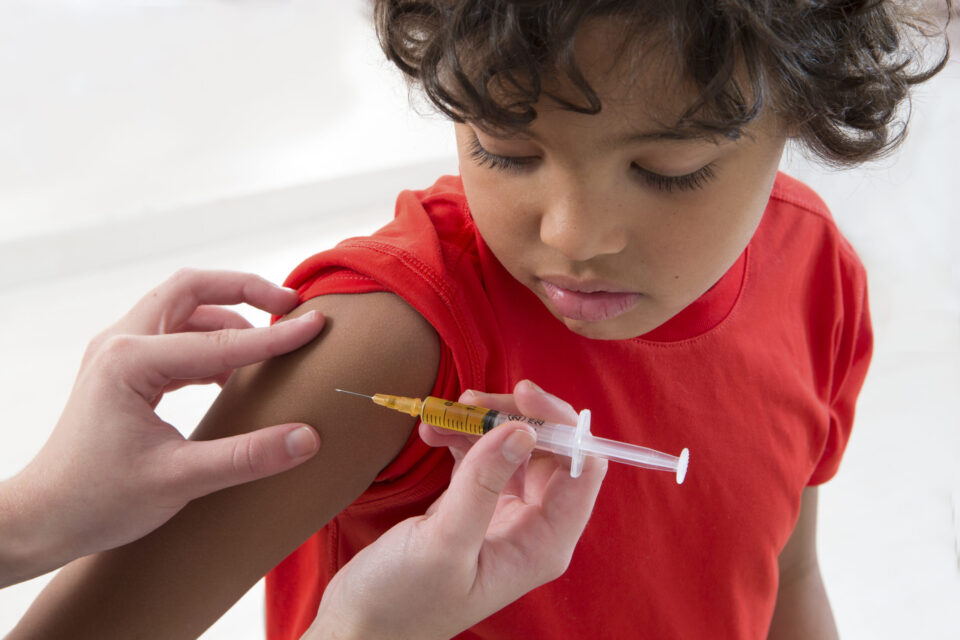
With better school attendance and learning, and then higher work productivity, the positive externalities of childhood vaccination have an economic impact.
Facing an aging population and more entitlements, countries that are encouraging more births to expand the labor force might be creating a bigger problem.
As population shifts, developed nations will have redistribution decisions as the proportion of the non-working aged and the young need more labor income.
As the source of monetary policy, the Federal Reserve has to decide if interest rates should rise when inflation is low but a jobs recovery has begun.
GDP problems include that it's not calculated the same way in different countries, its data can be tough to gather, and its components omit important items.
Limiting potential economic growth, the myth of innate talent in disciplines like philosophy diminishes the pool of female and Afro-American human capital.
With implications that extend beyond sports, believers in classical economics and in behavioral economics are debating whether players can have streaks.
With the House requiring dynamic scoring of tax legislation from the CBO, the bigger tax debate resurfaces on how much redistribution and spending.
Behavioral economic ideas show that product differentiation and consumer preference are more from branding than the taste of colas or beers.