July 23, 2015
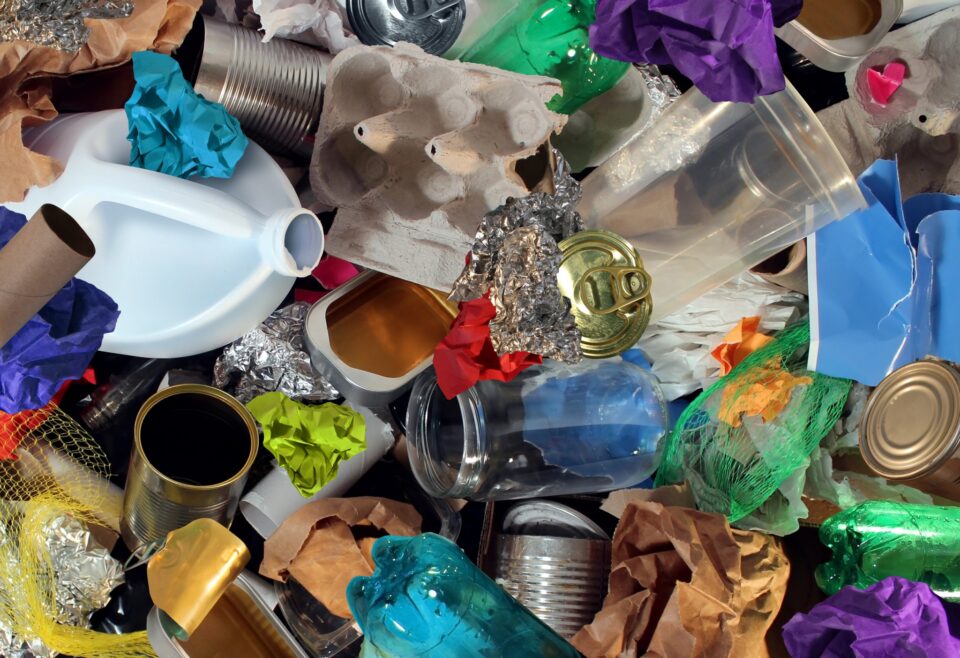
Weighing cost and benefit for Seattle's recycling environmental regulation involves privacy, dollars, time, and respect for the law and our environment.
Weighing cost and benefit for Seattle's recycling environmental regulation involves privacy, dollars, time, and respect for the law and our environment.
Focusing on production and distribution, economists look at the role of markets and of government when they try to determine what causes and ends famines.
The reasons for relatively smaller increases in U.S. productivity are a mystery that could involve understating the new sharing/data economy.
As an innovation, the bicycle was a stepping stone that helped human capital move onward to other inventions like the airplane, the auto and better roads.
By asking Apple to pay her and other artists when customers get their music for free displays Taylor Swift's understanding of the basics of capitalism.
Among the least popular forms of taxation, property taxes are the most desirable because of their incentives, whom they target and their resilience.
As the automation of airplanes and autos increases, human capital questions have to be answered about whether we are safer when people know more or less.
Comparing debt to GDP is like looking at a mortgage loan and household net worth. It can help us decide when a sovereign debt became too large.
Regulation can have unintended consequences. With football helmets or seat belts or even financial regulation, protection can create more reckless behavior.
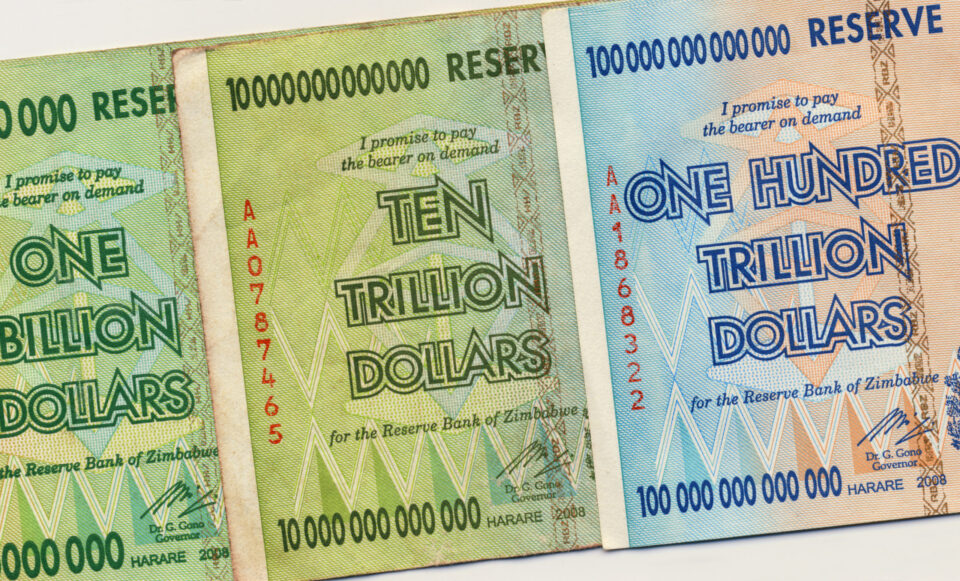
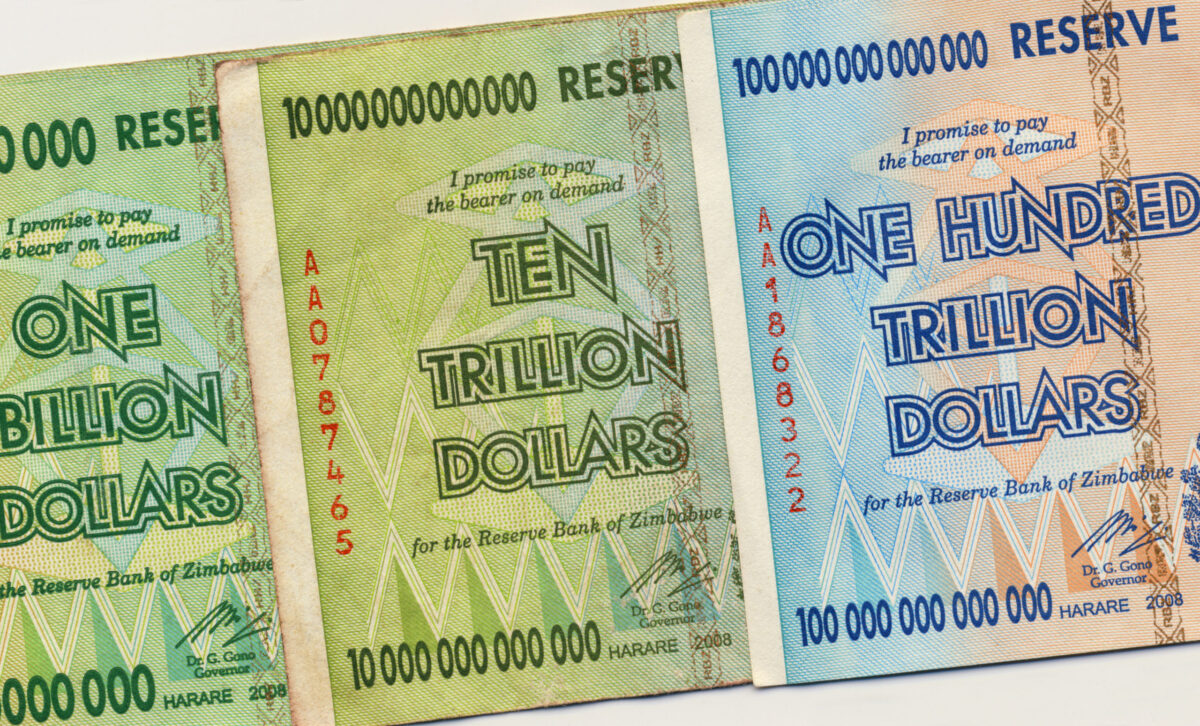
Coping with hyperinflation, Zimbabwe finally had to replace their currency with the US. dollar. A low inflation rate should be their monetary policy goal.
The market solutions and regulatory approaches used to solve the problem of elephant poaching have not worked for wildlife conservation in Africa.
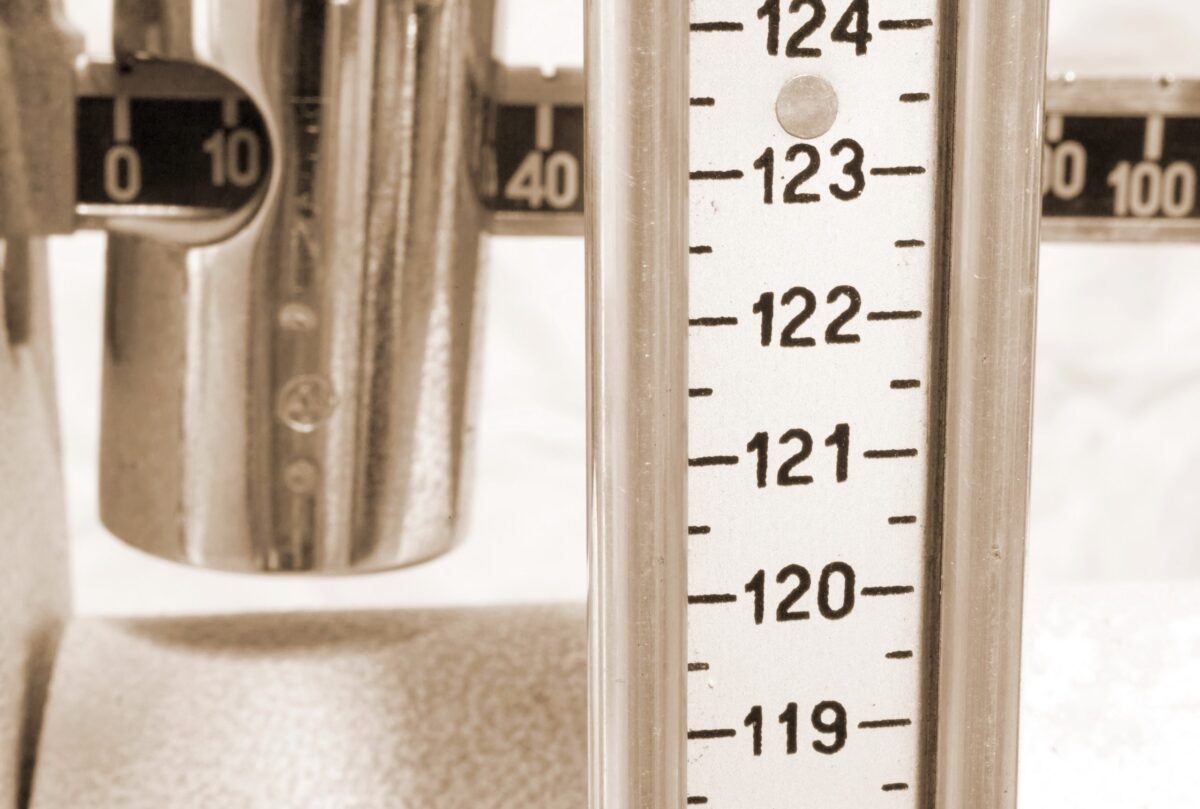
Long assumed to have a direct relationship, the connection between height and GDP becomes more complex when we compare India and Africa.