
July 12, 2024

June 7, 2024
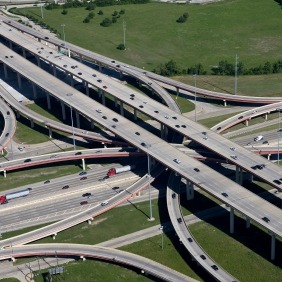
We could call the Covid pandemic a dividing line that changed where we work and the distance that our commuting time occupies.
June 4, 2024

To solve New York City's subway and bus fare evasion, a behavioral economist would suggest a nudge that created new incentives.
May 26, 2024

Looking at 61 countries, researchers triangulated the world into the most walkable cities, and those with more public transport, and cars.
May 23, 2024
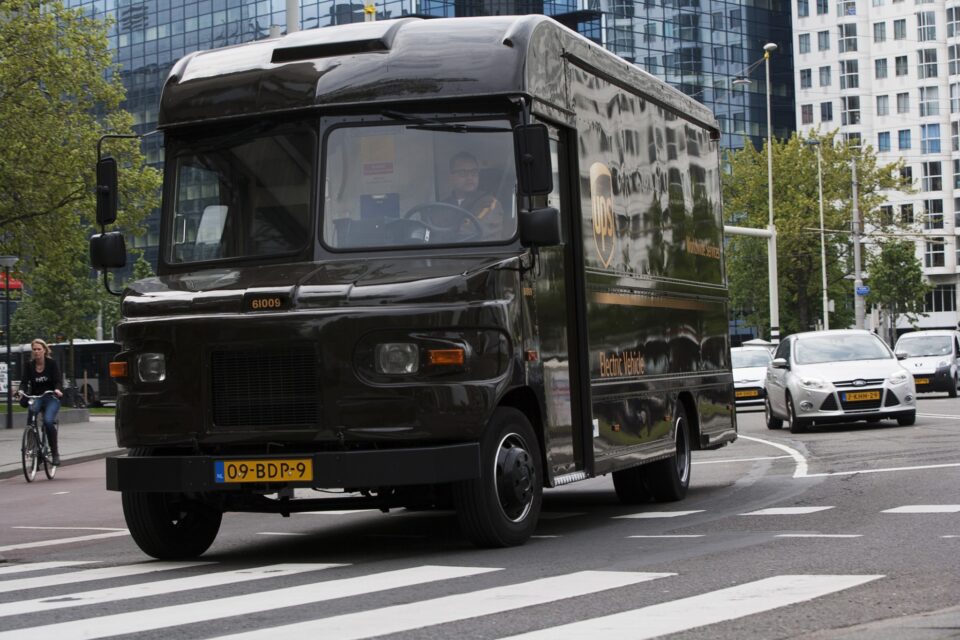
Traffic experts suggest that banning left turns creates a slew of unexpected benefits that offset the inconvenience.
May 19, 2024
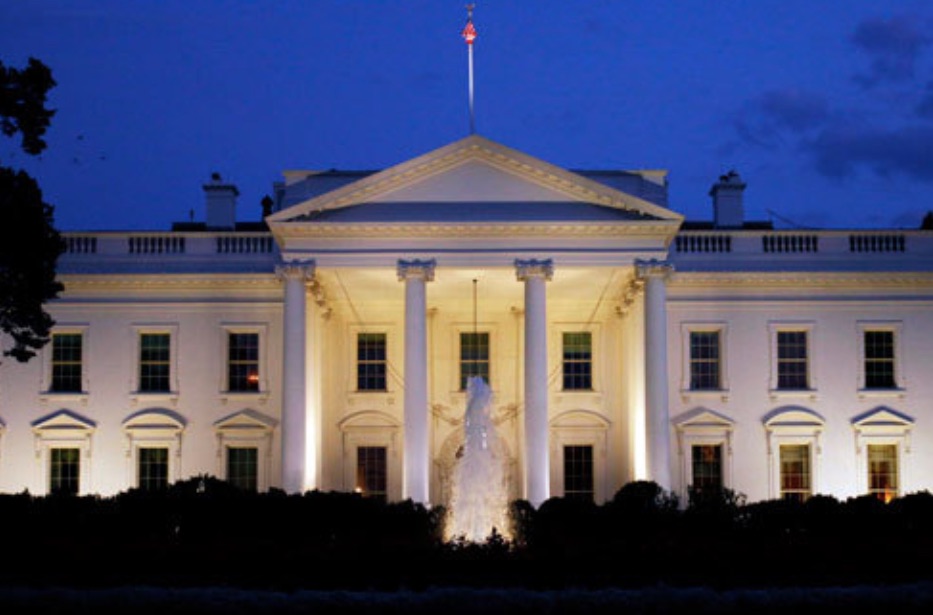
Starting with George Washington and concluding with rercent presidents, we can see how presidential wealth relates to economic growth.
May 16, 2024

Describing Saudi Arabia's plan for Neom, we can look back at tall building construction and ask if it signals stages in the business cycle.
May 13, 2024

As a strategy used by airlines after deregulation, hub and spoke also offers potential for e-commerce deliveries in NYC.
April 25, 2024
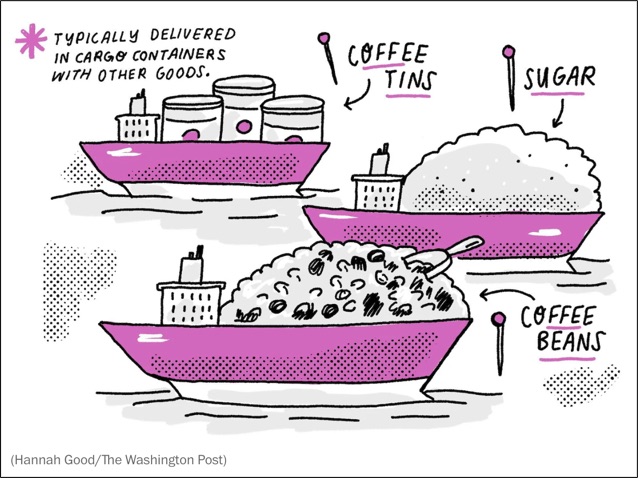
Participating in a coffee supply chain, the Port of Baltimore upset more than a single link when it closed.
April 24, 2024
March 28, 2024

While the length of the Francis Scott Key Bridge was just 1.6 miles, the cost of its collapse extended around the globe.
February 18, 2024






While Lyft is not the only company to experience an expensive typo, the mistakes would be minimized if analysts knew Benford's Law.