December 26, 2019

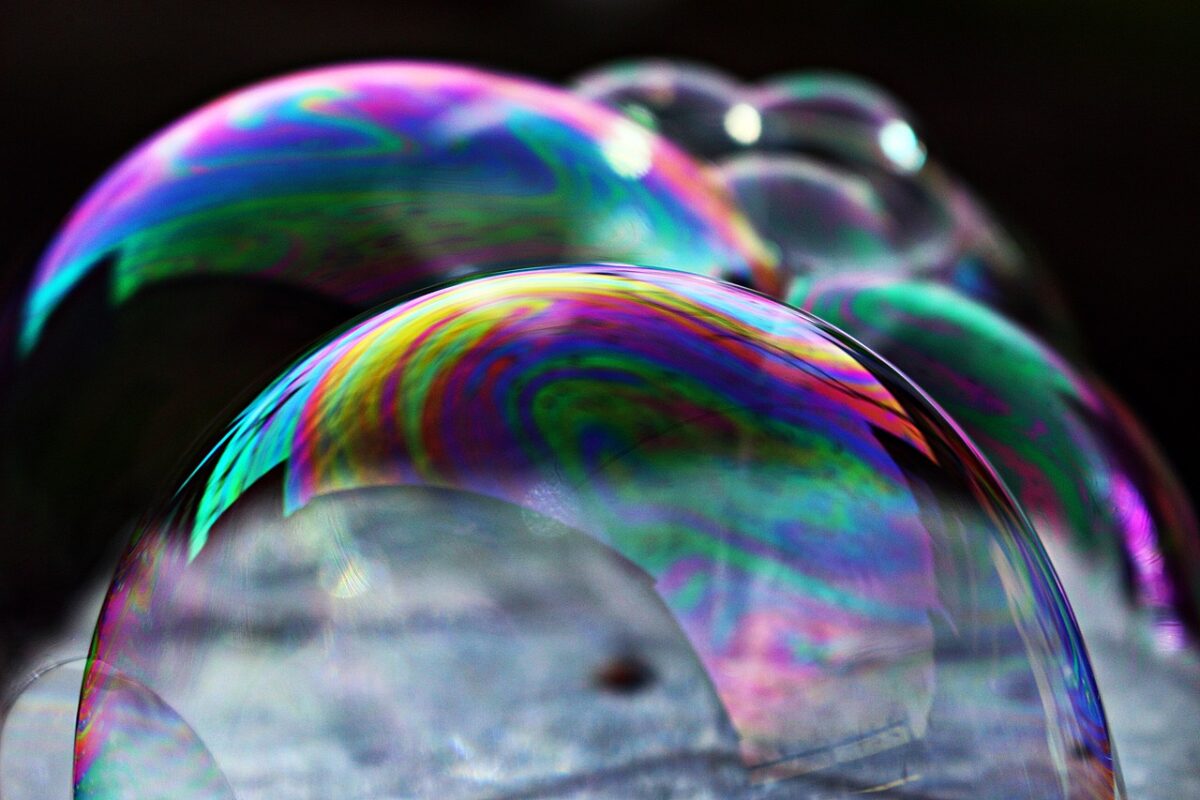
TBT: Looking at financial bubbles, we could see that stock markets, cupcakes, tulip bulbs, and real estate have a lot in common.
TBT: Looking at financial bubbles, we could see that stock markets, cupcakes, tulip bulbs, and real estate have a lot in common.
Although quantitative easing flooded the banking system with trillions of dollars, we are still debating how much it lifted the economy.
The six Federal Reserve facts that we need to know relate to why it was created, what it always does, and what is happening now.
Ranging from sock puppets in 2000 to the spread of the automobile in the 1920s, the causes of market bubbles are different and yet similar.
Although the U.S. budget deficit just hit a five-year high, an economist could explain why politicians and voters are not worried.
Through just six facts about the U.S. debt, we can get a pretty good picture of what it is, who funds it, and where it might go.
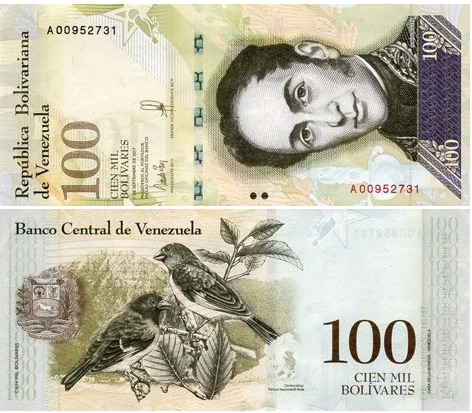
Calming the everyday monetary chaos created by Venezuela's hyperinflation is about much more than lopping zeros off its currency.
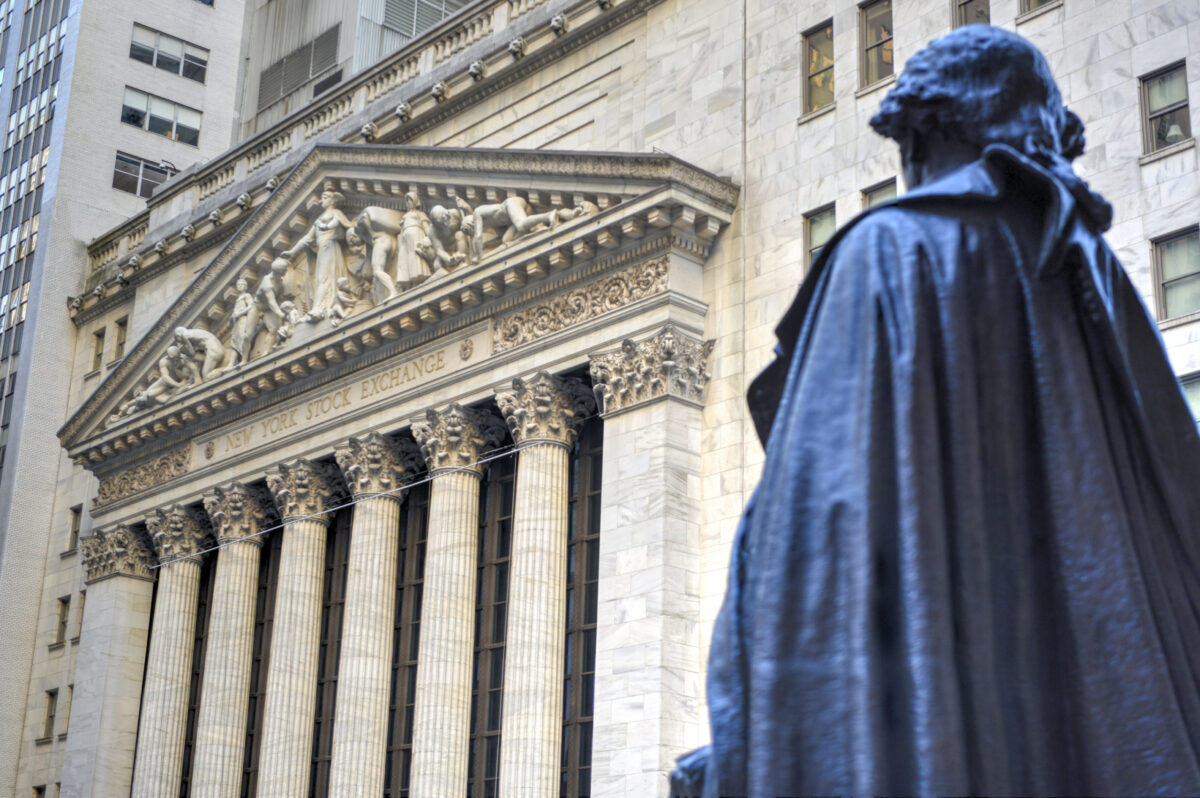
Whether looking at the nineteenth century or now, Wall Street has always had fast traders who knew how to get the news before their competitors.
#TBT: With General Electric leaving the Dow Industrial Average, today is a perfect time to look back at Charles Dow, Eddie Jones, and the Dow that GE joined in 1896.
Looking at voting preferences, researchers uncovered a surprising change in attitudes about Israeli/Palestinian conflict resolution from new investors.
Whether looking at 1637 or 2000, markets and financial bubbles always seem to find each other. As a surge in demand pushes prices up, the result resembles a bubble because it is full of air rather than value.