

Whether it's a $5 T-shirt, $8 gasoline, or the $100 million Magritte painting that was sold this week at a Christie's auction, we can depend on price to send a message.

With our foreign-born population occupying the headlines, and the probability that major policy decisions will relate to unauthorized immigrants, we need to know the facts and the tradeoffs.

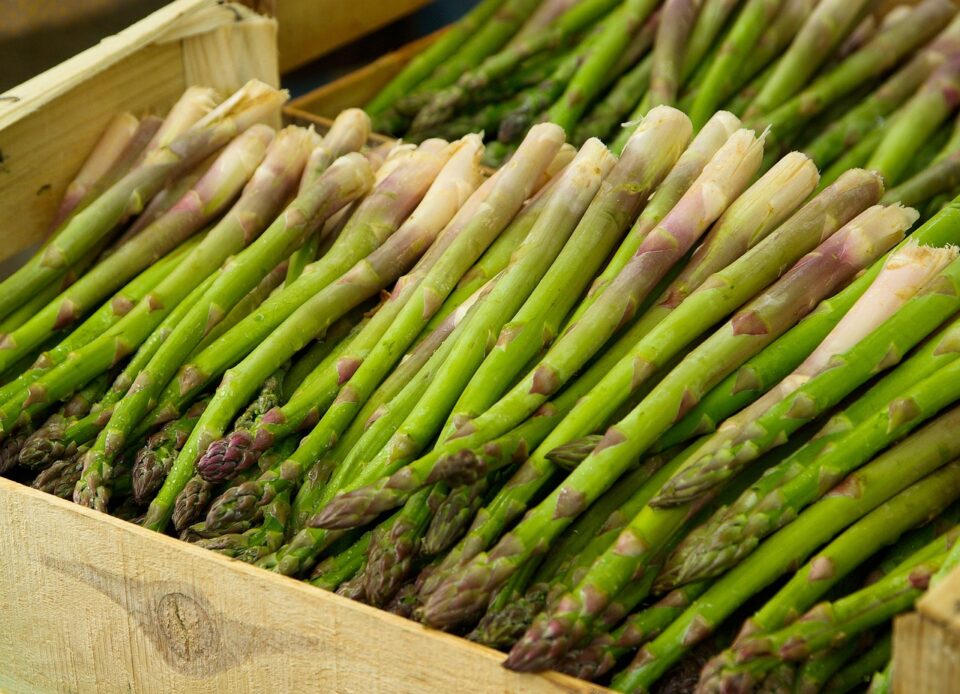
Illustrated by asparagus, how we transport our food from the farm to our home determines their carbon footprint and why buying local can surprise us.

Concerned with the mystery of a consumer economic disconnect, we look at why consumer sentiment fails to recognize robust GDP, inflation, employment, and equity data.

With the cost of artificial intelligence ( AI ) skyrocketing as it even spreads to dating apps, we can ask if AI productivity will justify the massive spending.

Connecting economics, current events, and history, this week's economic news roundup ranges from a unique identity to eliminating roads.

Continuing with our November e-links, today we recommend a Steve Leavitt podcast that looks back and ahead to explain why some nations fail and others so not.
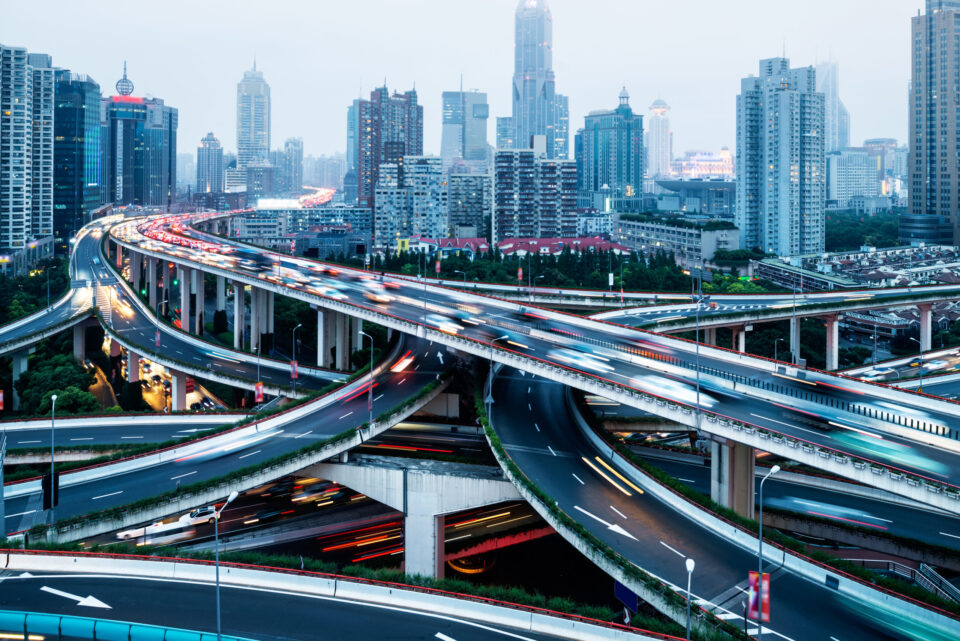



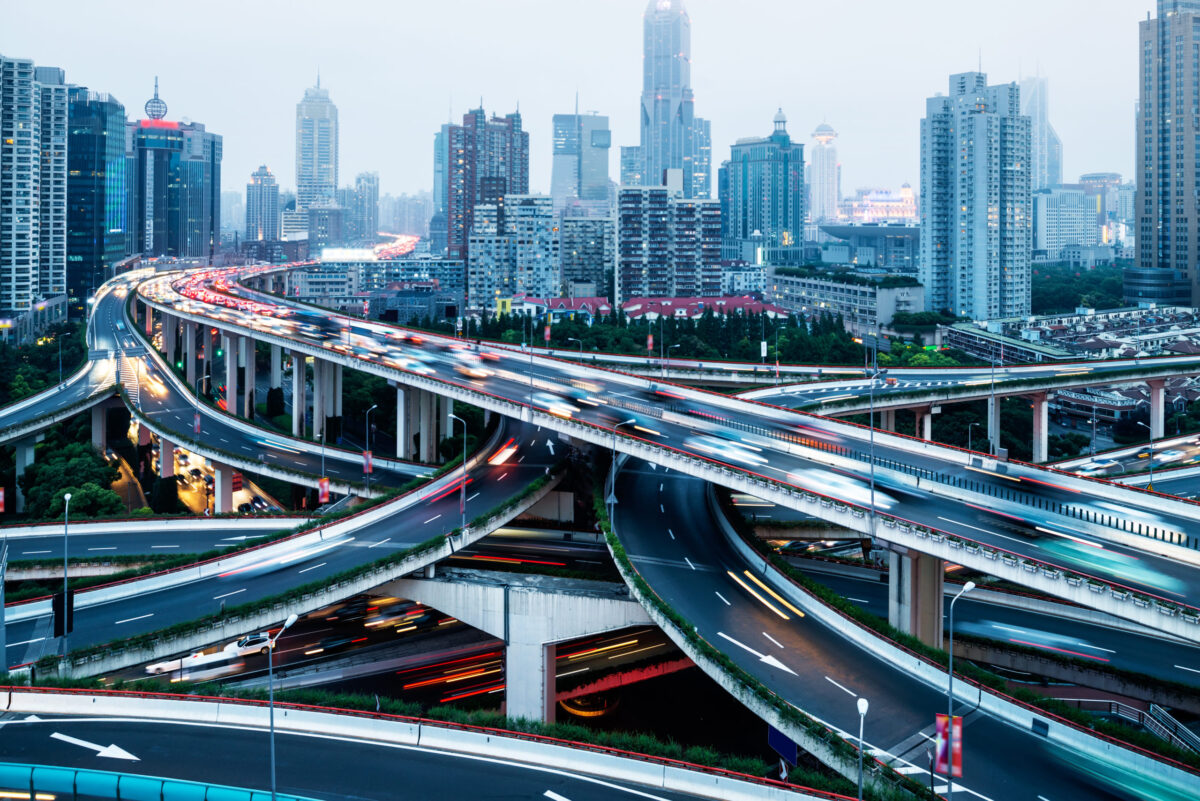
Looking at cost and benefit in 316 urban areas, a recent study from the University of Pennsylvania suggests that rather than taking city streets for granted, we should ponder the alternatives.