
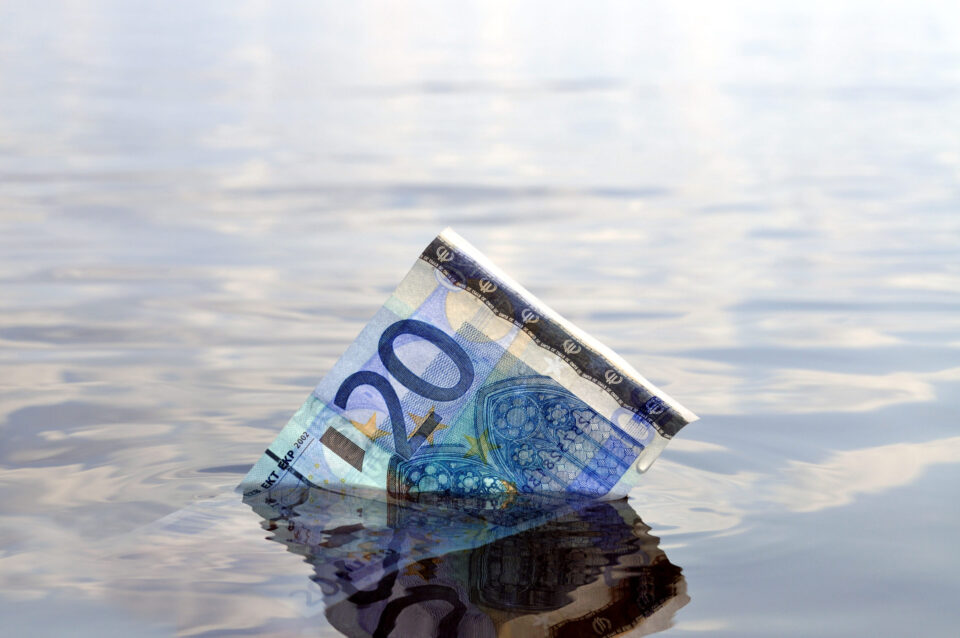
People and nations might perpetuate a bad investment because they look back at their past sunk costs. Instead they should compare future cost and benefit.

Through a behavioral economics lens, our reaction to a price relates to a frame or reference point that creates an association with a gain or a loss.

With implications that extend beyond sports, believers in classical economics and in behavioral economics are debating whether players can have streaks.

Explained by behavioral economics, we save relatively little for retirement because of intertemporal selfishness and seeing our future selves as strangers.

In behavioral economics, expectations bias studies on rats from Robert Rosenthal show how the small number of female CEOS is a self-fulfilling prophecy.

Behavioral economics explains that we sign up for health clubs and then don't exercise because of unrealistic pre-commitment and upfront payment.

Our everyday economic stories involve participation rates, human capital, signaling, ROI, money, price, austerity, personal income, monopoly and bubbles.










While everyone refers to the middle class and most of us say we are in the middle class, few know the characteristics of the group to which they refer.