

Continuing with our March e-links, I recommend a splendid book that moves the reader between humans and a very intelligent octopus.

To really grasp the impact of the trade disruption in the Red Sea, we need to move from the big numbers to tea.

Looking at the massive expanse of the earth's geologic time scale, scientists are debating how to include recent human activity.

To see the value of a vaccine, we can look at the past, present, and future, and at our health and our economy.

While college degrees tend to boost our income, a closer look reveals details that take us to the major, the school, and the geography.
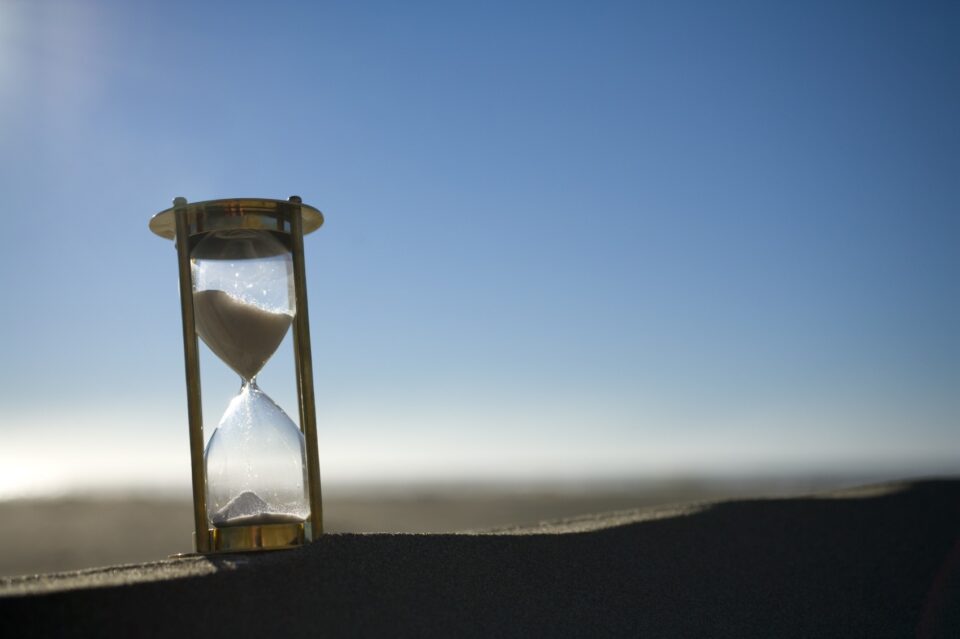
The value of time becomes very real when we decide how much money we are willing to spend to use less of it.
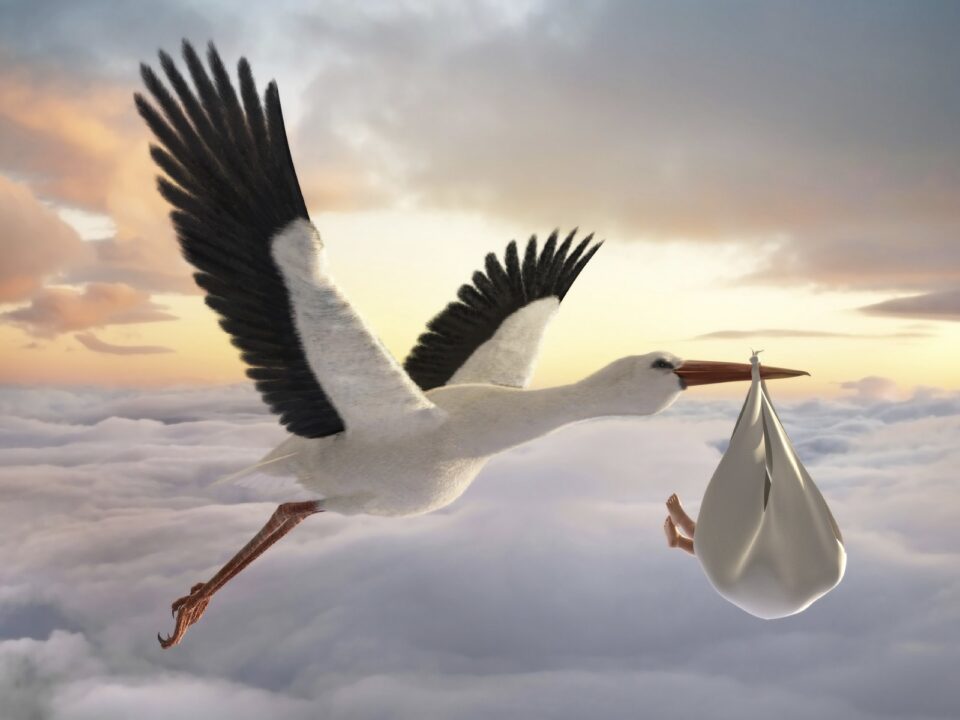
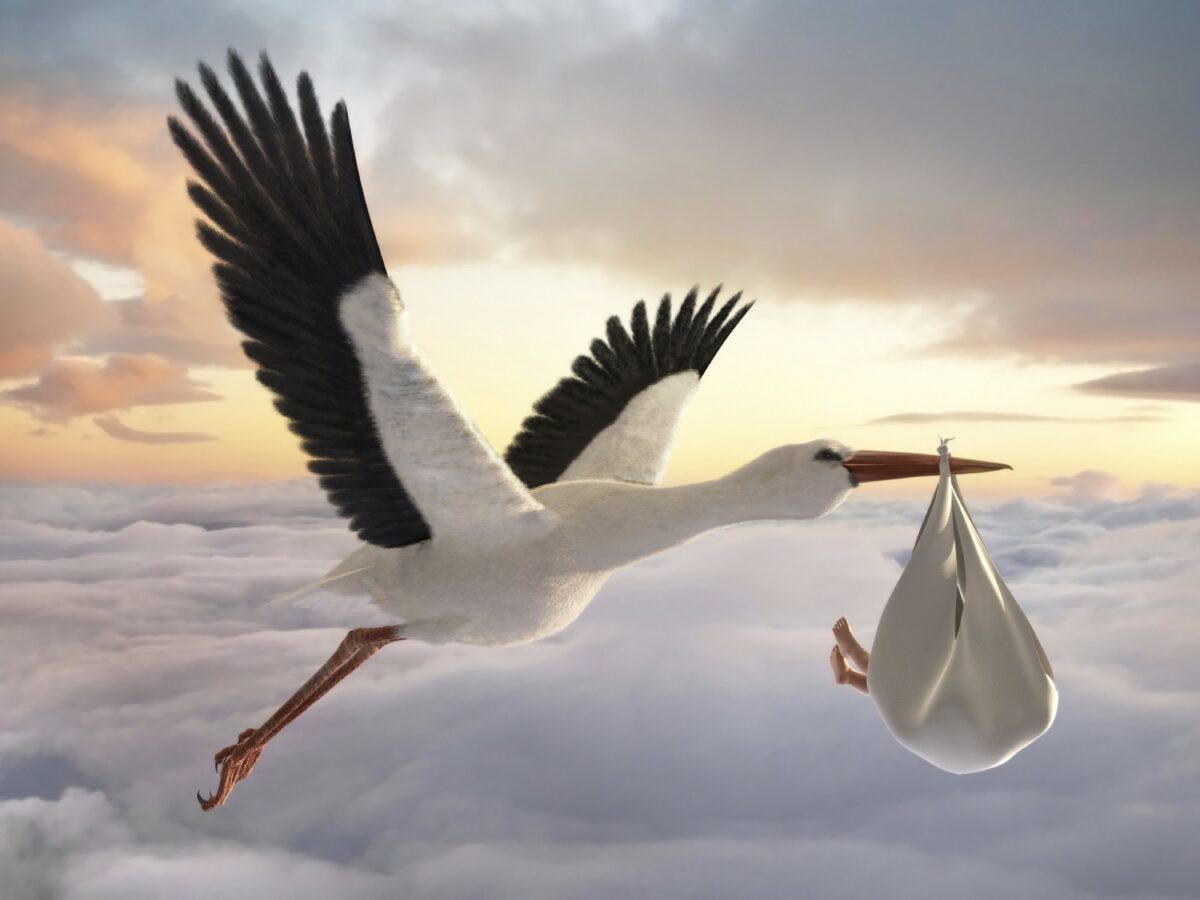
The financial "band-aid" approach of many nations has made the problem of low birth rates especially tough to solve.


Connecting economics, current events, and history, this week's economic news roundup ranges from baggage bins to helium balloons.
Initiating our March e-links, we start with two articles that describe how the best philanthropy has a beneficial spillover.