
Why We Should Worry About Social Security
November 5, 2026
A chef who worked for an Australian restaurant in Brisbane filed a complaint with Australia’s Fair Work Commission. Fired from his job, he said it was unreasonable–and an insult to his culture–to expect him to put pineapple and ham on pizza.
The Pineapple Pizza Debate
Our story starts in Canada during 1962. At his family’s Ontario restaurant, chef Sam Panopoulos wanted to enliven his traditional pancake and burger menu. Having recently visited Naples, he knew it had to be pizza. But the pizza needed something else. Experimenting, he added canned pineapple and sliced ham (or maybe bacon) for a sweet and salty topping. Calling it Hawaiian Pizza, the rest of the story is history.
Some say he had just created a classic dish. Others call it a culinary crime. In Italy, a pineapple ham pizza is an “abomination.” Meanwhile, elsewhere, the pineapple ham pizza is a menu staple.
Our Bottom Line: Complementary Goods and Services
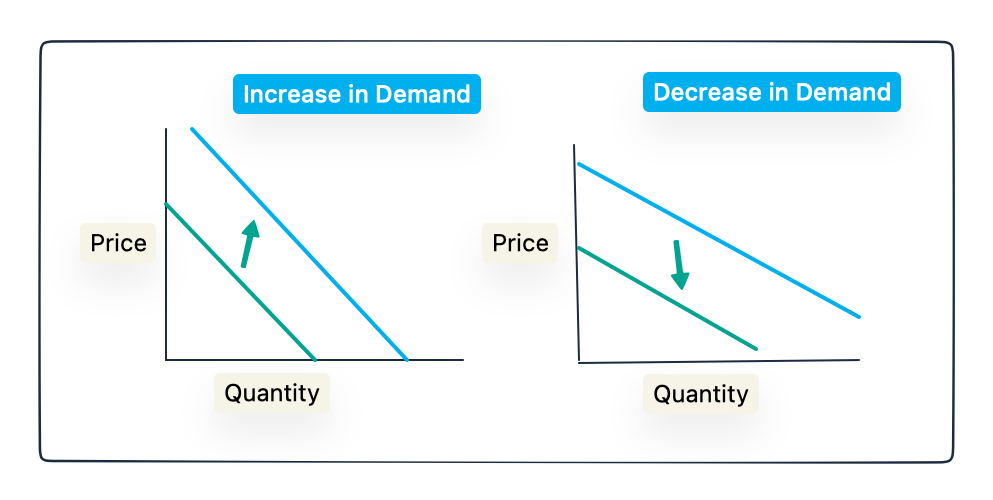
Included in a list of the determinants of demand, we have complementary goods and services. As the reasons that we move a demand curve to the right or left to illustrate an increase or decrease, the determinants of demand also include income, utility, substitutes, consumer expectations, and the number of buyers.
While countless everyday events shift our demand curves, a raise at work is one possibility. Taking home a larger paycheck could create an increase in demand. Correspondingly, the opposite would diminish our demand:
So, when we debate whether pineapple and ham can top a pizza, we are really asking if pineapple/ham and pizza are complementary goods. If we believe they are complements, then (rather like peanut butter and jelly) more pizza can elevate our demand for ham and pineapple.
My sources and more: Thanks to the BBC for inspiring today’s post. From there, we found more detail about the pineapple pizza debate here. You also might enjoy learning why a chef charged £100 for a slice of Hawaiian pizza.