

Back to Starbucks, Back to Our Brains
August 20, 2026
August 2026 Friday’s e-links: Why El Niño Will Be Historic
August 21, 2026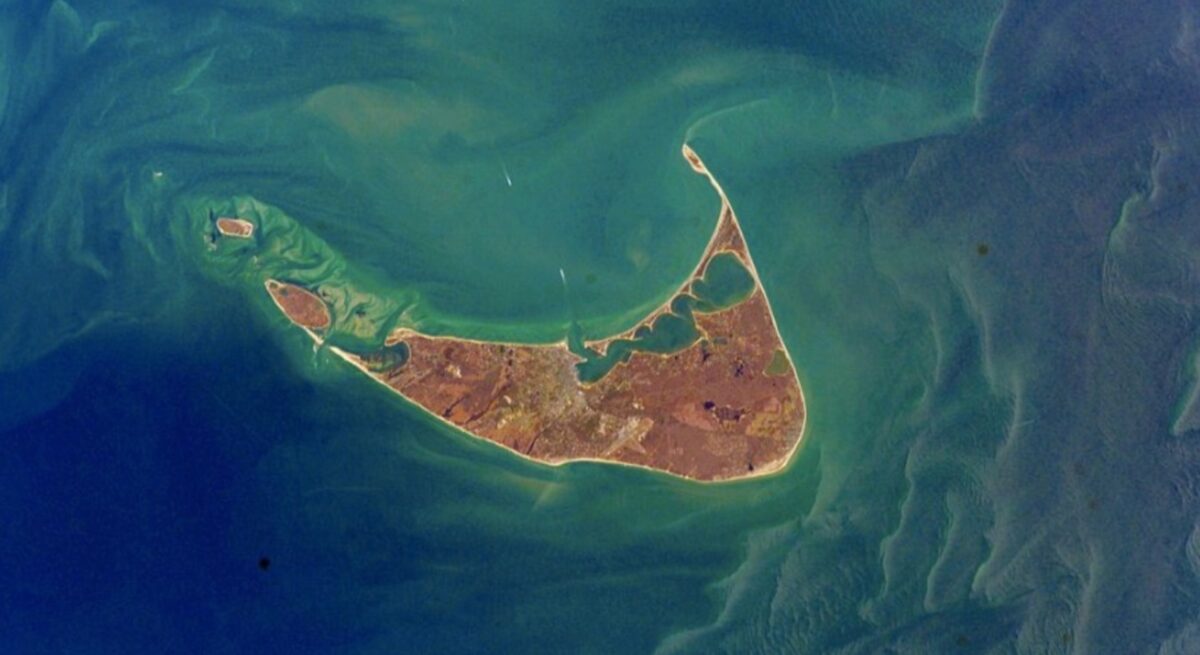
Minimizing the rules, we can make our streets safer.
It’s called “shared space.”
Safer Streets
Located 30 miles from the coast of Massachusetts, the island of Nantucket has no traffic lights. Instead, drivers respond to pedestrian crosswalks, rotary design, and courtesy. More often than not, if a walker or a biker needs to cross the street, cars stop, drivers smile, and street crossers wave thank you. When someone is making a left turn or leaving a parking lot on a busy street, cars stop.
Downtown Nantucket has no traffic lights:

Instead, everywhere, we have “shared space.”
Shared Space
It turns out that the Nantucket approach exists elsewhere. Called “shared space,” a no-rules environment has informal regulation and perhaps no sidewalks. Requiring interaction and “negotiation,” shared space streets make road users more aware of others.
The street designers who brought shared space to the Netherlands and the U.K. say that it civilizes us by encouraging human interaction. After traffic signals were eliminated in Drachten (the Netherlands), the accident rate plunged to one a year from more than eight. Others, elsewhere, who were introduced to the idea said they felt safer and drove more slowly. Researchers cited fewer conflicts as one possible reason for fewer crashes.
Do take a look to get a taste of my Nantucket experience:
As economists, “shared space” reminds us of Adam Smith’s laissez-faire.
Our Bottom Line: Laissez-Faire
In addition to self-interest and competition, laissez-faire is a characteristic of the market. A process rather than a place, the market depends on supply and demand. And, rather than government regulation, it needs laissez-faire. In his Wealth of Nations (1776), Adam Smith suggested that less government was better than more government. Smith believed that human nature was so diverse and policy consequences so unpredictable that, although imperfect, less government could ultimately lead to more virtuous human behavior. For example, when told their taxes will be increased to help the less fortunate, certain people express resentment. However, voluntarily giving an equal amount to charity, the same individuals experience pride and pleasure.
Similar to laissez-faire, fewer traffic rules in Nantucket encourage more virtuous behavior. Creating more appropriate incentives, fewer rules require thinking about others rather than what government wants us to do. They take each of us to a moral self-image that we can choose not to violate.
In Nantucket, we need virtuous drivers. Similarly, in a market, we need individuals who display integrity and honesty and observe the norms. We need the competition that can control undesirable behavior and create some equity. So yes, I prefer less government but recognize that we need regulatory oversight when market participants ignore the norms.
My sources and more: Today’s post updates the econlife thoughts I’ve expressed about Nantucket during past summers. Next, for more on Adam Smith, I recommend my most recent book, Economics: Everything You Need to Know To Master The Subject in One Book. Then, on “shared space,” there is a safety analysis in this paper. And finally, for even more, CNN and StreetsBlog USA and 99% Invisible are possibilities.
Please note also that our featured image displays Nantucket.