
When We Drift to the Left
July 20, 2026
Where To Make More Money
July 22, 2026
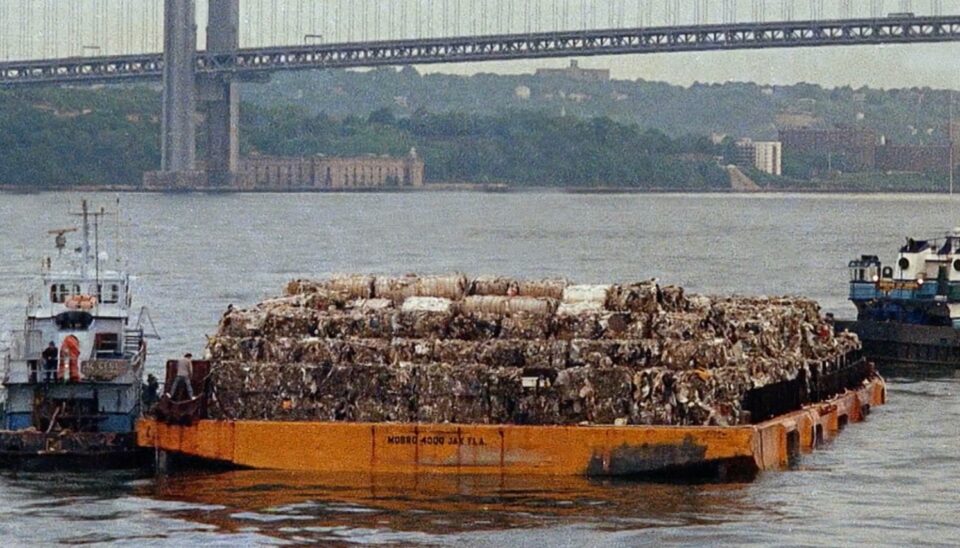
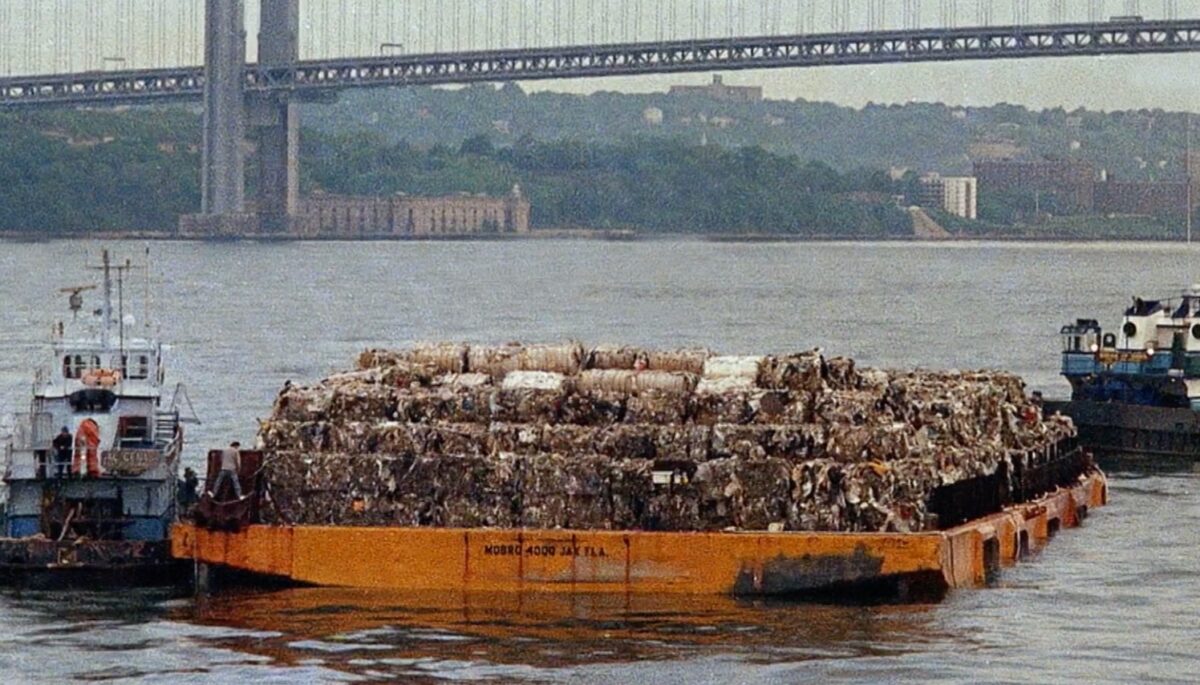
Before the container ship, t-shirts, flour, and bananas were packed in barrels or bags or crates. Transported by truckers to waterfront docks, countless commodities took days and even weeks to be loaded onto ships. Then, in 1956, Malcom McLean figured out how to rig an oil tanker with the cargo containers from his trucks. Having moved the cargo “boxes” to slots on a shipping vessel, McLean just needed to transfer them to trains and trucks when they arrived at their destination. Able to carry millions of t-shirts or sneakers, McLean’s containers shrunk each item’s shipping cost from dollars to pennies.
In addition, though, the shipping cost depends on the age and size of the vessel, the length of the voyage, and of course, the price of oil.
Container Ship Fuel Costs
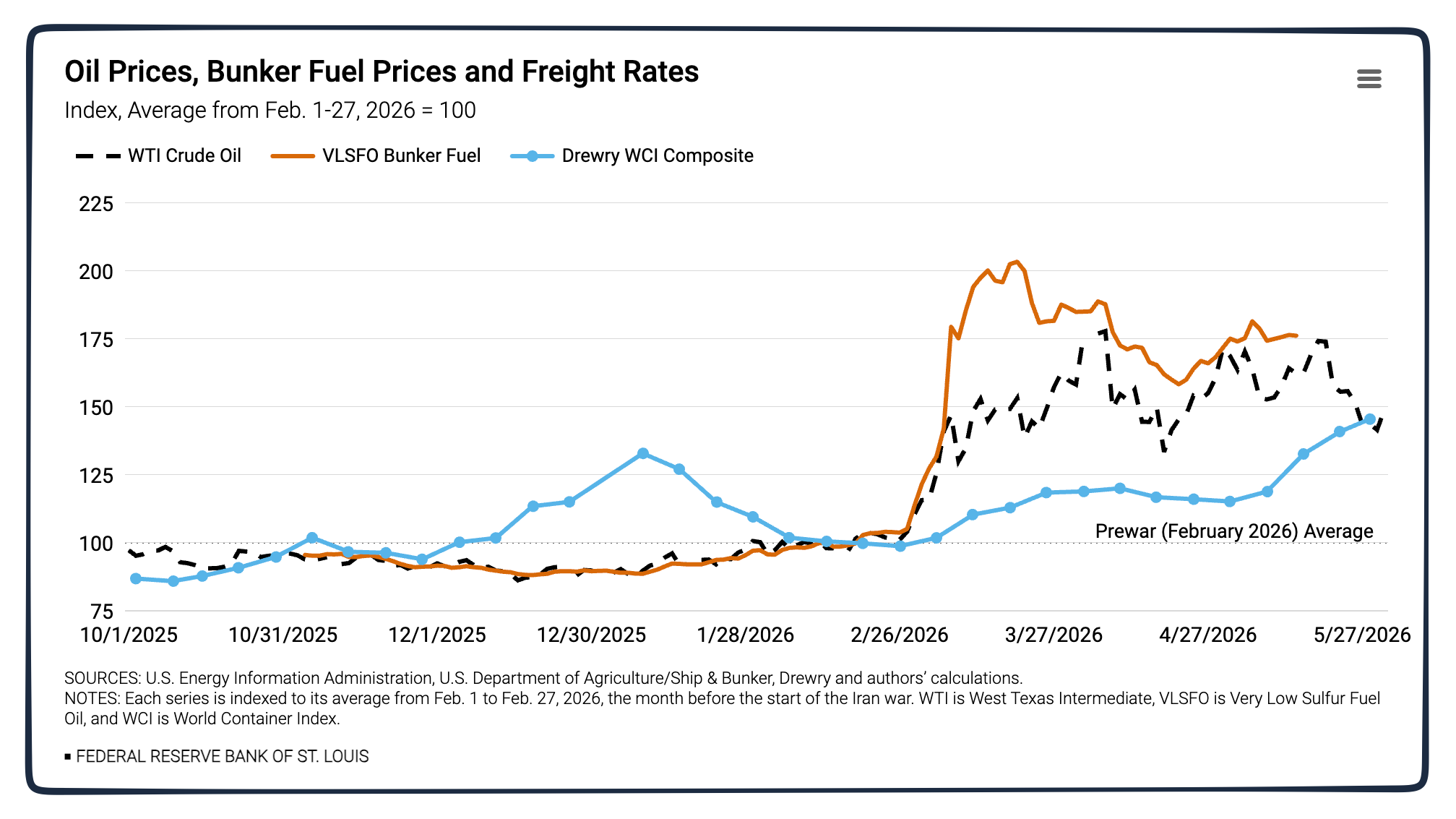
Below, we have WTI (West Texas Intermediate Crude), Bunker Fuel (the vessel’s “gas”), and the Drewry Index (a freight rate metric), increasing since February 2026 when the Iran War began:
The Formula
To understand shipping costs, we can start with a formula. (TEU refers to the standard 20-foot container, the Twenty Foot Equivalent Unit)
Fuel cost per TEU = Fuel consumption per TEU per day x Voyage days x Bunker fuel price.
Our goal? To better grasp fuel-related shipping costs.
Age and Fuel Cost
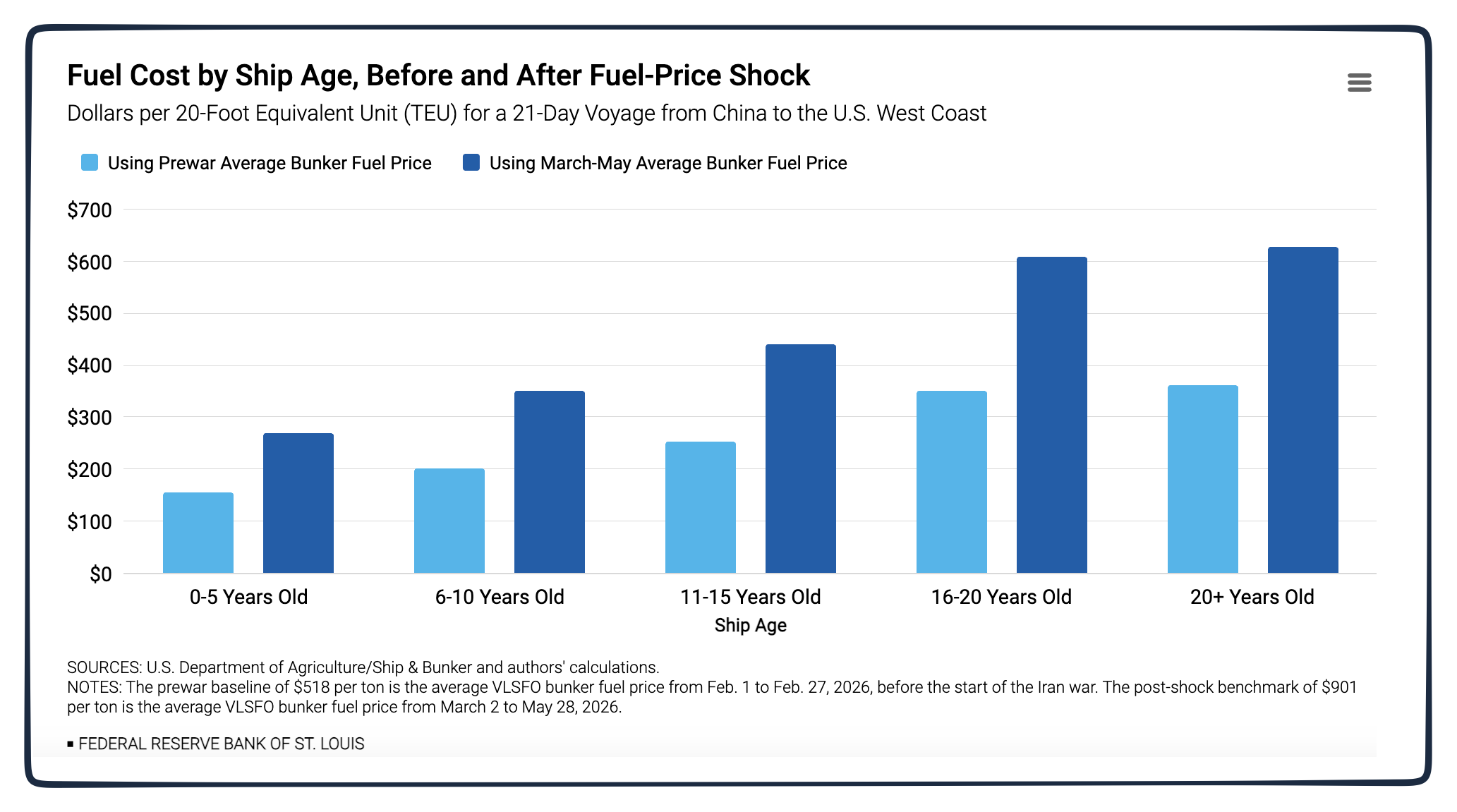
Because fuel efficiency depends on the age of a vessel, so too will shipping costs. Per TEU, a young vessel is $269 while the old one is $626:
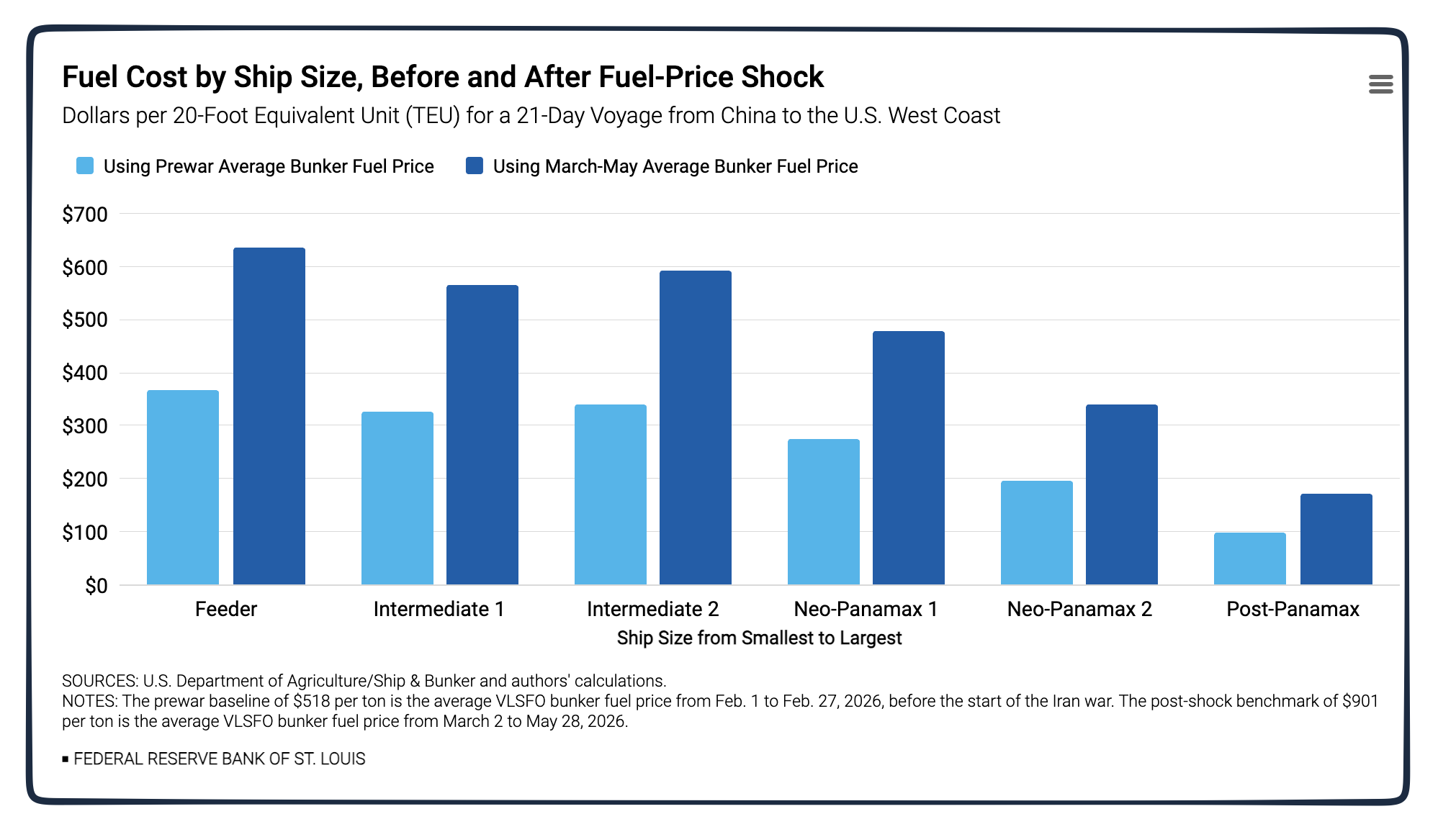
Ship Size and Fuel Cost
Again comparing costs per TEUs, the cheapest for the larger vessels is $171 while for the smallest, $635. As economists, we could say that by sharing the cost among more containers, the larger vessels enjoy economies of scale:
Voyage Length and Fuel Cost
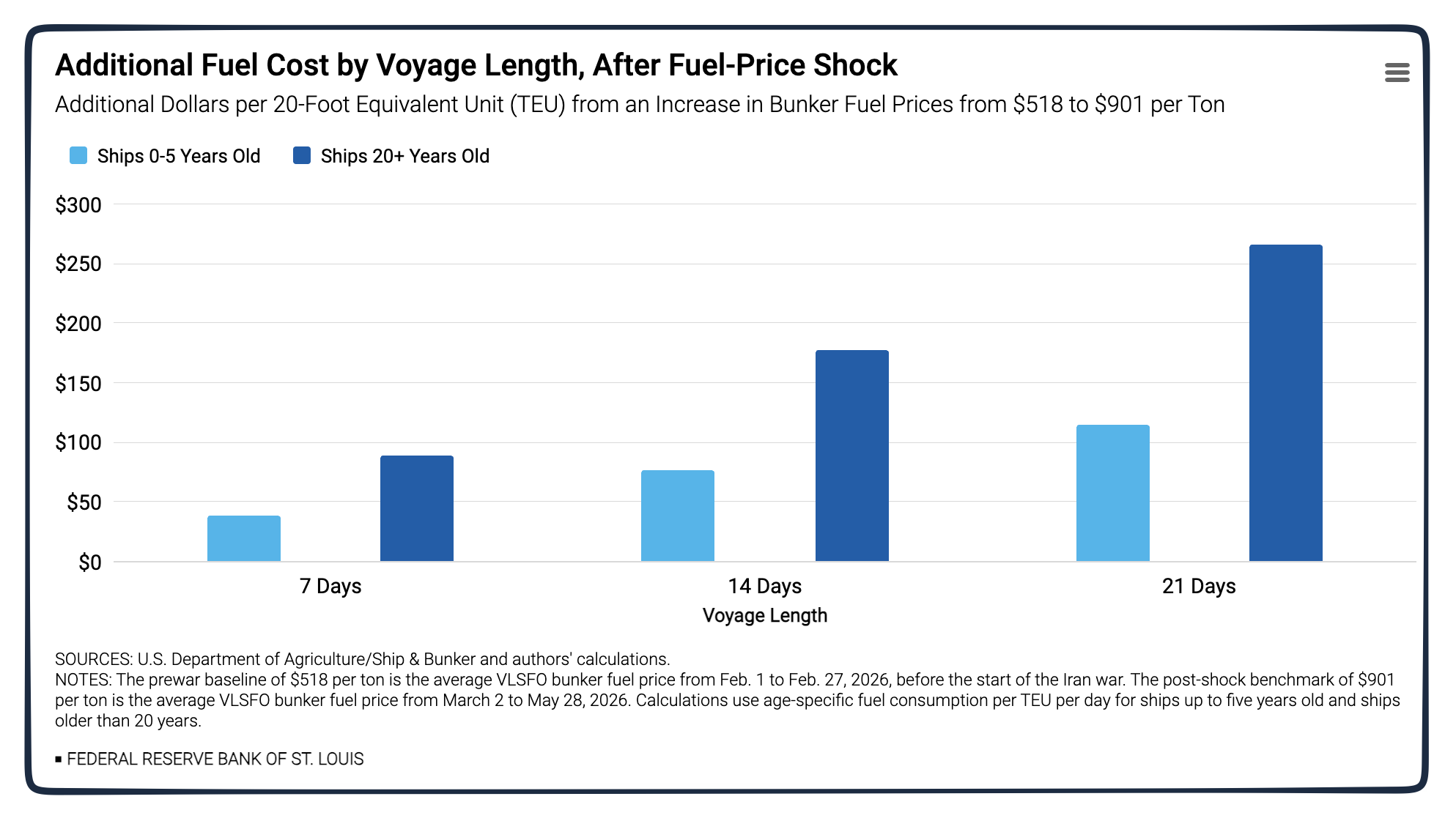
Here the Iran War could magnify our calculations when voyages were extended because the Strait of Hormuz closed:
Our Bottom Line: The British Coastline
Shown repeatedly in past econlife posts, looking more closely at our facts reveals new complexities.:
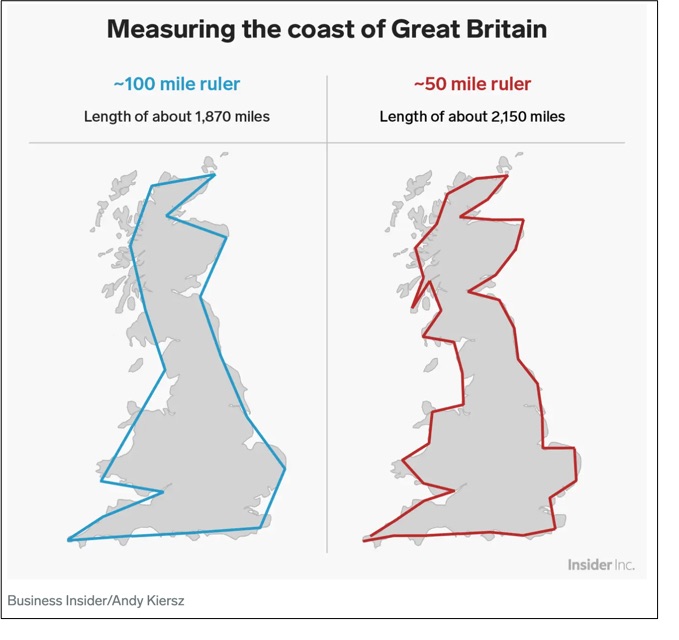
Indeed, while the container reduced costs, there is so much more to consider.
My sources and more: The St. Louis Fed does research that always comes in handy. Their July paper on oil prices and container shipping had facts that will especially impact our imports.